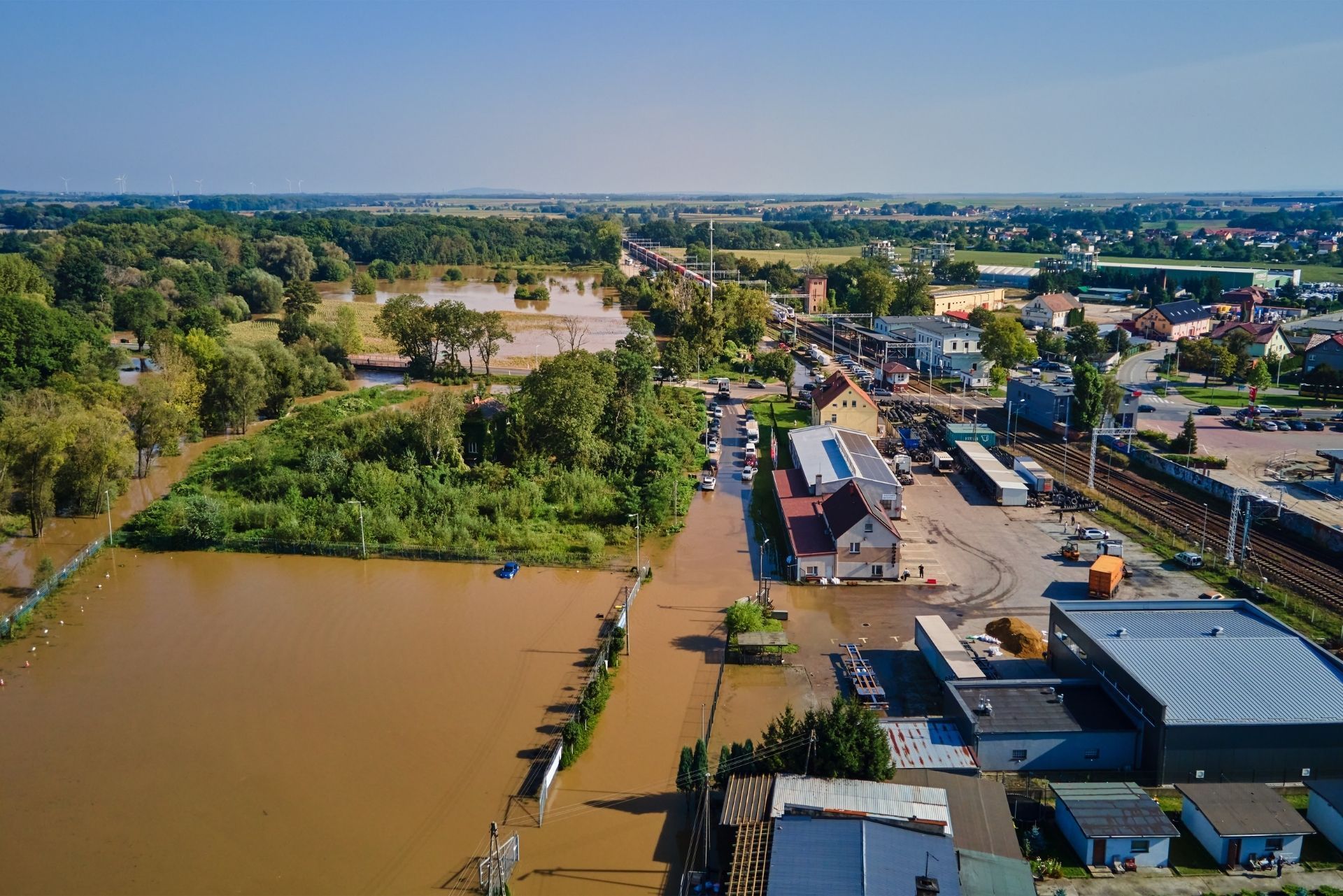
Flooding is more than just a coastal concern in Florida. While many associate flood risk with beachfront properties, recent events have shown that devastating floods can strike hundreds of miles inland. This reality is reshaping how businesses in Florida approach commercial flood insurance, a critical safeguard for protecting assets and operations. Understanding the nuances of flood risk, insurance market shifts, and legislative changes is essential for any Florida business owner.
In 2024, the National Flood Insurance Program (NFIP) paid out a staggering $629 million to Florida residents alone, which represented 69% of the total $913 million in NFIP payouts nationwide. This highlights the outsized flood exposure Florida faces compared to other states.
Insurify’s report underscores the urgency for commercial property owners to evaluate their flood insurance needs carefully.
Why Flood Insurance Matters for Florida Businesses
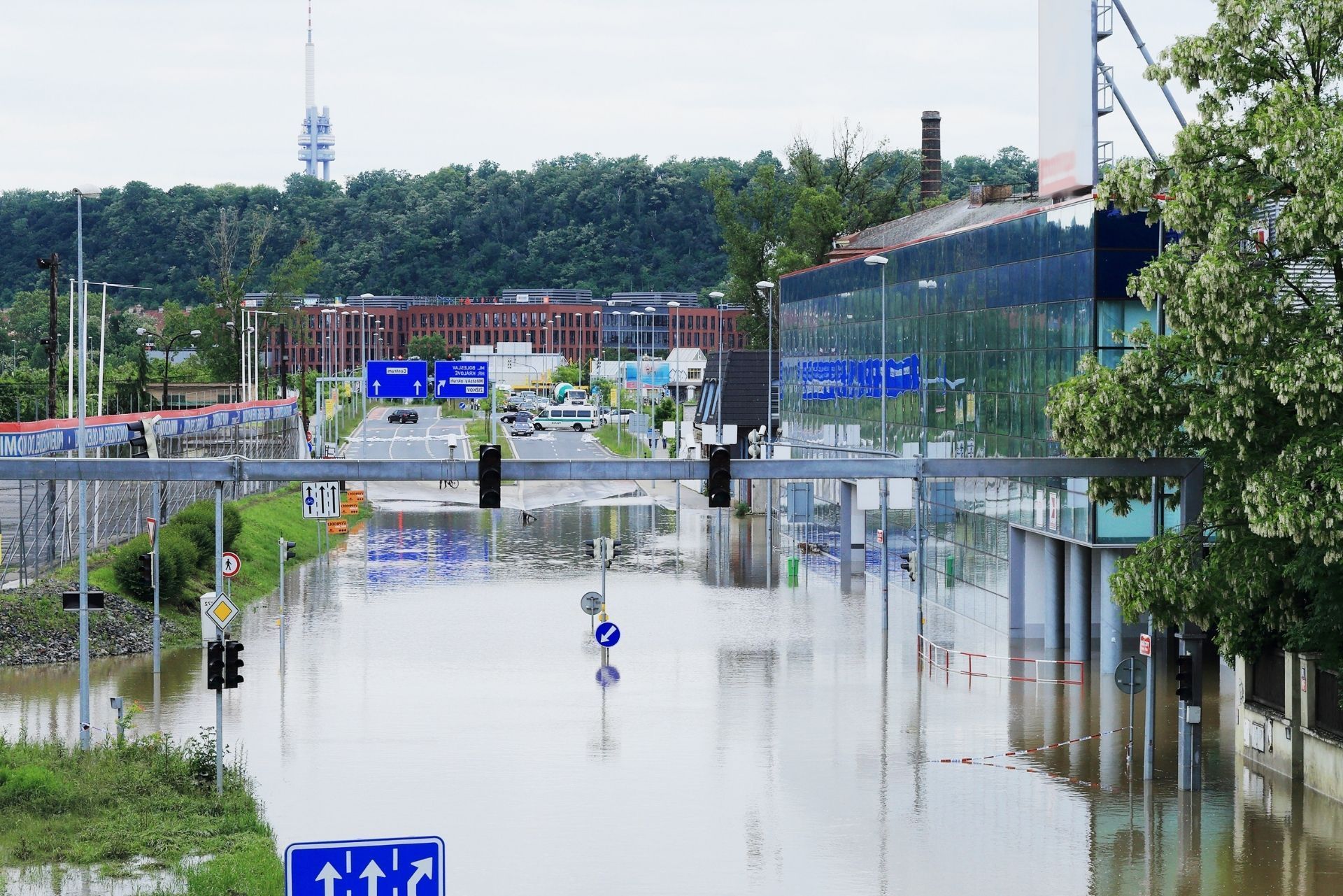
Flood damage can cripple a business, wiping out inventory, damaging equipment, and forcing prolonged closures. Unlike standard property insurance, flood insurance specifically covers losses caused by flooding, including rising waters, storm surges, and heavy rainfall. Given Florida’s unique geography and climate, flood risk is a constant threat.
What many business owners may not realize is that flood risk extends far beyond coastal areas. Susan Flemming, Executive Vice President at Amwins, points out that insurance carriers have long priced wind and surge risks near the coast but were caught off guard by catastrophic flooding occurring 500 miles inland. This unexpected exposure means that businesses in central and northern Florida should not assume they are safe from flood damage.
With only about 12% of Florida’s 9 million properties carrying flood insurance as of mid-2024, there is a significant coverage gap. Even though flood policies increased by 1.2% from June 2023 to June 2024, the majority of commercial properties remain uninsured against flood damage. This leaves many businesses vulnerable to potentially devastating financial losses. Claims Journal highlights this persistent shortfall in flood coverage.
The Cost of Flood Damage to Florida Businesses
Flooding costs Florida billions annually, with private insurers increasingly reluctant to cover the rising risks. The NFIP’s substantial payouts in 2024 reflect the frequency and severity of flood events impacting the state. For businesses, the financial consequences of flood damage often extend beyond physical repairs to include lost revenue and operational disruptions.
Studies show that natural buffers like mangroves significantly reduce storm surge losses. In Collier County alone, mangroves helped avoid $67.5 million in storm surge damages annually. During major hurricanes like Irma in 2017 and Ian in 2022, these natural barriers prevented losses estimated at $725 million and $4.1 billion respectively. This environmental insight emphasizes the importance of considering location and natural protections when assessing flood risk. Research from arXiv provides detailed analysis on this topic.
Moreover, the economic impact of flooding is not just limited to immediate losses. Businesses often face long-term repercussions, such as increased insurance premiums and diminished property values. A study by the National Oceanic and Atmospheric Administration (NOAA) indicates that businesses affected by flooding can experience a 20% drop in sales in the year following a flood event. This ripple effect can hinder growth and recovery, making it crucial for business owners to proactively address flood risk through insurance and mitigation strategies.
In addition to financial implications, the emotional toll on business owners and employees can be significant. The stress of managing a flooded business, dealing with insurance claims, and navigating the recovery process can lead to burnout and decreased morale. Community support and resources become vital during these challenging times, as local chambers of commerce and business associations often step in to provide assistance, networking opportunities, and recovery resources to help businesses bounce back from disaster.

By: Montreal Morand
Founder & Managing Partner
Macpherson Insurance Agency
Florida’s Commercial Flood Insurance Market: Challenges and Changes
The insurance market in Florida has undergone dramatic shifts over the past decade. A 2025 analysis by Deep Sky Research found that Florida’s home insurance market contracted by 78%, with many private insurers exiting the market due to escalating climate risks. This retreat has left Citizens Property Insurance Corporation as the dominant provider, increasing its market share from 6% to 63%. Although this data focuses on home insurance, the trend similarly affects commercial flood insurance availability and pricing.
Private carriers’ withdrawal means fewer options and often higher premiums for business owners. The increased reliance on government-backed programs like the NFIP places additional strain on these systems, which are already grappling with record claims and payouts. As businesses face the dual challenge of rising costs and limited coverage options, many are left to navigate a complex landscape where securing adequate flood protection becomes increasingly difficult. This situation is particularly dire for small to medium-sized enterprises that may not have the financial flexibility to absorb steep premium hikes or the resources to invest in comprehensive risk mitigation strategies.
Legislative Efforts to Ease the Burden
Recognizing these challenges, the Florida Senate passed House Bill 7073 in March 2024. This legislation aims to reduce property insurance premiums by over $500 million statewide and offers a one-year premium tax relief on flood insurance policies. For commercial property owners, this could translate into more affordable flood insurance options and some financial relief amid rising costs. The bill also encourages insurers to innovate and develop new products tailored to the unique risks faced by Florida businesses, potentially fostering a more competitive market environment.
However, premium reductions alone may not be enough to close the flood insurance gap. Businesses must also consider how evolving risks, such as back-to-back hurricanes and inland flooding, impact their insurance needs. Moody’s Ratings Senior Analyst Denise Rappmund warns that consecutive storms like Hurricanes Helene and Milton increase the likelihood of significant claims, especially in densely populated west-central Florida. This scenario underscores the importance of proactive flood risk management. Companies are urged to invest in flood resilience measures, such as elevating structures, implementing better drainage systems, and utilizing flood-resistant materials. Furthermore, engaging in community planning and local government initiatives can enhance overall preparedness and response strategies, ultimately leading to a more resilient business landscape.
Reinsurance News provides further insights on this risk.
How Flood Insurance Premiums Are Calculated and What Businesses Should Know
Flood insurance premiums are influenced by multiple factors, including property location, elevation, building construction, and historical flood data. Recently, a 2024 study introduced an Adaptive Robust Optimization framework for catastrophe insurance premiums. This model adapts to different natural disaster scenarios and aims to balance adequate coverage with financial sustainability for insurers. Such innovations could lead to more accurate and fair pricing for commercial flood insurance in the future. This is particularly important in areas that have experienced significant climate changes, where traditional models may not adequately predict risks. As the frequency and intensity of flooding events increase, the need for adaptive models that can respond to evolving environmental conditions becomes even more critical.
For now, business owners should understand that premiums reflect both the likelihood of flood events and the potential severity of losses. Properties closer to flood zones or with previous claims typically face higher rates. Elevating buildings or implementing flood mitigation measures can sometimes reduce premiums, but these options vary by insurer. Additionally, businesses should be aware of the Federal Emergency Management Agency (FEMA) flood maps, which are regularly updated to reflect changing flood risks. Staying informed about these changes can help businesses make proactive decisions regarding their insurance needs and risk management strategies.
Balancing Coverage and Cost
Choosing the right flood insurance policy means weighing coverage limits, deductibles, and exclusions. Commercial flood insurance typically covers physical damage to buildings and contents but may not cover business interruption unless specifically added. Understanding the scope of coverage is crucial to avoid surprises after a flood event. Furthermore, businesses should consider the implications of local regulations and building codes, which can affect both insurance requirements and potential recovery options in the event of a disaster. Engaging with local disaster preparedness initiatives can also provide insights into community-level risks and available resources.
Given the complexity, consulting with an insurance professional who understands Florida’s flood risk landscape is invaluable. They can help tailor policies to specific business needs and identify potential discounts or mitigation strategies. Moreover, businesses should regularly review their insurance policies, especially after significant changes in operations, property modifications, or shifts in the local environment. This proactive approach not only ensures that coverage remains adequate but also helps in recognizing opportunities for cost savings through risk reduction measures. By staying engaged with both their insurance provider and the broader community, business owners can better navigate the intricacies of flood insurance and enhance their resilience against future flooding events.
Natural Defenses and Flood Risk Mitigation for Businesses
Florida’s natural environment plays a key role in flood risk management. Mangroves, wetlands, and other coastal ecosystems provide buffers against storm surges and flooding. Businesses located near these natural defenses may benefit from reduced risk and potentially lower insurance premiums. These ecosystems not only absorb excess rainwater but also filter pollutants, enhancing water quality and promoting biodiversity. The presence of healthy mangrove forests and wetlands can also attract tourism and recreational activities, providing additional economic opportunities for local businesses.
Investing in flood mitigation infrastructure, such as flood barriers, improved drainage, and elevation of critical equipment, can also reduce vulnerability. These measures not only protect assets but may improve insurance terms. Furthermore, incorporating green infrastructure, such as permeable pavements and rain gardens, can enhance stormwater management while contributing to the aesthetic appeal of business premises. By adopting a proactive approach to flood risk, businesses can demonstrate their commitment to sustainability, potentially attracting environmentally conscious consumers and investors.
Community and Government Initiatives
Local governments in Florida are increasingly promoting flood resilience through zoning laws, building codes, and environmental conservation. Staying informed about these initiatives can help businesses align their risk management strategies with broader community efforts. Additionally, many municipalities offer grants and incentives for businesses that implement flood mitigation measures, making it more financially feasible to invest in protective infrastructure. Collaborating with local agencies can also provide businesses with valuable resources and technical support, fostering a sense of community and shared responsibility in addressing flood risks.
Moreover, community engagement plays a vital role in enhancing flood resilience. Businesses can participate in local workshops and forums to discuss flood preparedness and share best practices. By building relationships with neighboring businesses and local stakeholders, companies can create a network of support that enhances collective resilience. This collaborative approach not only strengthens individual businesses but also contributes to the overall safety and sustainability of the community, ensuring that everyone is better prepared for future flood events.
Frequently Asked Questions About Florida Commercial Flood Insurance
Q: Is flood insurance required for all commercial properties in Florida?
A: Flood insurance is not mandatory for all commercial properties, but it is often required by lenders if the property is in a high-risk flood zone. Properties located in areas designated as Special Flood Hazard Areas (SFHAs) are particularly scrutinized, as these zones have a higher likelihood of flooding. Even if your property is not in a high-risk area, it is wise to consider flood insurance, as flooding can occur in unexpected places due to heavy rainfall or storms.
Q: How can I find out if my property is in a flood zone?
A: The Federal Emergency Management Agency (FEMA) provides flood maps that show flood risk areas. Your insurance agent can also help assess your property’s flood risk. Additionally, local government offices often have resources and staff who can assist in determining flood zone status. It's important to stay informed, as flood zone designations can change over time based on new data and environmental factors.
Q: Does commercial flood insurance cover business interruption?
Typically, flood insurance covers physical damage to property and contents. Business interruption coverage usually requires a separate policy or endorsement. This type of coverage can be crucial for businesses that rely on continuous operations, as it helps cover lost income during the time the business is unable to operate due to flood damage. Understanding the nuances of your policy can help ensure you have the right protections in place.
Q: Can I get flood insurance if my property has flooded before?
Yes, but premiums may be higher. Some insurers may require mitigation measures before issuing a policy. This could include elevating the property, installing flood vents, or other improvements that reduce the risk of future flooding. It's essential to communicate your property's history with your insurance provider, as they can guide you on the best steps to take for obtaining coverage.
Q: Are there any discounts available for flood insurance?
Discounts may be available for properties with flood mitigation features or those located in lower-risk areas. It’s best to discuss options with your insurance provider. Some programs, such as the National Flood Insurance Program (NFIP), offer premium reductions for properties that participate in community floodplain management practices. Taking proactive steps to reduce flood risk can not only save you money but also enhance the safety and resilience of your property.
Q: How often should I review my flood insurance policy?
Review your policy annually or after any significant changes to your property or flood risk to ensure adequate coverage. Changes in local development, climate patterns, or even your business operations can affect your flood risk. Additionally, if you make improvements to your property—such as renovations or expansions—updating your policy is crucial to ensure that your coverage reflects the current value and risk associated with your property.
What to Remember About Florida Commercial Flood Insurance
Flood risk in Florida is complex and evolving. Businesses must look beyond traditional coastal flood concerns to include inland flooding and changing weather patterns. With only a small fraction of properties currently insured against flood damage, there is a clear need for greater awareness and proactive risk management.
Legislative efforts like House Bill 7073 offer some relief on premiums, but understanding your specific flood exposure and insurance options remains critical. Natural defenses such as mangroves provide valuable protection, but they are only part of a comprehensive flood risk strategy.
Choosing the right commercial flood insurance policy involves balancing coverage needs with cost considerations. Consulting knowledgeable insurance professionals and staying informed about market changes will help Florida businesses safeguard their assets and operations against the growing threat of floods.
For more detailed insights into Florida’s flood insurance landscape and market dynamics, explore Deep Sky Research’s 2025 market analysis and
Insurance Business America’s expert commentary.
ABOUT THE AUTHOR:
MONTREAL MORAND
With over 20 years of leadership experience in the insurance industry, I’ve dedicated my career to helping clients and agents make informed, confident decisions about their coverage. I’ve led high-performing teams, managed more than $128 million in premium, and earned multiple national awards for excellence. Today, my mission remains the same — to educate, empower, and provide dependable protection for the communities we serve.
Contact Us
Protect the Things That Matter Most
Reliable Coverage for Your Home & Lifestyle
Home Insurance
Protect your home, belongings, and personal liability with reliable coverage.
Stronger Coverage for Your Operations
Essential Protection for Your Company
Coverage built for businesses that depend on people, property, and equipment.
Industries We Support
Insurance for Everyday Local Businesses
Simple, reliable protection for the people who keep our communities running.
Plumbers
Plumbers Insurance
Protection for job-site hazards, tools, and customer property.
Restaurants
Restaurants Insurance
Coverage for fire risks, food inventory, and general liability.
HVAC Contractors
HVAC Contractors Insurance
Insurance for service vehicles, equipment, and installation risks.




Frequently Asked Questions
Helpful Answers to Common Questions
Quick guidance to help you understand your coverage.
What types of insurance does Macpherson Insurance Agency offer?
We provide both personal and commercial insurance solutions. On the personal side: homeowners, automobile, condo, renters, windstorm, flood, excess flood, and more. On the commercial side: general liability, property, inland marine, ocean marine, workers compensation, and more.
Do you specialize in homeowners insurance in South Florida?
Yes. We specialize in homeowners coverage in South Florida and work with multiple carriers based on your property’s age, location and replacement cost.
What does “replacement cost” mean in a policy?
Replacement cost is the cost to rebuild your home to the same standard it had before a loss — not the market value of your property.
Why is it important that my insurer is licensed in Florida?
Licensed Florida insurers are continuously monitored for financial stability — if one fails, the Florida Insurance Guaranty Fund may reimburse insureds for unpaid claims up to a limit.
Can I lower my homeowners premium with discounts?
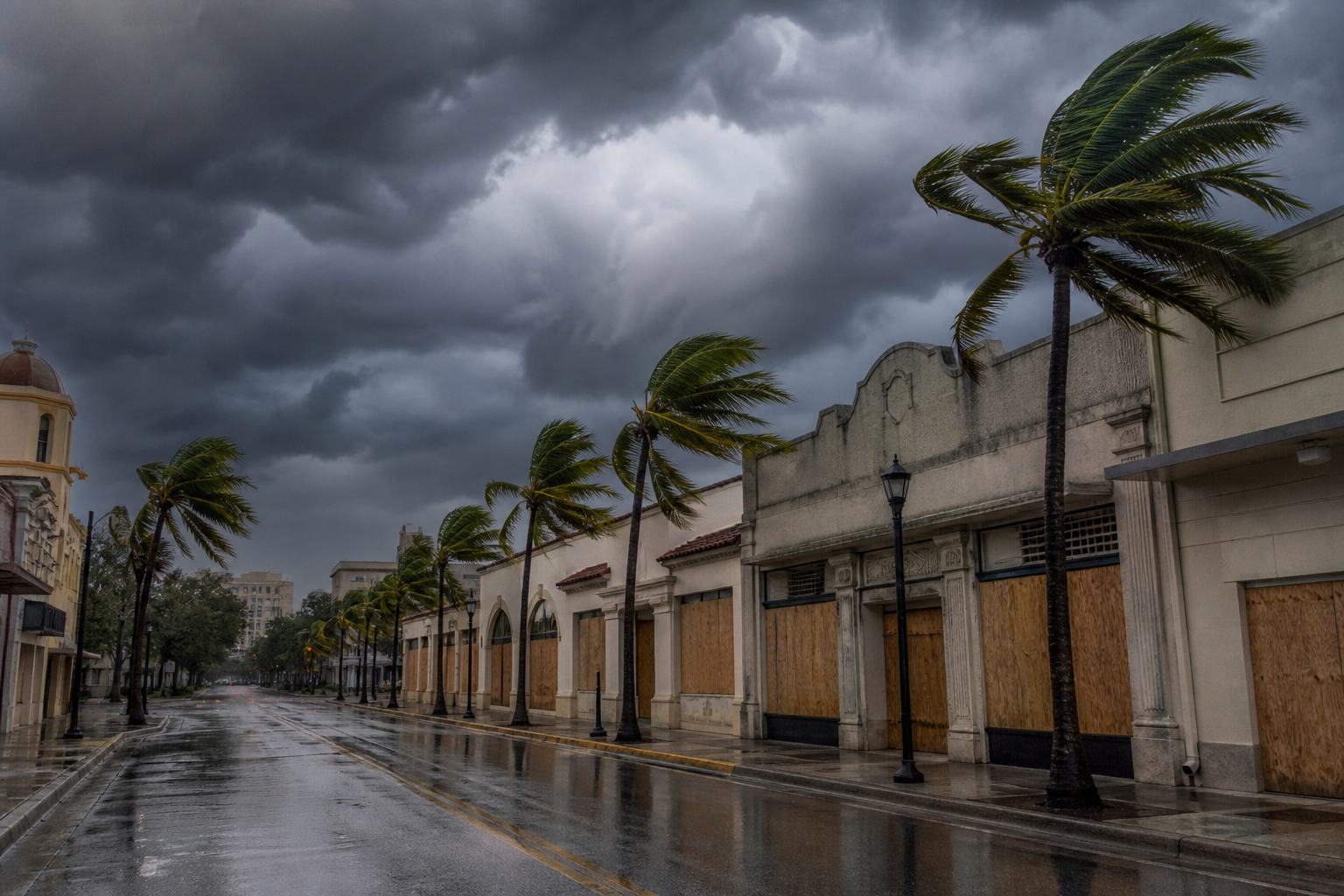
Yes — mitigation features like impact glass, storm shutters, roof straps, and approved sheathing may qualify you for significant credit reductions.
Do you offer payment plans or premium financing?
Yes. In many cases, payment plans and premium financing are available to make coverage more affordable and manageable over time.
From the Blog
Helpful Tips & Insurance Guidance
Articles created to make insurance easier to understand.









Contact Us
Phone
Location