Building a home or commercial property in Florida comes with unique challenges, especially when it comes to managing risks during construction. From unpredictable weather to fluctuating insurance markets, protecting a project before it is completed requires careful planning and the right coverage. Builders risk insurance is designed specifically to safeguard construction projects, and understanding its role is more important than ever in Florida’s shifting insurance landscape.
Florida’s home insurance market has faced dramatic changes recently. Between 2014 and 2024, the number of active home insurance policies in the state dropped by 78%, falling from 3.2 million to just 710,000. This steep decline reflects broader financial pressures linked to climate risks and market instability. For builders and developers, navigating these challenges means securing insurance that covers not only finished homes but also projects still underway. Deep Sky Research highlights how this crisis serves as an early warning of climate catastrophe impacting Florida’s financial systems.
What Is Builders Risk Insurance?
Builders risk insurance is a specialized policy that protects buildings and structures while they are under construction. Unlike standard homeowners insurance, which applies after a project is complete, builders risk covers materials, equipment, and the physical structure during the building phase. This coverage typically includes damage from fire, storms, vandalism, theft, and other unforeseen events that could delay or derail construction.
In Florida, where storms and hurricanes are a constant threat, builders risk insurance is essential. It helps mitigate financial losses caused by weather-related damage, which can be costly and time-consuming to repair. Given the state’s volatile insurance market, having builders risk coverage can also make a project more attractive to lenders and investors, who want assurance that their capital is protected. Additionally, this type of insurance can cover soft costs associated with delays, such as lost rental income or additional financing costs, further safeguarding the financial interests of all parties involved.
Moreover, builders risk insurance is not a one-size-fits-all policy. It can be tailored to meet the specific needs of a project, whether it's a single-family home or a large commercial complex. Coverage limits, policy duration, and specific exclusions can all be adjusted based on the unique risks associated with the construction site and the materials used. This flexibility allows builders and developers to ensure they have adequate protection throughout the construction process, adapting to any changes in scope or unexpected challenges that may arise.
Who Needs Builders Risk Insurance?
Builders risk insurance is usually purchased by property owners, general contractors, and sometimes subcontractors involved in the construction process. Anyone responsible for the physical structure during construction should consider this coverage. This includes residential homebuilders, commercial developers, and even those managing renovation projects that significantly alter a building.
With Florida’s property insurance market shrinking dramatically, builders risk insurance has become even more critical. The Citizens Property Insurance Corporation, Florida’s insurer of last resort, saw its market share rise from 6% to 63% over the past decade as private insurers pulled back. This shift has pushed builders to seek more reliable risk management solutions to avoid gaps in coverage. Deep Sky Research reports that Citizens’ policy count recently dropped below 1 million as some private insurers cautiously re-enter the market, but the overall environment remains challenging. Furthermore, as construction projects become increasingly complex and multifaceted, the need for comprehensive coverage that addresses a wide range of potential risks has never been more apparent. Builders must navigate not only the physical risks associated with construction but also regulatory changes and environmental concerns, making builders risk insurance a vital component of any construction strategy.


By: Montreal Morand
Founder & Managing Partner
Macpherson Insurance Agency
Key Benefits of Builders Risk Insurance in Florida
Builders risk insurance offers several advantages that are particularly relevant in Florida’s construction sector. Understanding these benefits can help builders and property owners make informed decisions about protecting their investments.
Protection Against Weather-Related Damage
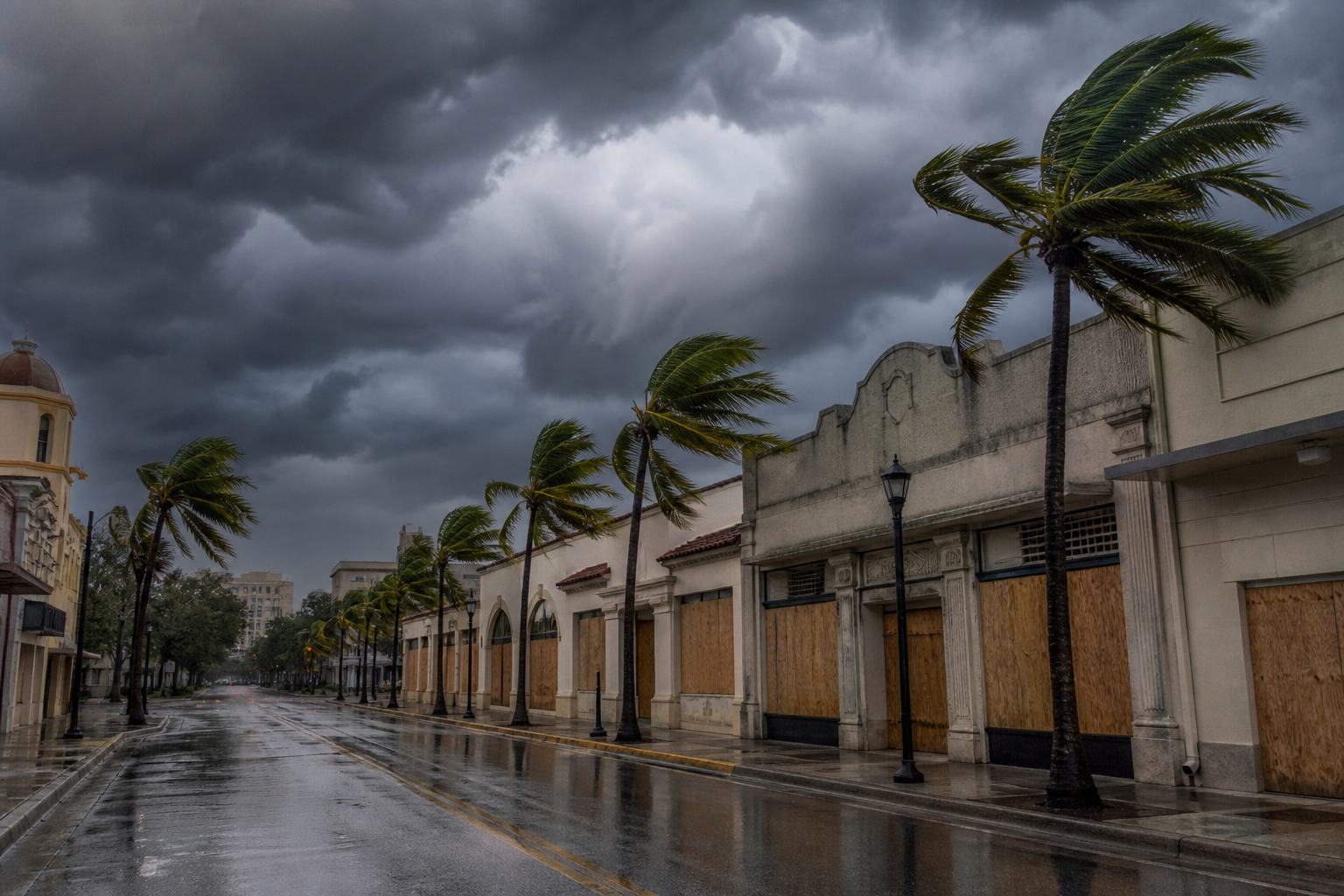
Florida’s climate exposes construction sites to hurricanes, tropical storms, flooding, and high winds. These events can cause extensive damage to unfinished structures and building materials. Builders risk insurance typically covers losses from such perils, reducing the financial impact of repairs and delays.
Research shows that natural barriers like mangroves reduce storm surge losses by $67.5 million annually in Collier County alone, emphasizing how environmental factors influence property risk. A recent study highlights the value of natural protections but also underscores the need for insurance to cover residual risks that nature cannot fully mitigate. Furthermore, the rapid pace of climate change has made it increasingly important for builders to stay ahead of potential weather-related challenges, ensuring that their projects are not only resilient but also compliant with the latest safety regulations.
Coverage for Materials and Equipment
Builders risk insurance protects not only the structure but also materials and equipment on-site. Theft and vandalism are common risks on construction sites, and replacing stolen or damaged supplies can delay projects and increase costs. This coverage ensures that losses related to materials in transit or stored at the site are included.
Additionally, the insurance can cover losses due to accidental damage during the construction process, which is particularly beneficial in a bustling state like Florida, where construction activity is often high. With the potential for costly delays, having a safety net in the form of builders risk insurance allows contractors to focus on completing projects efficiently without the constant worry of unexpected financial burdens arising from damaged or missing materials.
Compliance and Financial Viability
Insurance requirements are evolving alongside building codes and climate realities. Builders are now constructing with insurance viability in mind, focusing on compliance and long-term sustainability. Naimish Patel, President of Personal Lines at MSI, explains that builders are “building for compliance, for insurance viability, and for long-term sustainability.” This approach is reshaping how projects are insured and managed in Florida.
Moreover, as Florida continues to experience rapid urban development, builders are increasingly required to demonstrate that their projects adhere to stringent safety and environmental standards. This shift not only helps in securing necessary permits but also enhances the overall marketability of the properties being developed. By integrating builders risk insurance into their project planning, developers can showcase their commitment to responsible construction practices, which can be a significant selling point in today’s environmentally conscious market.
How Builders Risk Insurance Works in Practice
Understanding the mechanics of builders risk insurance helps clarify what is covered and how claims are handled during construction.
Policy Duration and Extensions
Builders risk policies usually cover the project from the start of construction until completion or occupancy. The typical term ranges from six months to one year but can be extended if construction takes longer. Extensions often require additional premiums and documentation. It's crucial for builders and contractors to anticipate potential delays, which can be caused by various factors such as inclement weather, supply chain disruptions, or unforeseen site conditions. By planning for these possibilities, they can secure the necessary extensions to maintain coverage throughout the project lifecycle.
Types of Coverage
Coverage can vary widely but generally includes:
- Physical damage to the building under construction
- Materials and supplies on-site, in transit, or at temporary storage
- Soft costs such as additional expenses due to delays
- Optional coverage for equipment breakdown or testing
It is important to review policy details carefully to ensure all potential risks are addressed. Builders risk insurance is customizable, allowing coverage limits and perils to be tailored to the specific project. For instance, in urban areas where theft and vandalism are more prevalent, additional coverage for theft may be recommended. Similarly, projects involving specialized materials or techniques may benefit from endorsements that cover unique risks associated with those elements, ensuring comprehensive protection throughout the construction process.
Claims and Deductibles
When damage occurs, claims are filed through the insurance provider, and the deductible amount applies. Deductibles vary by policy and may depend on the type of loss or the cause. Prompt reporting and thorough documentation of damage are critical to a smooth claims process. Builders should maintain detailed records of the construction progress, including photographs and receipts, as this documentation can significantly expedite the claims evaluation. Additionally, understanding the timeline for claims processing and the insurer's requirements can help mitigate delays in receiving compensation, allowing projects to resume as quickly as possible without significant financial strain.
Florida’s Construction Market and Insurance Trends
The construction industry in Florida is responding to insurance challenges with strategic shifts in building practices and insurance purchasing.
Rising Builder’s Risk Insurance Demand
Builder’s risk insurance covered 89% of U.S. construction projects in 2025, up 4% from the previous year. Premiums increased by 12% due to material inflation and climate-related events. Florida, with its heightened exposure to storms and insurance market volatility, is a significant contributor to this trend. Industry reports confirm that builders are investing more in risk management to protect projects and control costs. This shift is not merely a reaction to rising premiums; it reflects a broader understanding of the importance of comprehensive risk assessment throughout the construction process. Builders are now more proactive, engaging in thorough evaluations of potential hazards and implementing innovative solutions to mitigate risks before they arise.
Shift Toward New Construction
Insurance costs on older homes have driven buyers toward new construction. In Niceville, Florida, 300 new homes were built between January and August 2025 as buyers sought to avoid escalating insurance premiums on existing properties. Local agents report that new builds often come with modern construction standards that improve insurability and reduce risk. Additionally, the trend toward new construction is also fueled by advancements in technology and design, allowing for more energy-efficient homes that not only lower utility costs but also enhance overall property value. Buyers are increasingly favoring features such as smart home technology and sustainable materials, which are seen as long-term investments that can further mitigate insurance costs.
Building for Sustainability and Insurance Compliance
Builders now incorporate insurance considerations into design and construction. This includes using materials and methods that withstand Florida’s climate challenges and meet insurer requirements. The goal is to create homes that are not only durable but also easier and more affordable to insure over the long term. Furthermore, the integration of sustainable practices, such as the use of solar panels and water-efficient landscaping, is becoming more prevalent. These features not only contribute to environmental conservation but also appeal to a growing demographic of eco-conscious buyers. As insurers increasingly recognize the value of sustainable building practices, properties that prioritize these elements may benefit from lower premiums, creating a win-win scenario for both builders and homeowners.
Choosing the Right Builders Risk Insurance Policy
Selecting the best builders risk insurance policy requires understanding the project’s specific needs and risks.
Assess Project Scope and Risks
Every construction project is unique. Factors such as location, size, materials, and timeline influence the type and amount of coverage needed. Coastal projects may require additional storm surge or flood protection, while urban sites might focus more on theft and vandalism risks. Additionally, the type of construction—residential, commercial, or industrial—can significantly impact the risk profile. For instance, a high-rise building may face different challenges compared to a single-family home, necessitating a tailored approach to insurance coverage that reflects these distinctions.
Work With Experienced Insurance Professionals
Insurance brokers and agents specializing in construction insurance can help navigate policy options and negotiate terms. Their expertise ensures that coverage aligns with both project requirements and regulatory standards. Moreover, these professionals can provide insights into industry trends and emerging risks, such as those related to new construction technologies or changing environmental regulations. By leveraging their knowledge, builders can make informed decisions that enhance their project's resilience against unforeseen events.
Review Policy Exclusions and Limits
Not all risks are covered under every policy. Common exclusions include wear and tear, faulty workmanship, and certain natural disasters unless specifically added. Understanding these limits helps avoid surprises during claims. It's also crucial to evaluate the policy's coverage limits in relation to the total project cost. Inadequate coverage could lead to significant financial losses if a major incident occurs. Builders should conduct a thorough review of the policy language, seeking clarification on any ambiguous terms to ensure comprehensive understanding.
Consider Additional Coverages
Depending on the project, builders might add endorsements for soft costs, delay in completion, or equipment breakdown. These add-ons provide broader protection and peace of mind. For example, soft costs can include expenses such as architectural fees or permits that may accrue if a project is delayed due to a covered loss. Furthermore, builders may want to consider coverage for pollution liability, especially for projects that involve hazardous materials or are located near sensitive environments. This proactive approach not only safeguards the investment but also enhances the builder’s reputation by demonstrating a commitment to responsible construction practices.
What Builders Risk Insurance Means for Florida’s Future
Florida’s construction and insurance markets are intertwined with the state’s environmental realities. The sharp decline in active home insurance policies over the last decade signals a need for resilience and innovation. Builders risk insurance plays a critical role in this transition by protecting projects during their most vulnerable phase.
As private insurers cautiously return to the Florida market and Citizens Property Insurance Corporation adjusts rates, builders risk policies help stabilize construction financing and timelines. The 5.6% average rate reduction announced by Citizens in 2024 offers some relief but does not eliminate the need for robust risk management strategies. Deep Sky Research notes this as a sign of gradual market correction amid ongoing climate pressures.
Ultimately, builders risk insurance is more than just a policy-it is a critical tool for adapting to Florida’s evolving construction and insurance environment. Projects built with this protection in place stand a better chance of weathering storms, market shifts, and regulatory demands.
Frequently Asked Questions About Builders Risk Insurance in Florida
QQ: What does builders risk insurance typically cover?
A: It covers physical damage to buildings under construction, materials, equipment, and sometimes soft costs related to delays.
Q: How long does builders risk insurance last?
A: Policies usually cover the construction period, often up to one year, with options to extend if needed.
Q: Is builders risk insurance required in Florida?
A: While not always legally required, many lenders and contractors mandate it to protect their financial interests.
Q: Can builders risk insurance cover natural disasters like hurricanes?
A: Yes, but coverage depends on the policy terms. Some natural disasters may require specific endorsements.
Q: How do rising insurance costs affect builders risk insurance?
A: Premiums have increased due to inflation and climate risks, making it important to shop policies carefully and consider risk mitigation.
Q: Does builders risk insurance cover theft of materials?
A: Yes, most policies include coverage for theft and vandalism of materials and equipment on-site.
ABOUT THE AUTHOR:
MONTREAL MORAND
With over 20 years of leadership experience in the insurance industry, I’ve dedicated my career to helping clients and agents make informed, confident decisions about their coverage. I’ve led high-performing teams, managed more than $128 million in premium, and earned multiple national awards for excellence. Today, my mission remains the same — to educate, empower, and provide dependable protection for the communities we serve.
Contact Us
Protect the Things That Matter Most
Reliable Coverage for Your Home & Lifestyle
Home Insurance
Protect your home, belongings, and personal liability with reliable coverage.
Stronger Coverage for Your Operations
Essential Protection for Your Company
Coverage built for businesses that depend on people, property, and equipment.
Industries We Support
Insurance for Everyday Local Businesses
Simple, reliable protection for the people who keep our communities running.
Plumbers
Plumbers Insurance
Protection for job-site hazards, tools, and customer property.
Restaurants
Restaurants Insurance
Coverage for fire risks, food inventory, and general liability.
HVAC Contractors
HVAC Contractors Insurance
Insurance for service vehicles, equipment, and installation risks.




Frequently Asked Questions
Helpful Answers to Common Questions
Quick guidance to help you understand your coverage.
What types of insurance does Macpherson Insurance Agency offer?
We provide both personal and commercial insurance solutions. On the personal side: homeowners, automobile, condo, renters, windstorm, flood, excess flood, and more. On the commercial side: general liability, property, inland marine, ocean marine, workers compensation, and more.
Do you specialize in homeowners insurance in South Florida?
Yes. We specialize in homeowners coverage in South Florida and work with multiple carriers based on your property’s age, location and replacement cost.
What does “replacement cost” mean in a policy?
Replacement cost is the cost to rebuild your home to the same standard it had before a loss — not the market value of your property.
Why is it important that my insurer is licensed in Florida?
Licensed Florida insurers are continuously monitored for financial stability — if one fails, the Florida Insurance Guaranty Fund may reimburse insureds for unpaid claims up to a limit.
Can I lower my homeowners premium with discounts?
Yes — mitigation features like impact glass, storm shutters, roof straps, and approved sheathing may qualify you for significant credit reductions.
Do you offer payment plans or premium financing?
Yes. In many cases, payment plans and premium financing are available to make coverage more affordable and manageable over time.
From the Blog
Helpful Tips & Insurance Guidance
Articles created to make insurance easier to understand.






Contact Us
Phone
Location