
A fender-bender on I-95 near Fort Lauderdale or a parking lot scrape outside a Publix in Tampa can quickly become a financial headache if you don't carry the right insurance. Florida's unique no-fault system, combined with its high rate of uninsured drivers and weather-related hazards like hurricanes and tropical storms, makes choosing the right collision and body shop coverage more than a routine decision. It's a financial safety net that protects your vehicle, your wallet, and your ability to get back on the road. Many
Florida drivers carry only the state-required minimums, which won't cover your own vehicle's damage after a wreck. Understanding how different policy options interact with body shop repairs, parts sourcing, and the claims process can save you thousands. Whether you drive through the salt air corridors of Miami Beach or commute through Orlando's congested expressways, the coverage choices you make today determine how smoothly your next repair goes. This guide breaks down the specific policy types, legal rights, and endorsements that matter most for Florida drivers dealing with collision damage and body shop repairs.
Understanding Florida's No-Fault Laws and Body Shop Repairs
Florida is one of a handful of states that operates under a no-fault insurance system. This means that after an accident, each driver's own insurance pays for certain losses regardless of who caused the crash. That structure has direct implications for how vehicle repairs and body shop claims are handled, because property damage doesn't follow the same no-fault rules as medical bills.
The distinction between injury coverage and property damage coverage trips up a lot of drivers. Your body gets one set of rules; your car gets another. Knowing where each coverage type applies is the first step toward building a policy that actually protects your vehicle.
The Role of Personal Injury Protection (PIP)
Every Florida driver must carry $10,000 in Personal Injury Protection. PIP covers 80% of medical expenses and 60% of lost wages after an accident, regardless of fault. What PIP does not cover is your vehicle. Not a single dent, scratch, or cracked bumper falls under PIP.
This is where confusion starts. Drivers who carry only PIP and the state-required property damage liability assume they're fully covered. They're not. PIP keeps you out of the emergency room billing nightmare, but it won't pay for your car sitting wrecked in a body shop on US-1.
Property Damage Liability (PDL) Requirements
Florida requires a minimum of $10,000 in Property Damage Liability. This covers damage you cause to someone else's vehicle or property. If you rear-end another driver in Jacksonville, your PDL pays for their repairs, not yours.
Here's where drivers get caught : that $10,000 minimum is painfully low. The average collision repair cost in Florida runs between $3,000 and $6,000, and a serious wreck involving a newer vehicle can easily exceed $15,000. If you cause $20,000 in damage to another car, you're personally responsible for the $10,000 gap. Raising your PDL limit to $50,000 or $100,000 costs relatively little per month and provides far better protection.

By: Montreal Morand
Founder & Managing Partner
Macpherson Insurance Agency
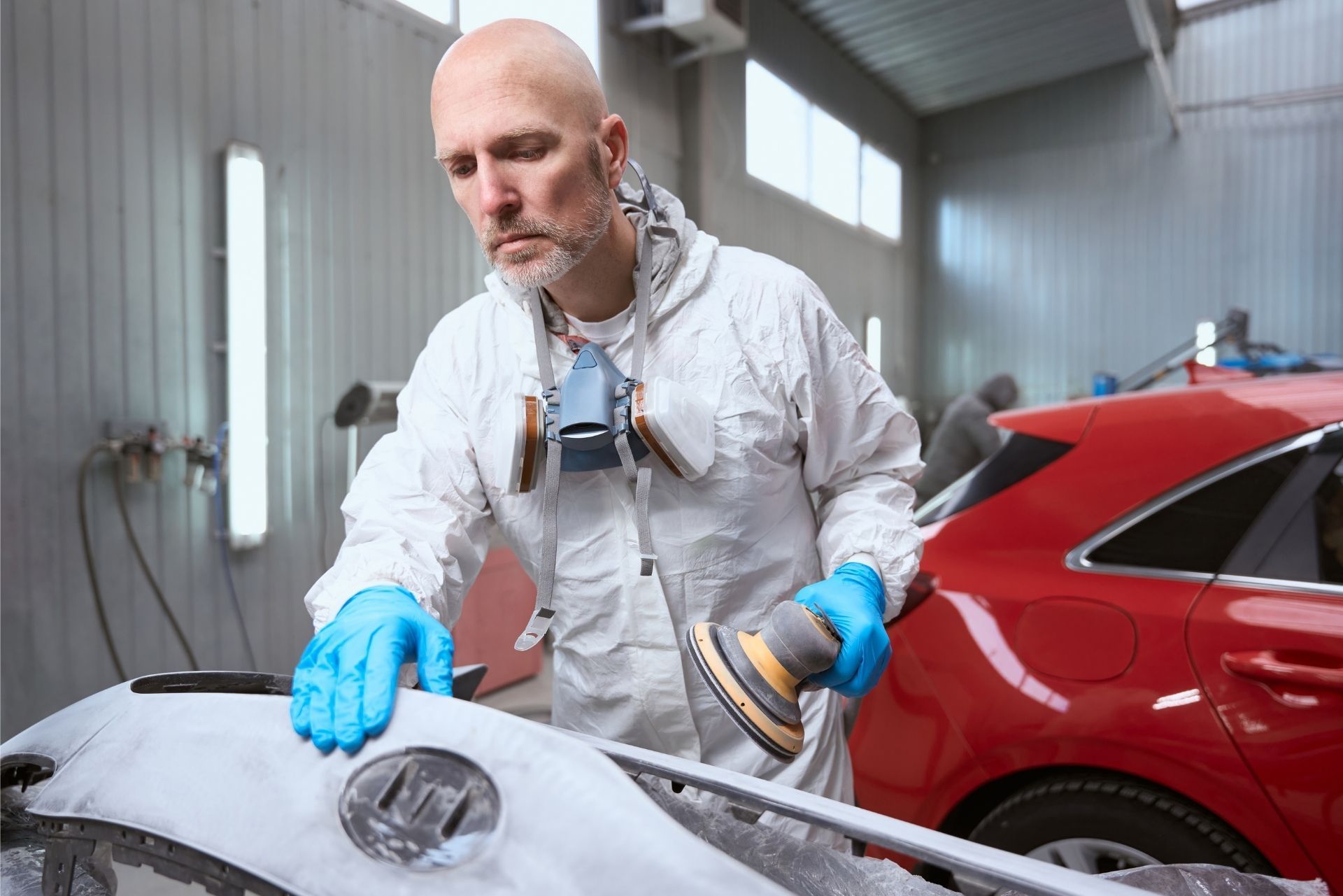
Beyond the state minimums, several optional coverage types directly affect how your vehicle gets repaired after an accident. These are the policies that actually pay for your car to be fixed at a body shop.
Collision Coverage vs. Comprehensive Coverage
Collision coverage pays to repair or replace your vehicle after an accident with another car or object, regardless of fault. If you hit a guardrail on the Turnpike or collide with another driver in a Brickell intersection, collision coverage handles your repair bill minus your deductible.
Comprehensive coverage handles non-collision events : falling tree branches during a hurricane, hail damage, theft, vandalism, and flooding. In Florida, where tropical storms regularly sweep through between June and November, comprehensive coverage is especially valuable. Saltwater flooding in coastal areas like Fort Myers or the Keys can total a vehicle overnight.
| Feature | Collision Coverage | Comprehensive Coverage |
|---|---|---|
| Covers accidents with other vehicles | Yes | No |
| Covers single-vehicle crashes | Yes | No |
| Covers weather damage | No | Yes |
| Covers theft/vandalism | No | Yes |
| Typical deductible range | $250 - $1,000 | $100 - $1,000 |
| Required by Florida law | No | No |
| Required by lienholders | Usually yes | Usually yes |
Most drivers with a car loan or lease are required by their lender to carry both. If you own your vehicle outright, the decision comes down to your car's value and your ability to absorb a total loss.
Uninsured Motorist Property Damage (UMPD) Options
Florida has one of the highest uninsured driver rates in the country, hovering around 20%. That means roughly one in five drivers on the road near you may carry no coverage at all. Uninsured Motorist Property Damage coverage pays for your vehicle repairs when the at-fault driver has no insurance.
UMPD in Florida has a statutory limit of $25,000 per accident. It carries a standard $0 deductible when the at-fault uninsured driver is identified. If you're hit by an uninsured driver who flees the scene, a separate collision claim with your own deductible may be your only option. Stacking UMPD across multiple vehicles on your policy can increase your total available coverage.
Florida Legal Rights in Choosing a Body Shop
Your policy pays for the repair, but you get to choose where that repair happens. Florida law gives you specific protections here, and knowing them can make a significant difference in repair quality.
Anti-Steering Laws and Consumer Choice
Florida Statute 626.9743 prohibits insurance companies from steering you toward a specific body shop. Your insurer can recommend shops, but they cannot require you to use one. They also can't refuse to pay a claim simply because you chose a different facility.
This matters because the shop you pick affects parts quality, paint matching, and repair timelines. If you drive a European vehicle and want a certified repair facility in South Florida, that's your right. The insurer must work with your chosen shop on estimates and supplements, even if it's not in their preferred network.
Direct Repair Programs (DRP) Pros and Cons
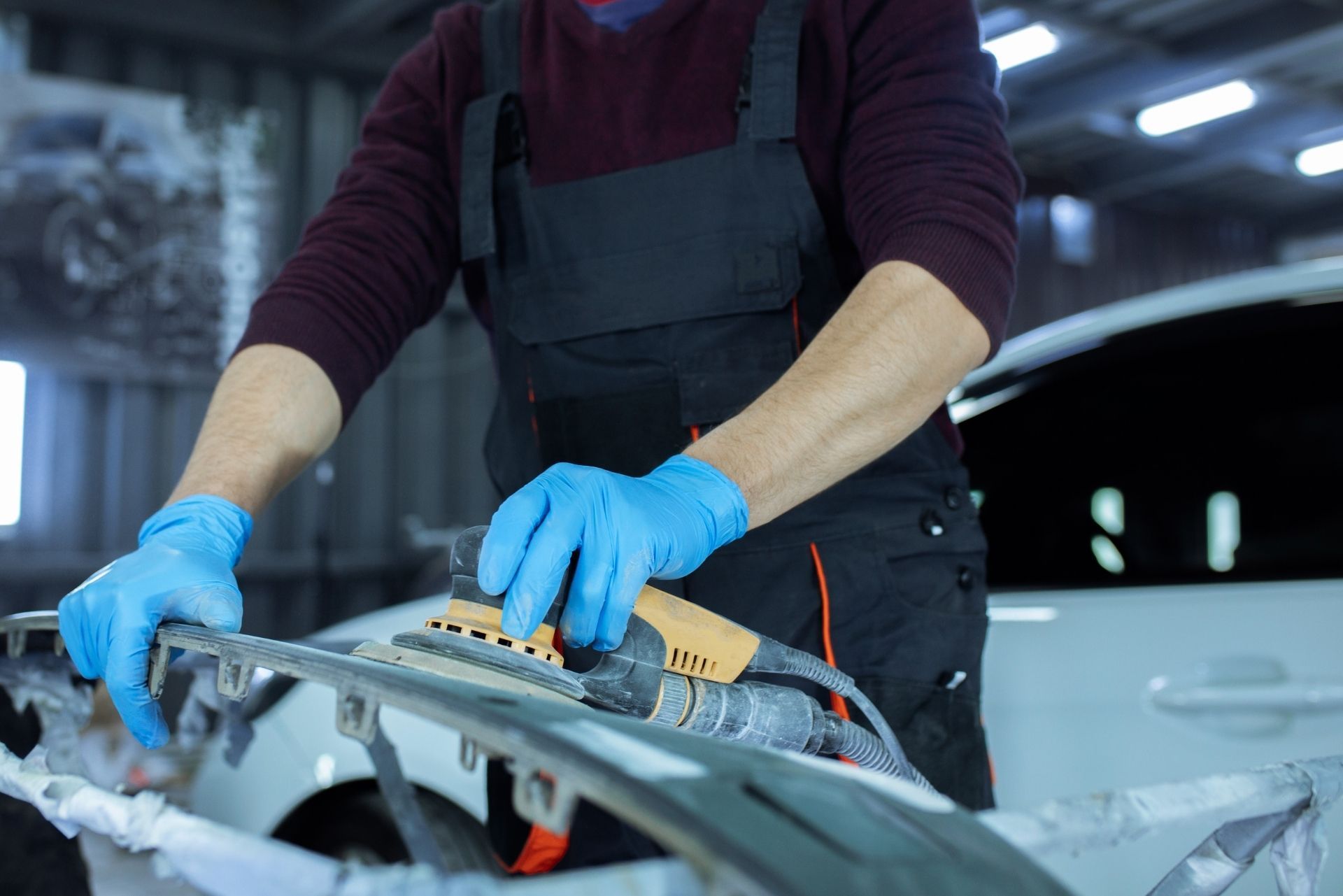
Many insurers offer Direct Repair Programs, which are networks of pre-approved body shops. These shops have agreed to specific pricing, parts sourcing, and repair standards set by the insurer. Using a DRP shop can speed up the process because the shop and insurer already have an established workflow.
The catch is that DRP shops sometimes face pressure to keep costs low. That can mean aftermarket parts instead of original equipment, or shortcuts on repair procedures. On the flip side, DRP shops often guarantee their work through the insurer, giving you an extra layer of warranty protection. Weigh the convenience against your vehicle's specific repair needs before deciding.
Specialized Endorsements for Enhanced Protection
Standard collision and comprehensive policies cover the basics, but endorsements let you customize your coverage for specific situations Florida drivers commonly face.
OEM Parts Coverage vs. Aftermarket Parts
Unless your policy specifies otherwise, your insurer may approve aftermarket or recycled parts for your repair. These parts are often cheaper but may not match the fit, finish, or corrosion resistance of Original Equipment Manufacturer parts. In Florida's humid, salt-heavy climate, that difference matters. A cheap aftermarket fender on a car parked daily near Daytona Beach may rust years before an OEM part would.
An OEM parts endorsement guarantees that your body shop uses manufacturer-original components. This endorsement typically adds $20 to $50 per year to your premium, a small price for preserving your vehicle's integrity and resale value.
Rental Reimbursement and Transportation Expenses
A collision repair in Florida can take anywhere from five days to several weeks, depending on parts availability and shop workload. Rental reimbursement coverage pays for a rental car while yours is in the shop. Typical limits range from $30 to $50 per day with a 30-day maximum.
Without this coverage, you're paying out of pocket for transportation during the entire repair. If you live in a sprawling metro area like Orlando or the Tampa Bay region where public transit options are limited, rental reimbursement isn't a luxury. It's a necessity.
Filing a claim correctly and understanding your full range of recoverable damages can mean the difference between a fair settlement and leaving money on the table.
Filing a First-Party vs. Third-Party Claim
A first-party claim goes through your own insurance. You use your collision coverage, pay your deductible, and your insurer handles the repair payment. This is typically faster and gives you more control over the process.
A third-party claim goes through the at-fault driver's insurance. You won't pay a deductible, but the process often takes longer because the other insurer must complete a liability investigation. In Florida, where comparative negligence rules apply after the 2023 tort reform changes, the other insurer may dispute fault percentages to reduce their payout. If you're found 20% at fault, your recovery drops by 20%. Keep detailed photos, a police report, and witness information to support your claim.
Recovering Diminished Value in Florida
Even after a perfect repair, a vehicle with an accident history is worth less than an identical car with a clean record. This loss is called diminished value, and Florida allows you to pursue it through a third-party claim against the at-fault driver's insurer.
Diminished value claims in Florida typically recover between 10% and 25% of the vehicle's pre-accident market value, depending on severity. A $40,000 SUV with structural frame damage could see a diminished value claim worth $4,000 to $10,000. You'll need an independent appraisal to support your claim. Most insurers won't volunteer this information, so you have to ask for it directly.
Selecting the Right Deductible for Your Budget
Your deductible is the amount you pay out of pocket before insurance kicks in. Choosing a $250 deductible means lower out-of-pocket costs per claim but higher monthly premiums. A $1,000 deductible lowers your premium but requires more cash on hand when an accident happens.
For most Florida drivers, a $500 deductible strikes a reasonable balance. If you drive a newer vehicle worth $30,000 or more, keeping the deductible at $500 or below protects you from a painful surprise after a wreck. If your car is older and worth under $10,000, a higher deductible with lower premiums may make more financial sense, but run the numbers first. Make sure your deductible doesn't exceed 10% of your vehicle's current value, or you risk paying a disproportionate share of any repair.
Florida's insurance landscape creates specific challenges for drivers who want their vehicles properly repaired after an accident. The state's no-fault system only covers medical expenses, leaving property damage to a patchwork of optional coverages, legal rights, and endorsements that you have to assemble yourself.
Start by reviewing your current policy declarations page. Check whether you carry collision, comprehensive, UMPD, and rental reimbursement. Verify your deductible amounts and whether your policy includes OEM parts coverage. If any of those lines are missing or set too low, contact your agent and request quotes for the gaps.
One thing to keep in mind : Florida's high uninsured driver rate and hurricane exposure make bare-minimum coverage a risky bet. A single storm season or one unlucky intersection can turn a coverage gap into a five-figure problem. Build your policy around the real risks you face on Florida roads, not just the legal minimums.
Frequently Asked Questions
Does Florida require collision coverage? No. Florida only requires $10,000 in PIP and $10,000 in PDL. Collision coverage is optional unless your lender requires it.
Can my insurer force me to use a specific body shop? No. Florida's anti-steering law gives you the right to choose any licensed repair facility. Your insurer must work with your chosen shop.
What's the difference between UMPD and collision coverage? UMPD covers your vehicle when an identified uninsured driver is at fault, usually with no deductible. Collision coverage applies to any accident regardless of fault but requires a deductible.
How long do I have to file a collision claim in Florida? Most policies require prompt notice, typically within 30 days. Florida's statute of limitations for property damage claims is five years, but delays can complicate your claim.
Is diminished value worth pursuing in Florida? If the other driver was at fault and your vehicle suffered significant damage, yes. Claims on vehicles worth $20,000 or more with moderate to severe damage often recover meaningful amounts.
Will filing a collision claim raise my premiums? It depends on fault. At-fault claims typically increase premiums by 20% to 40% at renewal. Not-at-fault claims may not affect your rate, but policies vary by insurer.
ABOUT THE AUTHOR:
MONTREAL MORAND
With over 20 years of leadership experience in the insurance industry, I’ve dedicated my career to helping clients and agents make informed, confident decisions about their coverage. I’ve led high-performing teams, managed more than $128 million in premium, and earned multiple national awards for excellence. Today, my mission remains the same — to educate, empower, and provide dependable protection for the communities we serve.
Contact Us
Protect the Things That Matter Most
Reliable Coverage for Your Home & Lifestyle
Home Insurance
Protect your home, belongings, and personal liability with reliable coverage.
Stronger Coverage for Your Operations
Essential Protection for Your Company
Coverage built for businesses that depend on people, property, and equipment.
Industries We Support
Insurance for Everyday Local Businesses
Simple, reliable protection for the people who keep our communities running.
Plumbers
Plumbers Insurance
Protection for job-site hazards, tools, and customer property.
Restaurants
Restaurants Insurance
Coverage for fire risks, food inventory, and general liability.
HVAC Contractors
HVAC Contractors Insurance
Insurance for service vehicles, equipment, and installation risks.




Frequently Asked Questions
Helpful Answers to Common Questions
Quick guidance to help you understand your coverage.
What types of insurance does Macpherson Insurance Agency offer?
We provide both personal and commercial insurance solutions. On the personal side: homeowners, automobile, condo, renters, windstorm, flood, excess flood, and more. On the commercial side: general liability, property, inland marine, ocean marine, workers compensation, and more.
Do you specialize in homeowners insurance in South Florida?
Yes. We specialize in homeowners coverage in South Florida and work with multiple carriers based on your property’s age, location and replacement cost.
What does “replacement cost” mean in a policy?
Replacement cost is the cost to rebuild your home to the same standard it had before a loss — not the market value of your property.
Why is it important that my insurer is licensed in Florida?
Licensed Florida insurers are continuously monitored for financial stability — if one fails, the Florida Insurance Guaranty Fund may reimburse insureds for unpaid claims up to a limit.
Can I lower my homeowners premium with discounts?
Yes — mitigation features like impact glass, storm shutters, roof straps, and approved sheathing may qualify you for significant credit reductions.
Do you offer payment plans or premium financing?
Yes. In many cases, payment plans and premium financing are available to make coverage more affordable and manageable over time.
From the Blog
Helpful Tips & Insurance Guidance
Articles created to make insurance easier to understand.

Miami cleanroom business interruption insurance: storm, power, and HVAC outage triggers. Book a free insurance review with Macpherson.

Miami fine art climate control insurance: how humidity and HVAC failures affect South Florida collections. Book a free insurance review with our agency.
Miami daycare playground liability insurance: heat, shade, and fall zones. Book a free insurance review with Macpherson Agency.
Miami med spa GLP-1 insurance risks: telehealth prescribing, compounded semaglutide, and records. Book a free insurance review with Macpherson Agency.

Miami museum hurricane insurance: how named-storm terms, flood vs wind, and off-site storage fit a collection. Ask us for a free insurance review.
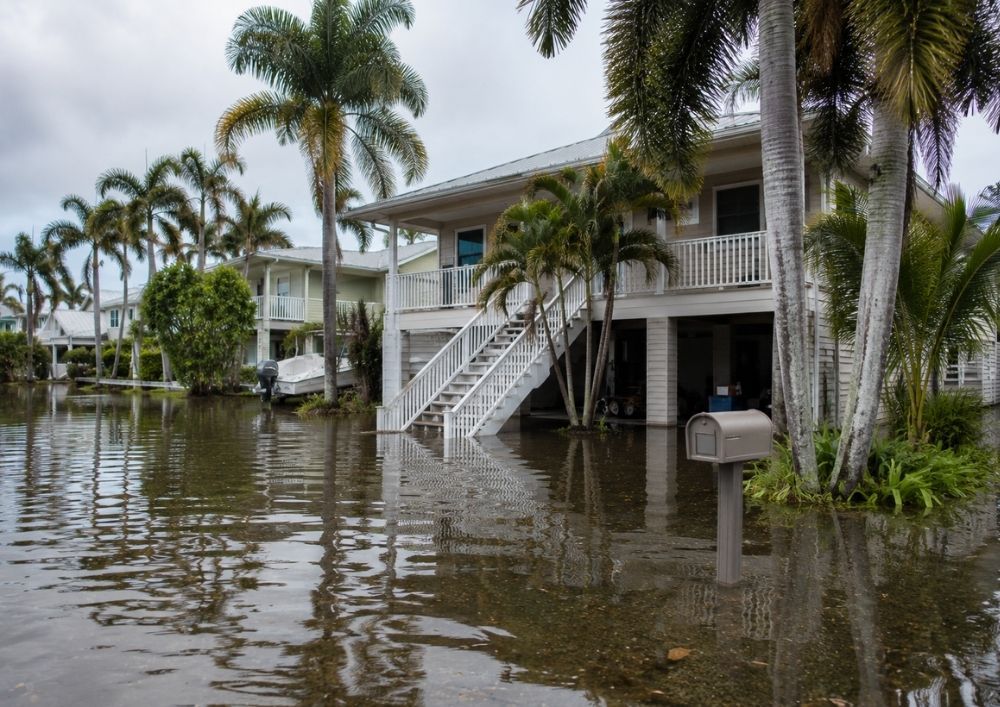
Learn how much flood insurance costs in Florida, compare NFIP vs. private coverage, understand key rate factors, and find ways to lower your premiums.
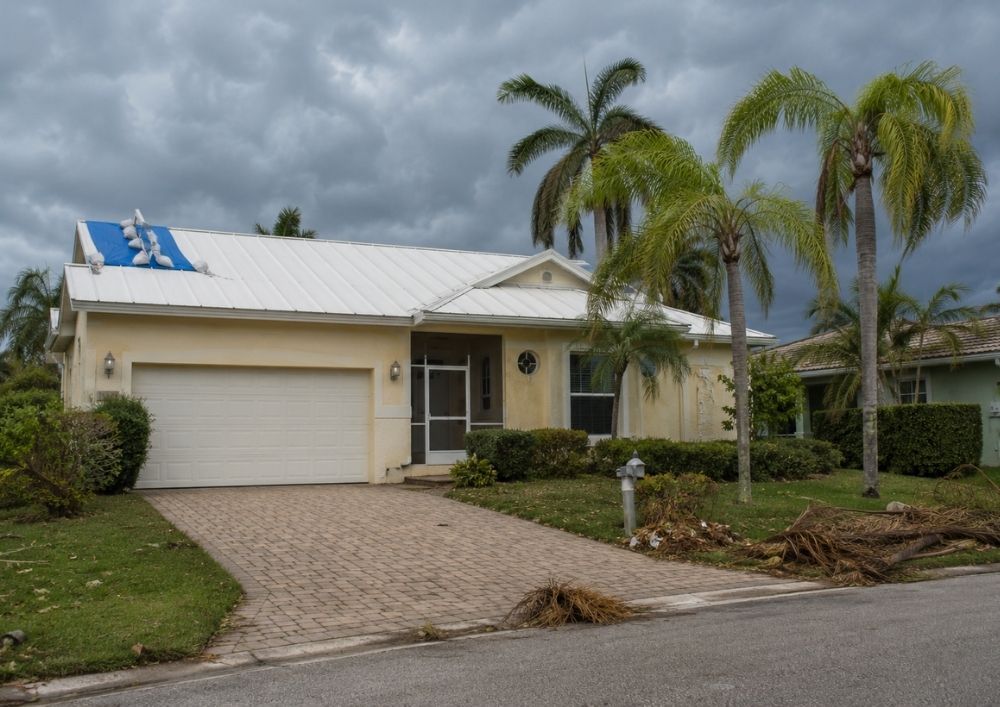
Discover Florida homeowners insurance costs in 2026, average premiums, key rate drivers, coverage options, and ways to lower your insurance bill.
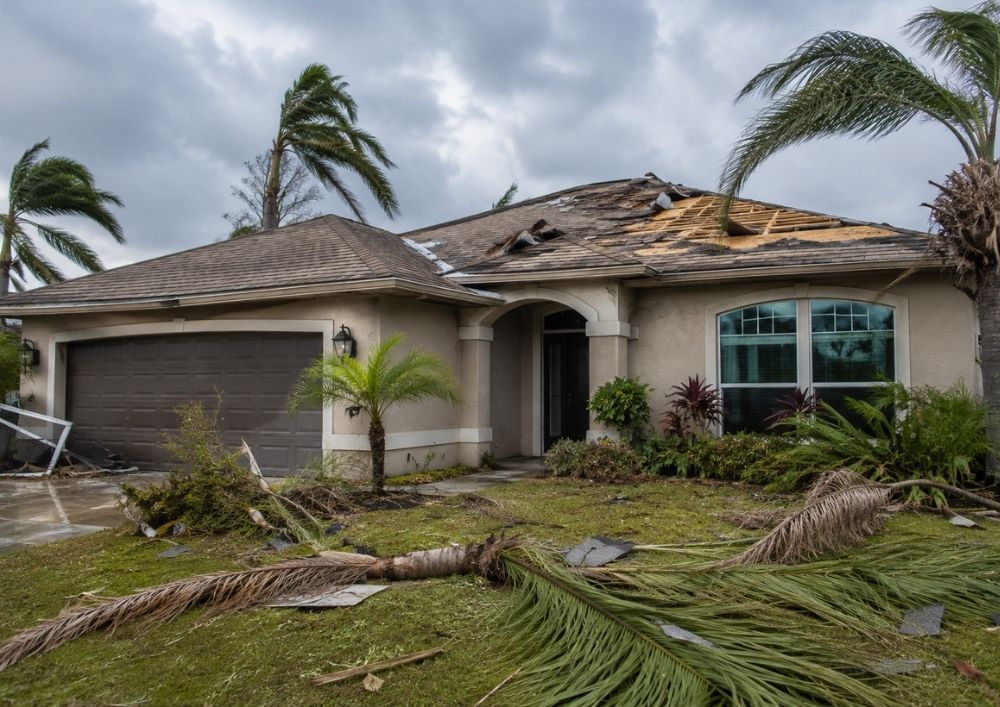
Learn how Florida home insurance covers hurricane and roof damage, including deductibles, coverage limits, claim steps, and ways to protect your home.
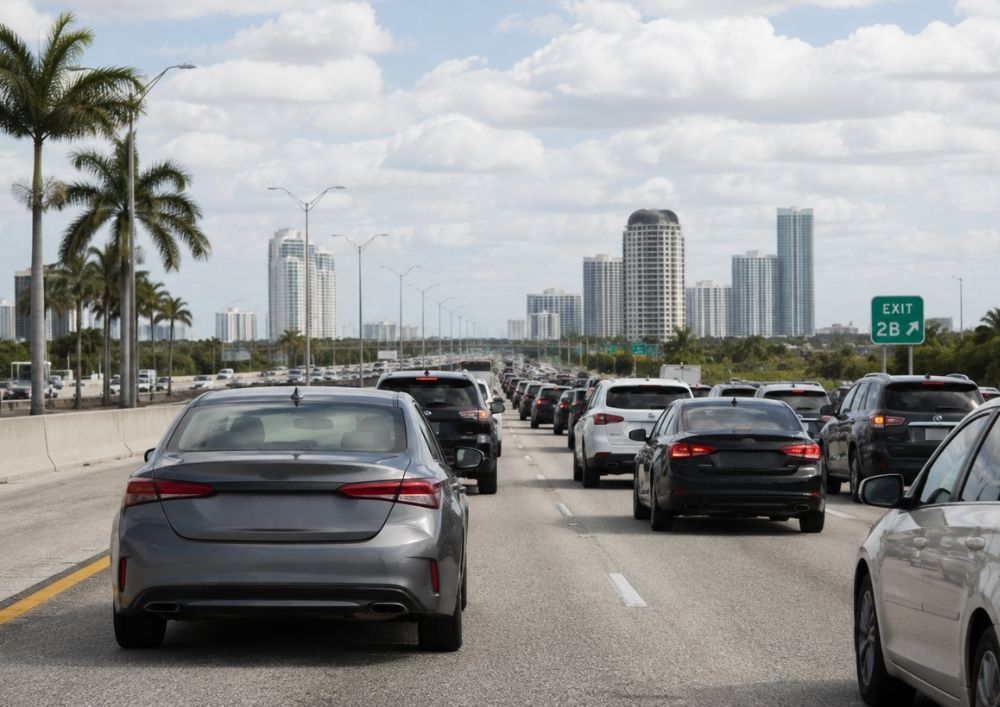
Learn why Florida car insurance is so expensive in 2026, average rates, key cost drivers, coverage options, and proven ways to lower your premium.

Miami-Dade daycares are licensed by Florida DCF, not a county health permit. See how ratios, capacity, and liability coverage fit together.
Contact Us
Phone
Location