Running a portable sanitation or septic service business in Florida means dealing with risks that most insurance agents barely understand. Your trucks haul thousands of gallons of waste across highways. Your crews handle biohazards daily. Your portable units sit exposed to hurricanes, flooding, and the corrosive effects of salt air. Standard commercial policies often leave dangerous gaps that only become apparent when you're filing a claim - and by then, it's too late.
Florida operators face a unique combination of regulatory pressure, environmental liability, and weather-related threats that demand specialized coverage. The state's high water table, hurricane exposure, and strict environmental statutes create a risk profile unlike anywhere else in the country. With the global portable toilet rental market valued at USD 19.1 billion in 2025 and projected to nearly double by 2034, more operators are entering this space. Competition is fierce, and one uninsured incident can wipe out years of profits.
Getting the right insurance for portable sanitation and septic services in Florida requires understanding both the regulatory framework and the specific coverage types that protect your operation. Generic
business policies won't cut it. You need coverage designed for vacuum trucks, pollution incidents, hurricane damage, and the biological hazards your workers face every shift.
The Florida Regulatory Landscape for Septic and Sanitation Services
Florida's regulatory environment for septic and sanitation operators has grown increasingly complex. State agencies take environmental compliance seriously, and violations can result in substantial fines, license revocation, and civil liability that insurance may not cover if you're operating outside legal requirements.
Department of Health (DOH) Compliance Requirements
The Florida Department of Health has historically overseen septic system permitting, but recent changes have shifted some responsibilities. Starting January 2, 2025, the Florida Department of Environmental Protection (DEP) now manages septic system permitting in 16 counties, creating a dual-agency oversight structure that operators must track carefully. Your insurance coverage should align with the specific licensing requirements in each county where you operate.
Maintaining proper licensure isn't just about avoiding fines. Many insurance policies include compliance warranties that void coverage if you're operating without required permits. Before renewing your policy, verify that your coverage acknowledges the current regulatory structure and doesn't contain outdated compliance language.
Environmental Liability and Pollution Statutes
Florida's environmental laws impose strict liability for contamination events. If waste from your operation contaminates groundwater, soil, or surface water, you're responsible for cleanup costs regardless of fault. Florida's distributed wastewater treatment systems must achieve a minimum 80 percent total nitrogen removal, reflecting the state's aggressive approach to protecting water resources.
Standard general liability policies typically exclude pollution claims entirely. You need dedicated environmental liability coverage that responds to gradual contamination, sudden spills, and cleanup orders from state agencies. Without this coverage, a single contamination event could expose your business to hundreds of thousands in remediation costs.

By: Montreal Morand
Founder & Managing Partner
Macpherson Insurance Agency
Essential Coverage Types for Portable Toilet Operators
Portable toilet operators need coverage that addresses both standard business risks and the unique exposures that come with deploying sanitation equipment across construction sites, outdoor events, and public venues.
General Liability and Property Damage
General liability forms the foundation of your insurance program, covering third-party bodily injury and property damage claims. When a unit tips over at a construction site and injures a worker, or when your service vehicle backs into a client's fence, general liability responds.
The cost of plumbing insurance for a small business in Florida typically ranges from around $750 to $4,000 per year for general liability and basic bundle policies. Portable sanitation operators often fall into similar premium ranges, though rates vary based on fleet size, annual revenue, and claims history. Expect to pay more if you service high-risk venues like concerts or sporting events where large crowds increase injury potential.
Inland Marine Insurance for Portable Units
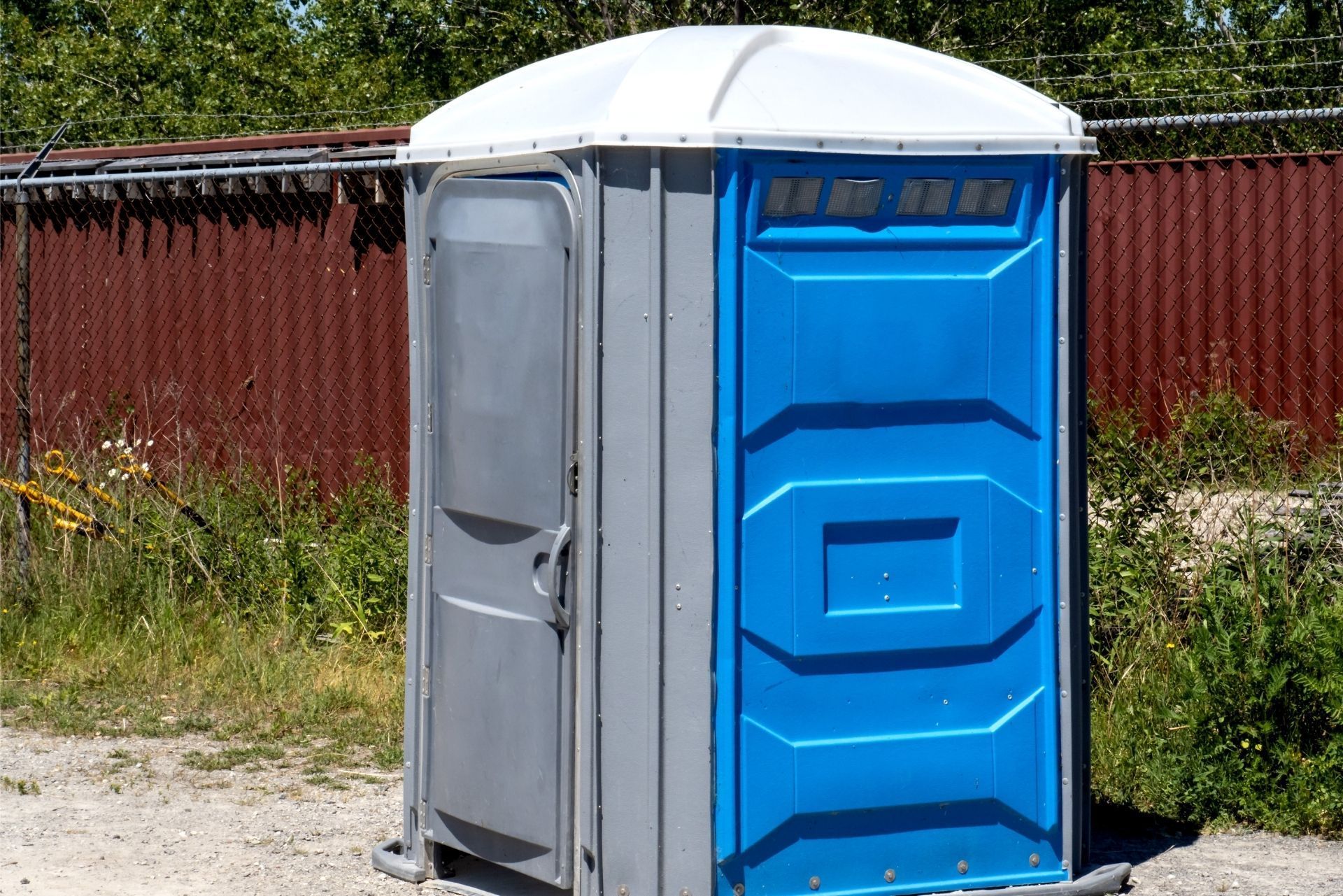
Your portable toilets represent significant capital investment, and they're constantly moving between locations. Standard property insurance often excludes equipment in transit or deployed off-premises. Inland marine insurance fills this gap, covering your units wherever they're located.
This coverage protects against theft, vandalism, collision damage during transport, and weather-related losses. Given Florida's storm exposure, inland marine coverage should include windstorm provisions that don't cap payouts at inadequate levels. Review policy sublimits carefully - many policies impose per-unit maximums that may not reflect replacement costs for premium units with features like hand sanitizer stations or climate control.
Commercial Auto and Fleet Insurance for Pumper Trucks
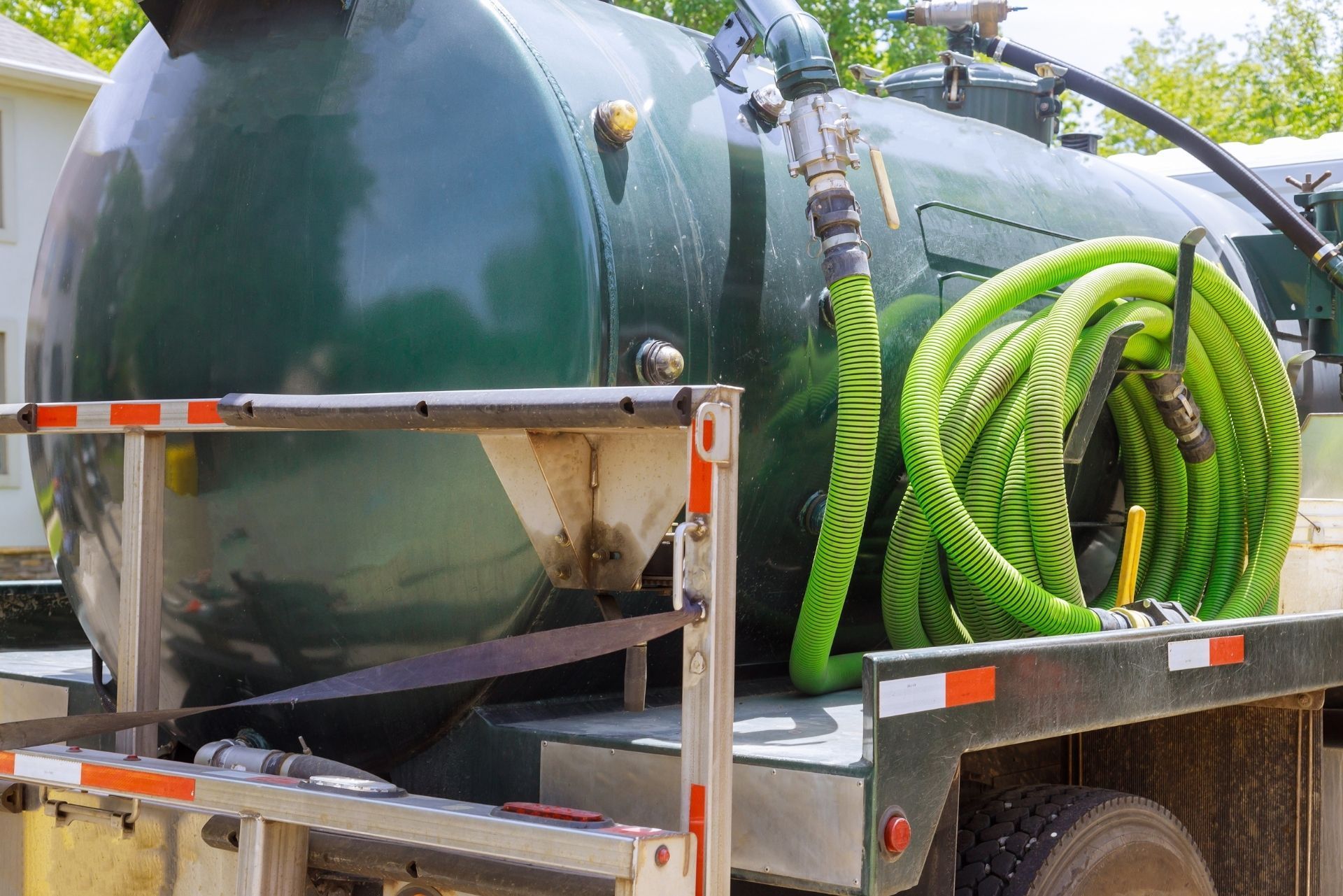
Vacuum trucks and service vehicles represent your largest mobile assets and your greatest liability exposure. These aren't standard commercial vehicles, and they require coverage that accounts for their specialized equipment and cargo.
Specialized Coverage for Vacuum and Tanker Equipment
Standard commercial auto policies cover the truck itself but often exclude the vacuum system, tanks, hoses, and pumping equipment that make your vehicle functional. You need coverage that treats the entire unit as an integrated system, not just the chassis and cab.
| Coverage Type | What It Protects | Why It Matters |
|---|---|---|
| Commercial Auto Liability | Third-party injury and property damage from accidents | Required by law; protects against lawsuits |
| Physical Damage | Your truck's body, engine, and frame | Covers collision and comprehensive losses |
| Mounted Equipment | Vacuum systems, tanks, pumps, hoses | Often excluded from standard auto policies |
| Downtime Coverage | Lost income while truck is being repaired | Keeps cash flowing during repairs |
Work with an agent who understands that a vacuum truck out of service costs you money every day it sits in a repair shop. Downtime coverage, sometimes called business income coverage for mobile equipment, can offset lost revenue during extended repairs.
Pollution Buy-Backs for Transit-Related Spills
Here's where many operators get caught: commercial auto policies almost universally exclude pollution liability. If your truck is involved in an accident that ruptures the tank and spills waste onto a highway, your auto policy won't cover the cleanup costs or third-party contamination claims.
Pollution buy-back endorsements add coverage for sudden and accidental releases during transit. These endorsements aren't cheap, but they're essential. A highway spill can trigger EPA involvement, require hazmat response teams, and generate cleanup bills exceeding $100,000. Without pollution buy-back coverage, you're paying that out of pocket.
Managing Risk in Florida's Unique Coastal Environment
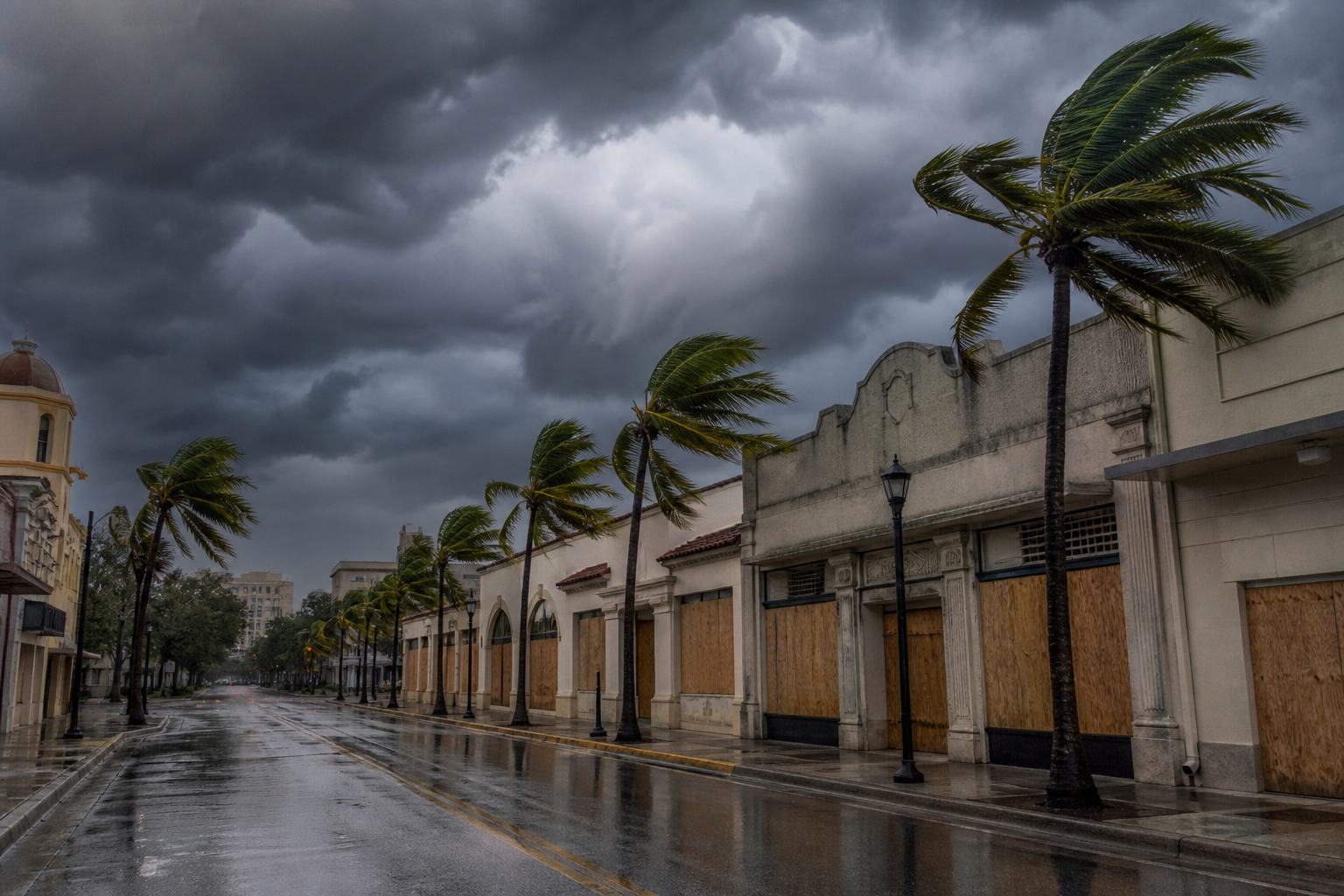
Florida's geography creates insurance challenges that operators in other states simply don't face. Between June and November, hurricane season threatens your entire operation. Year-round, the state's hydrology creates flood and groundwater contamination risks.
Hurricane and Windstorm Considerations
Standard property and inland marine policies often exclude or sublimit windstorm coverage in Florida. You may need separate named storm coverage or wind-only policies to fully protect your assets. Portable units scattered across job sites are particularly vulnerable - they can become projectiles in high winds, creating both property loss and liability exposure.
Develop a hurricane preparedness plan that your insurer approves. Many carriers offer premium credits for documented storm preparation procedures, including unit retrieval protocols, equipment tie-down standards, and evacuation timelines. A solid plan demonstrates risk management commitment and can reduce your premiums by 5-15%.
Flood and High Water Table Hazards
Florida's water table sits close to the surface across much of the state, creating unique contamination pathways. A waste spill that might remain localized in other states can quickly reach groundwater in Florida, triggering extensive remediation requirements.
Flood insurance through the National Flood Insurance Program covers property damage but not pollution cleanup. You need environmental liability coverage that specifically addresses flood-related contamination events. Review policy language carefully - some environmental policies exclude losses that originate from flood events, leaving you exposed to the exact scenario most likely to occur.
Workers' Compensation and Safety Standards
Your crews face hazards that most workers never encounter. Proper workers' compensation coverage protects both your employees and your business from the financial consequences of workplace injuries.
Pathogen and Biohazard Exposure Protection
Septic and sanitation workers handle human waste daily, exposing them to hepatitis, E. coli, parasites, and other pathogens. Needle sticks from improperly disposed syringes create bloodborne pathogen exposure. Hydrogen sulfide gas in septic tanks can cause rapid incapacitation and death.
Florida requires workers' compensation coverage for businesses with four or more employees, but smart operators carry coverage regardless of headcount. A single serious injury claim can exceed $500,000 in medical costs and lost wages. Your workers' comp policy should include coverage for occupational diseases with extended manifestation periods, since some pathogen exposures don't produce symptoms for weeks or months.
Invest in proper PPE, confined space entry training, and gas detection equipment. Insurers reward documented safety programs with lower experience modification ratings, which directly reduce your premiums over time.
Insurance for Florida sanitation operators isn't cheap, but you can control costs without sacrificing necessary coverage. Heffernan Insurance Brokers, which specializes in portable sanitation coverage, claims to save clients up to 50% through industry-specific programs. While your savings may vary, working with specialists typically beats shopping generic commercial policies.
Bundle your coverages with a single carrier when possible. Carriers offer package discounts when you combine general liability, auto, inland marine, and workers' compensation. A single-carrier approach also simplifies claims handling when incidents involve multiple coverage types.
Raise deductibles strategically on coverages where you can absorb smaller losses. A $5,000 deductible instead of $1,000 on physical damage coverage can reduce premiums significantly, and most operators can handle occasional minor repairs without filing claims.
Maintain clean loss runs. Every claim you file affects your premiums for three to five years. Handle small incidents out of pocket when the cost is close to your deductible. Document everything in case situations escalate, but avoid filing claims for minor losses.
Frequently Asked Questions
What's the minimum insurance required for septic contractors in Florida? Florida requires general liability coverage for licensed contractors, plus commercial auto insurance for business vehicles. Workers' compensation is mandatory for businesses with four or more employees. Specific limits vary by county and contract requirements.
Does my commercial auto policy cover waste spills from accidents? Almost certainly not. Standard commercial auto policies exclude pollution liability. You need a pollution buy-back endorsement to cover cleanup costs and third-party claims from transit-related spills.
How much does portable sanitation insurance cost in Florida? Costs vary widely based on fleet size, revenue, and claims history. Small operators might pay $3,000-8,000 annually for basic coverage, while larger fleets with comprehensive protection can exceed $25,000. Get quotes from specialists who understand the industry.
Are my portable units covered during hurricanes? Only if your policy includes windstorm coverage without restrictive sublimits. Many Florida policies exclude or cap wind damage. Review your inland marine coverage carefully and consider supplemental named storm protection.
Do I need pollution insurance if I only service portable toilets? Yes. Spills during servicing, transport accidents, and unit damage can all release waste that triggers contamination claims. Environmental liability coverage protects against cleanup costs and third-party lawsuits.
Making the Right Coverage Decisions
Protecting your portable sanitation or septic business requires insurance that matches Florida's unique risk environment. Generic policies leave gaps that become apparent only when you're facing a claim denial. Work with agents who understand vacuum trucks, pollution exposures, and hurricane risks specific to this industry.
Review your coverage annually, especially after regulatory changes or fleet expansions. The investment in proper insurance protects not just your equipment and employees, but the business you've worked to build. Request quotes from specialists, compare coverage terms carefully, and don't choose based on premium alone. The cheapest policy often provides the least protection when you need it most.
ABOUT THE AUTHOR:
MONTREAL MORAND
With over 20 years of leadership experience in the insurance industry, I’ve dedicated my career to helping clients and agents make informed, confident decisions about their coverage. I’ve led high-performing teams, managed more than $128 million in premium, and earned multiple national awards for excellence. Today, my mission remains the same — to educate, empower, and provide dependable protection for the communities we serve.
Contact Us
Protect the Things That Matter Most
Reliable Coverage for Your Home & Lifestyle
Home Insurance
Protect your home, belongings, and personal liability with reliable coverage.
Stronger Coverage for Your Operations
Essential Protection for Your Company
Coverage built for businesses that depend on people, property, and equipment.
Industries We Support
Insurance for Everyday Local Businesses
Simple, reliable protection for the people who keep our communities running.
Plumbers
Plumbers Insurance
Protection for job-site hazards, tools, and customer property.
Restaurants
Restaurants Insurance
Coverage for fire risks, food inventory, and general liability.
HVAC Contractors
HVAC Contractors Insurance
Insurance for service vehicles, equipment, and installation risks.




Frequently Asked Questions
Helpful Answers to Common Questions
Quick guidance to help you understand your coverage.
What types of insurance does Macpherson Insurance Agency offer?
We provide both personal and commercial insurance solutions. On the personal side: homeowners, automobile, condo, renters, windstorm, flood, excess flood, and more. On the commercial side: general liability, property, inland marine, ocean marine, workers compensation, and more.
Do you specialize in homeowners insurance in South Florida?
Yes. We specialize in homeowners coverage in South Florida and work with multiple carriers based on your property’s age, location and replacement cost.
What does “replacement cost” mean in a policy?
Replacement cost is the cost to rebuild your home to the same standard it had before a loss — not the market value of your property.
Why is it important that my insurer is licensed in Florida?
Licensed Florida insurers are continuously monitored for financial stability — if one fails, the Florida Insurance Guaranty Fund may reimburse insureds for unpaid claims up to a limit.
Can I lower my homeowners premium with discounts?
Yes — mitigation features like impact glass, storm shutters, roof straps, and approved sheathing may qualify you for significant credit reductions.
Do you offer payment plans or premium financing?
Yes. In many cases, payment plans and premium financing are available to make coverage more affordable and manageable over time.
From the Blog
Helpful Tips & Insurance Guidance
Articles created to make insurance easier to understand.





Contact Us
Phone
Location