Errors and Omissions insurance, often called E&O insurance, is a critical safeguard for professionals in Florida. It protects against claims of negligence, mistakes, or failure to perform professional duties. With Florida’s unique legal and insurance environment, understanding E&O coverage here requires more than a basic overview. This article breaks down what E&O insurance means in Florida, why it matters, and how recent changes in the state’s insurance landscape impact professionals seeking this coverage.
Why E&O Insurance Matters in Florida’s Complex Market
Florida’s insurance market is notoriously challenging. Despite policyholders submitting only 7% of homeowners insurance claims nationwide, Florida accounted for a staggering 76% of all homeowners insurance lawsuits in 2021. This disproportionate number highlights the litigious nature of the state, which extends beyond homeowners insurance into professional liability risks faced by many service providers and consultants.
For professionals such as real estate agents, contractors, and consultants, E&O insurance is more than a formality. It is a necessary shield against costly lawsuits that can arise from allegations of errors or omissions in their work. Given the high volume of claims and legal actions in Florida, having this coverage is a practical step to protect personal assets and business continuity.
Florida’s homeowners insurance market has been under intense scrutiny and reform, with recent legislative changes affecting how insurance is placed and regulated. For example, House Bill 1549, signed into law in June 2025, eliminated the "diligent effort" requirement for agents placing surplus lines insurance. This change simplifies the process for agents but also shifts how professionals must approach their insurance needs in the state. Understanding these dynamics is crucial for anyone considering E&O insurance in Florida. You can read more about this legislative update at the Florida Surplus Lines Service Office.
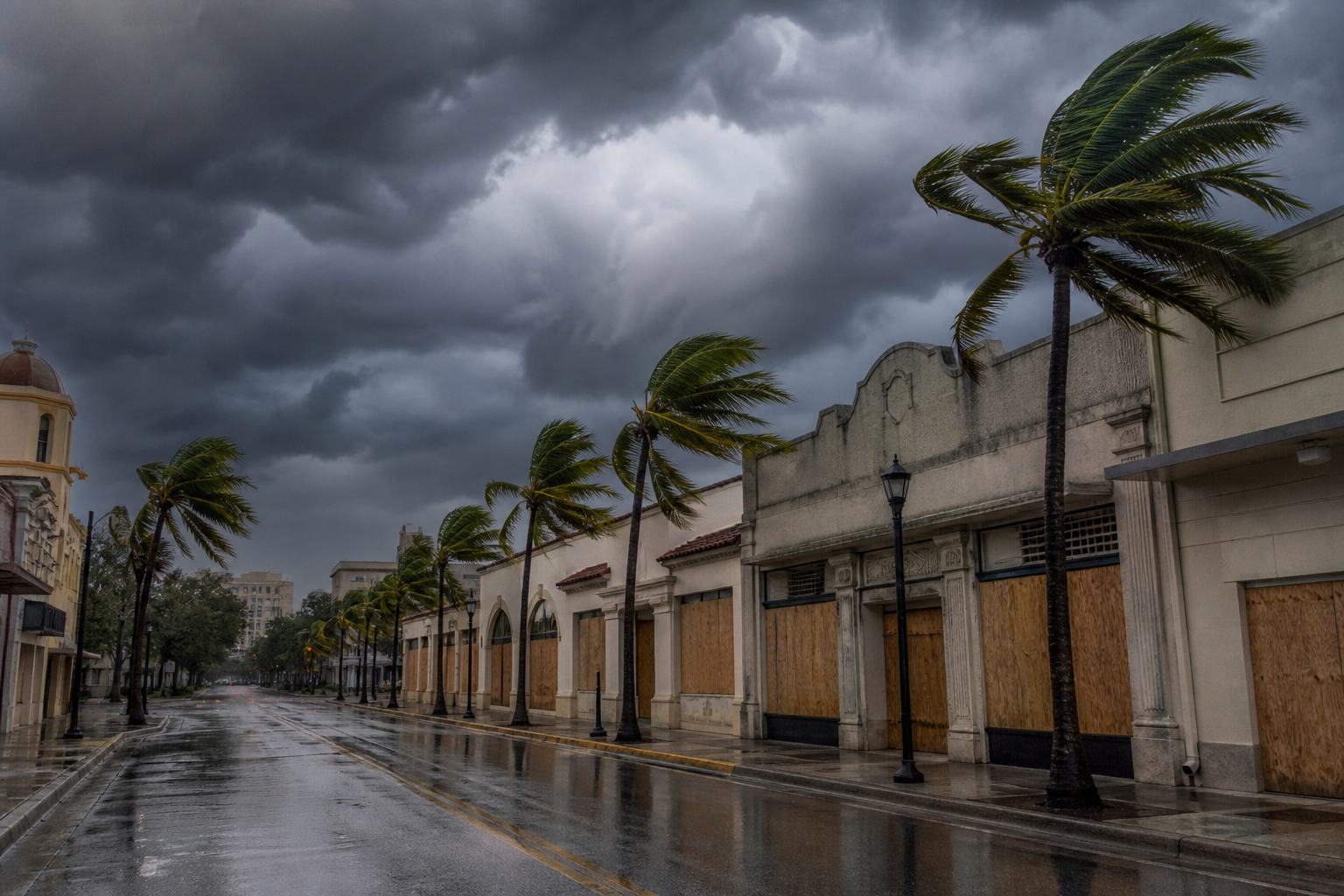
Moreover, the unique geographical and environmental challenges that Florida faces, such as hurricanes and flooding, further complicate the insurance landscape. These natural disasters not only lead to increased claims but also create a heightened risk environment for professionals who may inadvertently contribute to losses through their services. For instance, a contractor who fails to properly assess the structural integrity of a home before renovations could face significant liability if the property is damaged during a storm. This underscores the importance of E&O insurance as a safeguard against such unpredictable risks, ensuring that professionals can operate with confidence even in the face of potential litigation.
Additionally, the competitive nature of Florida’s real estate market adds another layer of complexity. With a surge in demand for properties, real estate agents are often under pressure to close deals quickly, which can lead to oversights or miscommunications with clients. E&O insurance becomes essential in this context, as it not only protects against claims but also provides peace of mind, allowing agents to focus on delivering quality service without the constant worry of potential legal repercussions. As the market continues to evolve, staying informed about both legislative changes and industry trends will be vital for professionals aiming to navigate Florida's intricate insurance landscape effectively.

By: Montreal Morand
Founder & Managing Partner
Macpherson Insurance Agency
Key Features of Florida E&O Insurance
E&O insurance in Florida typically covers legal defense costs, settlements, and judgments arising from claims of professional negligence. This coverage is essential for professionals who provide advice, services, or expertise that clients rely on. Without it, a single lawsuit—even one without merit—could lead to significant financial strain. The stakes are particularly high in Florida, where the diverse economy includes a wide range of professions, from healthcare providers to financial advisors, all of whom face unique risks associated with their services. The potential for claims in these fields underscores the importance of having robust E&O insurance in place.
One important aspect to consider is how Florida’s high litigation environment affects E&O premiums. Experts note that Floridians pay some of the highest homeowners insurance premiums in the nation for reasons that have little to do with hurricanes. This litigious climate spills over into professional liability insurance, pushing premiums higher than in many other states. This context helps explain why E&O insurance in Florida can be more expensive and why choosing the right coverage is vital. Additionally, the state's growing population and influx of businesses can lead to increased competition and, consequently, a greater likelihood of disputes, further contributing to the elevated risk profile for professionals operating in the state.
Coverage limits, deductibles, and policy terms vary widely. Professionals should carefully evaluate their risk exposure and consult with knowledgeable brokers who understand Florida’s insurance market nuances. The recent market improvements and reforms have started to bring some relief, but the state’s unique challenges remain. For instance, the introduction of new regulations aimed at curbing frivolous lawsuits may eventually help stabilize premiums, but until then, professionals must remain vigilant in assessing their insurance needs and ensuring they have adequate protection against potential claims.
Coverage Examples
Imagine a real estate agent who overlooks a critical zoning issue when advising a client. If that oversight leads to financial loss, the client might file a claim alleging negligence. E&O insurance would cover the agent’s defense costs and any settlement or judgment, up to the policy limits. This scenario highlights the importance of thorough due diligence in the real estate sector, where the complexities of local regulations can easily lead to misunderstandings and disputes. Moreover, the agent's reputation could also be at stake, making E&O insurance not just a financial safeguard but a crucial component of maintaining professional credibility.
Similarly, contractors who provide design or consulting services may face claims if a project does not meet client expectations or regulatory standards. E&O coverage helps protect against these risks, which are common in Florida’s construction and service industries. For instance, if a contractor fails to adhere to building codes or miscalculates project costs, they could be held liable for the resulting financial repercussions. In such cases, E&O insurance not only covers legal fees but can also assist in mitigating the fallout from reputational damage. As the construction industry continues to evolve with new technologies and methodologies, having comprehensive E&O coverage becomes increasingly vital for professionals looking to safeguard their business and ensure long-term success in a competitive market.
Recent Trends and Market Developments Affecting E&O Insurance
The Florida insurance market has seen significant shifts in recent years. After years of losses, 2024 marked the first underwriting profit in the property insurance sector in eight years, totaling $207 million. This turnaround signals a healthier market environment, which could positively influence E&O insurance availability and pricing. The improved profitability can be attributed to a combination of factors, including stricter underwriting standards and a more disciplined approach to risk management among insurers. As companies adapt to these changes, they are better positioned to offer competitive rates and enhanced coverage options to professionals requiring E&O insurance.
Direct incurred defense expenses, a major cost driver in insurance claims, have also declined. In 2023, Florida’s direct incurred defense expenses dropped to $739 million, the lowest since 2019. This reduction points to fewer costly legal battles, which may help stabilize premiums for professional liability insurance. Furthermore, the decline in defense costs can be linked to a growing trend of alternative dispute resolution methods, such as mediation and arbitration, which are becoming increasingly popular in the state. These methods not only expedite the resolution process but also significantly reduce the financial burden on both insurers and policyholders.
At the same time, the Florida Surplus Lines Service Office reported a 15% increase in surplus lines policies in September 2025 compared to the previous year. With 144,583 policies and $1.2 billion in premium, this growth reflects a rising demand for specialized insurance products, including E&O coverage, in Florida’s complex market. More details on this trend are available at the Florida Surplus Lines Service Office. This surge in surplus lines policies indicates that businesses are increasingly recognizing the need for tailored insurance solutions that address unique risks, particularly in sectors like technology, healthcare, and professional services, where traditional coverage may fall short.
Impact of Legislative Reforms
Legislative reforms have played a key role in reshaping Florida’s insurance climate. Industry insiders credit recent changes with shifting the market back to a focus on genuine insurance risks rather than fraudulent claims. One expert remarked, “I think we’ve gotten it back to an insurance market rather than a fraud market.” This improvement helps reduce unnecessary claims and litigation, which benefits professionals seeking E&O insurance by potentially lowering premiums and improving coverage terms. Additionally, these reforms have encouraged insurers to innovate and develop new products that better meet the evolving needs of Florida's diverse business landscape.
However, professionals must remain vigilant. The legal environment in Florida continues to be challenging, and staying informed about ongoing regulatory changes is crucial for maintaining adequate protection. As the state grapples with the implications of these reforms, professionals should consider engaging with industry associations and legal experts to navigate the complexities of E&O insurance. Furthermore, proactive risk management strategies, such as regular training and compliance audits, can help mitigate exposure to claims, ensuring that businesses are not only protected but also positioned to thrive in this dynamic market.

Choosing the Right E&O Policy in Florida
Selecting an E&O policy involves more than just comparing prices. Understanding the scope of coverage, exclusions, and claims handling procedures is essential. Florida professionals should look for policies that offer robust defense coverage, clear definitions of covered services, and reasonable limits aligned with their risk profile.
Working with brokers who specialize in Florida’s insurance market can provide valuable insights. These experts understand how recent market developments and legislative changes impact E&O insurance and can help tailor policies to individual needs.
Factors to Consider
- Coverage Limits: Higher limits provide more protection but come with higher premiums. Evaluate your risk exposure carefully.
- Deductibles: Understand how much you will pay out of pocket before coverage kicks in.
- Claims-Made vs. Occurrence Policies: Most E&O policies are claims-made, meaning they cover claims reported during the policy period. Knowing this helps avoid coverage gaps.
- Exclusions: Be aware of what is not covered, such as intentional wrongdoing or criminal acts.
The right policy balances cost with comprehensive protection, ensuring peace of mind in a state where professional liability risks are elevated.
Additionally, it is crucial to consider the specific nature of your profession when choosing an E&O policy. For instance, professionals in the healthcare sector may face different risks compared to those in real estate or consulting. Tailoring your coverage to address the unique challenges of your field can prevent costly surprises down the line. Furthermore, staying informed about industry standards and best practices can also enhance your understanding of what constitutes adequate coverage.
Another important aspect is the insurer’s reputation and claims-handling process. Researching customer reviews and ratings can provide insights into how effectively a company manages claims and supports its clients during difficult times. A responsive and supportive insurer can make a significant difference when navigating the complexities of a claim, ensuring that you receive the assistance you need when it matters most.
How Florida’s Insurance Market Challenges Affect E&O Insurance Costs
Florida’s insurance market faces unique challenges that directly impact E&O insurance costs. The state’s high litigation rate inflates defense expenses, which in 2022 reached an 8.4% ratio of direct cost and containment expenses to direct premiums earned-more than double Louisiana’s 3.6%. This environment drives up the cost of defending claims, which insurers pass on to policyholders through higher premiums.
Despite these hurdles, reforms and market improvements have begun to ease the pressure. The decline in defense expenses and the return to underwriting profits signal a more stable market. Still, professionals should expect E&O insurance in Florida to remain pricier than in many other states due to these systemic factors.
For those navigating this landscape, staying informed about market trends and legislative changes is essential. Resources like the
Triple-I Blog provide expert insights into why Florida’s insurance premiums are so high and what that means for consumers and professionals alike.
Frequently Asked Questions About Florida E&O Insurance
Q: Who needs Errors and Omissions insurance in Florida?
A: Any professional providing advice, services, or expertise that clients rely on should consider E&O insurance. This includes real estate agents, contractors, consultants, and many others.
Q: Does E&O insurance cover intentional wrongdoing?
A: No. E&O policies typically exclude coverage for intentional acts, fraud, or criminal behavior.
Q: How do recent Florida laws affect E&O insurance?
A: Laws like House Bill 1549 have streamlined surplus lines insurance placement, potentially improving access to specialized coverage. However, professionals must stay updated on ongoing regulatory changes.
Q: Can E&O insurance protect against all lawsuits?
A: E&O insurance covers claims related to professional errors or omissions but does not cover general liability claims like bodily injury or property damage unrelated to professional services.
Q: How can I lower my E&O insurance premiums in Florida?
A: Maintaining good risk management practices, choosing appropriate coverage limits, and working with knowledgeable brokers can help manage premium costs.
Q: Is E&O insurance required by law in Florida?
A: While not always legally required, many professions and clients demand E&O coverage as a condition of contracts or licensing.
Q: What is the difference between claims-made and occurrence policies?
A: Claims-made policies cover claims reported during the policy period, while occurrence policies cover incidents that happen during the policy period regardless of when the claim is reported.
What to Remember About Florida E&O Insurance
Florida’s unique legal and insurance environment makes Errors and Omissions insurance a vital tool for professionals. The state’s high litigation rates and insurance market challenges mean that E&O coverage is not just a precaution-it is a necessity. Recent market reforms and legislative changes have improved conditions, but risks remain elevated compared to other states.
Choosing the right E&O policy requires careful consideration of coverage details, limits, and exclusions. Working with experienced brokers who understand Florida’s market nuances can make a significant difference. Staying informed about ongoing market trends and regulatory updates ensures that professionals maintain adequate protection in a complex landscape.
For more on how Florida’s insurance market is evolving and what that means for professionals, visit the
Active Property Care report on Florida’s insurance market.
ABOUT THE AUTHOR:
MONTREAL MORAND
With over 20 years of leadership experience in the insurance industry, I’ve dedicated my career to helping clients and agents make informed, confident decisions about their coverage. I’ve led high-performing teams, managed more than $128 million in premium, and earned multiple national awards for excellence. Today, my mission remains the same — to educate, empower, and provide dependable protection for the communities we serve.
Contact Us
Protect the Things That Matter Most
Reliable Coverage for Your Home & Lifestyle
Home Insurance
Protect your home, belongings, and personal liability with reliable coverage.
Stronger Coverage for Your Operations
Essential Protection for Your Company
Coverage built for businesses that depend on people, property, and equipment.
Industries We Support
Insurance for Everyday Local Businesses
Simple, reliable protection for the people who keep our communities running.
Plumbers
Plumbers Insurance
Protection for job-site hazards, tools, and customer property.
Restaurants
Restaurants Insurance
Coverage for fire risks, food inventory, and general liability.
HVAC Contractors
HVAC Contractors Insurance
Insurance for service vehicles, equipment, and installation risks.




Frequently Asked Questions
Helpful Answers to Common Questions
Quick guidance to help you understand your coverage.
What types of insurance does Macpherson Insurance Agency offer?
We provide both personal and commercial insurance solutions. On the personal side: homeowners, automobile, condo, renters, windstorm, flood, excess flood, and more. On the commercial side: general liability, property, inland marine, ocean marine, workers compensation, and more.
Do you specialize in homeowners insurance in South Florida?
Yes. We specialize in homeowners coverage in South Florida and work with multiple carriers based on your property’s age, location and replacement cost.
What does “replacement cost” mean in a policy?
Replacement cost is the cost to rebuild your home to the same standard it had before a loss — not the market value of your property.
Why is it important that my insurer is licensed in Florida?
Licensed Florida insurers are continuously monitored for financial stability — if one fails, the Florida Insurance Guaranty Fund may reimburse insureds for unpaid claims up to a limit.
Can I lower my homeowners premium with discounts?
Yes — mitigation features like impact glass, storm shutters, roof straps, and approved sheathing may qualify you for significant credit reductions.
Do you offer payment plans or premium financing?
Yes. In many cases, payment plans and premium financing are available to make coverage more affordable and manageable over time.
From the Blog
Helpful Tips & Insurance Guidance
Articles created to make insurance easier to understand.








Contact Us
Phone
Location