Running a dealership in Florida means navigating a unique set of challenges, especially when it comes to insurance. Whether you sell cars, boats, or recreational vehicles, understanding the specific insurance requirements and risks that come with each type of dealership is essential. Florida's regulatory environment and risk landscape shape the coverage dealers need to protect their businesses and customers effectively.
Understanding Florida’s Auto Dealership Insurance Requirements
Florida auto dealerships must meet several insurance and bonding requirements before they can operate legally. One key mandate is the $25,000 surety bond required as part of the licensing process. This bond acts as a financial guarantee that the dealership will comply with state laws and regulations, protecting consumers from potential fraud or misrepresentation. The surety bond requirement is a critical first step in establishing trust and credibility in the Florida auto market.
Besides the surety bond, dealerships must also secure garage liability insurance. This coverage is tailored specifically for businesses that operate vehicle sales lots, repair shops, or collision centers. Garage liability insurance protects against claims arising from bodily injury or property damage caused by dealership operations, such as test drives or vehicle repairs. This specialized insurance is indispensable for dealerships to mitigate risks unique to their daily activities.
With favorable rating conditions, used auto dealerships in Florida typically pay between $90 and $185 per month for basic garage liability limits mandated by the state. However, premiums can vary based on factors like location, dealership size, and claims history. Urban dealerships often face higher premiums due to increased risks of accidents, theft, and vandalism, reflecting the more challenging environment in densely populated areas.
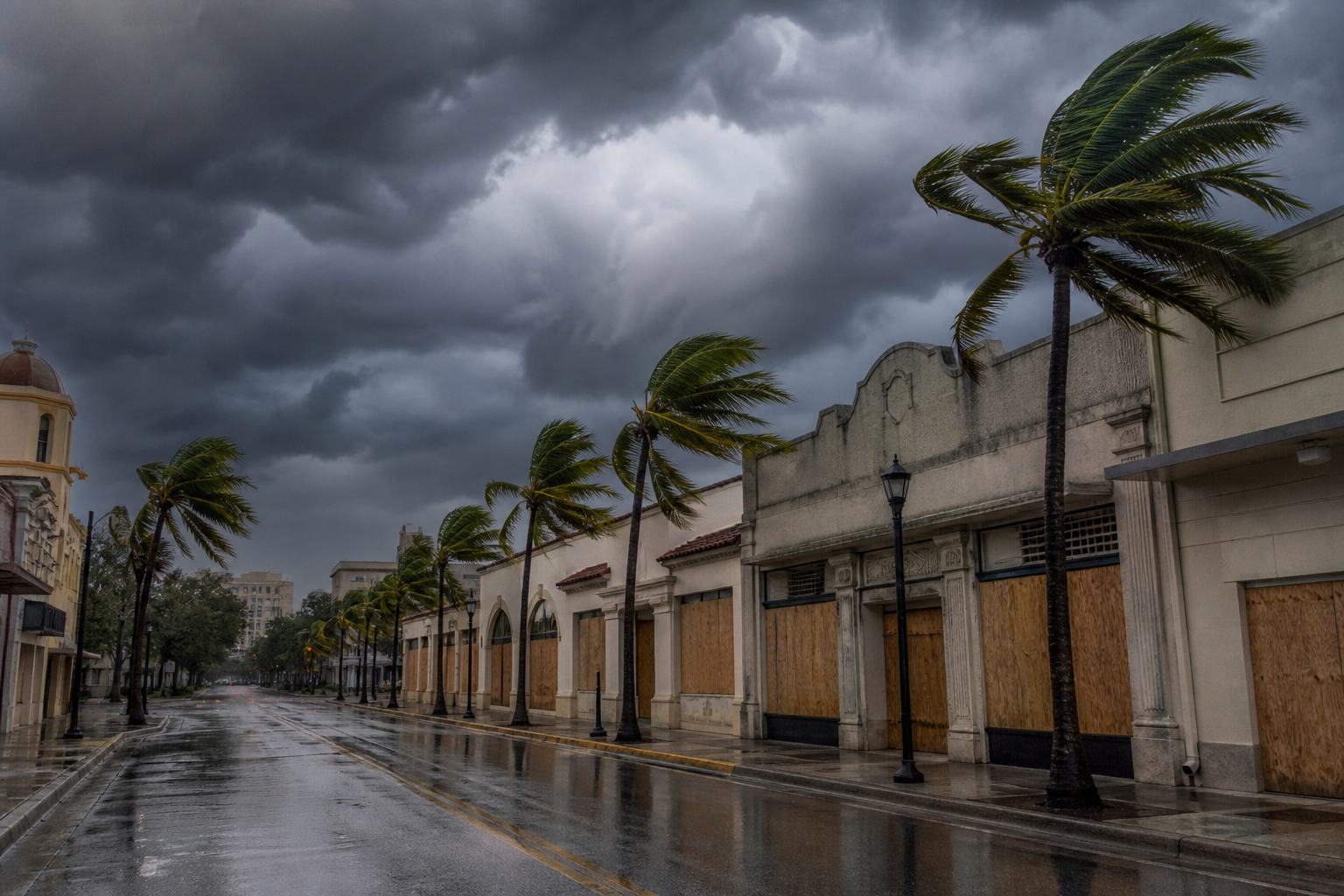
In addition to garage liability insurance, Florida dealerships may also consider additional coverage options such as dealer's open lot insurance. This type of policy protects the vehicles on the dealership lot from risks like theft, vandalism, and weather-related damage. Given Florida's propensity for severe weather, including hurricanes and tropical storms, this coverage can be particularly valuable. Dealerships that invest in comprehensive insurance solutions not only safeguard their assets but also enhance their operational resilience in the face of unforeseen events.
Furthermore, dealerships should be aware of the importance of workers' compensation insurance. This coverage is essential for protecting employees who may suffer injuries while performing their duties, whether in the sales office or on the repair floor. Florida law requires businesses with four or more employees to carry workers' compensation insurance, ensuring that injured workers receive necessary medical care and compensation for lost wages. By prioritizing the safety and well-being of their staff, dealerships can foster a more productive work environment and reduce the risk of costly claims.
For more detailed information on Florida auto dealership insurance requirements,
Auto Dealership Insurance Group provides comprehensive guidance on bonding and coverage essentials.
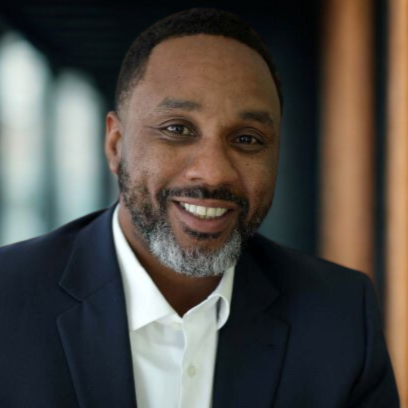
By: Montreal Morand
Founder & Managing Partner
Macpherson Insurance Agency
Special Considerations for Boat Dealerships and Liveries
Boat dealerships and rental businesses in Florida operate under a different set of insurance rules compared to auto dealers. Notably, a recent legislative change has altered insurance obligations for boat liveries. On June 12, 2023, Governor Ron DeSantis signed SB 418, which repealed the insurance requirements for boat liveries. This means that boat rental operators are no longer mandated to carry insurance covering rental customers, a significant shift in liability management for these businesses.
This legislative update reflects the state's recognition of the unique risks and operational realities of boat liveries. While insurance is no longer compulsory for rental coverage, many boat dealers and liveries still choose to maintain liability policies to protect their assets and reputation. The decision to carry insurance remains a strategic one, balancing cost savings against potential exposure to claims.
Boat dealerships should also consider garage liability insurance tailored to marine operations, which can cover repair shops and collision centers associated with their business. This coverage helps manage risks related to property damage and bodily injury during boat servicing or storage. Additionally, the nature of boat operations often involves navigating unpredictable weather conditions and water hazards, which can further complicate liability issues. Therefore, having a robust insurance plan can provide peace of mind and financial security in the event of unforeseen incidents.
Moreover, the implications of SB 418 extend beyond just insurance obligations; they also affect how boat liveries approach customer safety and risk management. With the repeal of mandatory insurance, rental operators may need to implement more stringent safety protocols and customer education programs to mitigate potential liabilities. This could include thorough pre-rental briefings on boat operation, safety equipment usage, and local waterway regulations, ensuring that customers are well-informed and responsible while enjoying their rental experience.
For insights into the implications of SB 418 and marine dealership insurance, the
Marine Retailers Association offers detailed updates and expert perspectives. Additionally, industry seminars and workshops can provide valuable information on best practices for risk management and insurance strategies in the evolving landscape of Florida's boating industry.
Insurance Needs for RV Dealerships in Florida
Recreational vehicle dealerships face their own set of insurance challenges. Like auto dealers, RV dealerships must secure garage liability insurance to cover risks associated with vehicle sales, maintenance, and test drives. Given the size and value of RVs, liability claims can be substantial, making adequate coverage crucial.
RV dealerships often require additional coverage options, such as physical damage insurance for inventory and inland marine coverage for vehicles in transit. These policies protect against theft, vandalism, and damage from weather events, which are common concerns in Florida's climate. Furthermore, with the popularity of RV travel in Florida, especially during peak tourist seasons, dealerships may find themselves with increased foot traffic and a higher volume of test drives, amplifying the need for comprehensive coverage that addresses these unique operational risks.
Location also influences insurance costs for RV dealerships. Urban dealerships may pay higher premiums due to increased exposure to theft and accidents, similar to auto dealerships. Understanding the local risk environment helps dealers tailor their insurance portfolios effectively. Additionally, rural dealerships might face different challenges, such as longer response times for emergency services and the potential for natural disasters like hurricanes, which can lead to significant property damage. As such, RV dealerships must assess their geographic vulnerabilities and consider specialized coverage options, like flood insurance, to safeguard their assets against Florida's unpredictable weather patterns.
Moreover, RV dealerships should also consider the importance of employee-related insurance, including workers' compensation and employment practices liability insurance. With a diverse workforce often engaged in various roles—from sales to maintenance—having robust coverage ensures that both the dealership and its employees are protected against workplace injuries and potential legal claims. As the RV industry continues to grow, staying informed about evolving insurance products and state regulations can help dealerships navigate their unique risks more effectively.
How Location Impacts Dealership Insurance Premiums
Where a dealership operates in Florida significantly affects insurance costs. Urban areas tend to have higher rates of accidents, theft, and vandalism, driving up premiums for dealers located in cities. This trend is consistent across auto, boat, and RV dealerships. The bustling environment of cities attracts not only a larger customer base but also a higher incidence of incidents that can lead to claims, which in turn influences the overall risk profile for insurers.
Insurance providers assess risk based on claims history, crime rates, and traffic density. For example, a dealership in Miami or Tampa may face steeper premiums than one in a rural or suburban area. This geographic risk assessment ensures that insurance pricing aligns with the likelihood of claims. Additionally, factors such as proximity to emergency services, local weather patterns, and even the socio-economic status of the surrounding community can further refine the risk evaluation process, leading to even more nuanced premium calculations.
Dealerships can mitigate some of these risks through security measures such as surveillance systems, gated lots, and employee training. These proactive steps can sometimes lead to lower premiums by demonstrating risk reduction efforts to insurers. Furthermore, implementing comprehensive employee training programs not only enhances security but also fosters a culture of safety and responsibility within the dealership. This can include regular drills, awareness campaigns, and even incentivizing staff to report suspicious activities, all of which contribute to a safer environment and potentially lower insurance costs.
For a deeper dive into how location influences dealership insurance costs,
Auto Dealership Insurance offers valuable analysis and data. Understanding these dynamics can empower dealership owners to make informed decisions about their insurance coverage and risk management strategies, ultimately leading to more sustainable business practices and financial health.
Choosing the Right Coverage for Your Dealership
Selecting the appropriate insurance coverage requires understanding the specific risks your dealership faces. Garage liability insurance is a foundational policy for all dealerships, covering bodily injury and property damage resulting from dealership operations. This coverage is particularly important for protecting against claims from test drives, vehicle repairs, or customer interactions on the lot. Without this essential coverage, a single incident could lead to significant financial losses and legal challenges that could jeopardize the dealership's future.
In addition to garage liability, dealers should consider surety bonds, physical damage coverage, inland marine insurance, and workers' compensation if they employ staff. Each type of coverage addresses different aspects of dealership risk, from financial responsibility to employee safety. For instance, physical damage coverage protects the dealership's inventory against theft or damage, while inland marine insurance is crucial for those who transport vehicles or equipment over land. Understanding these nuances can help dealership owners make informed decisions that not only protect their assets but also enhance their operational efficiency.
Boat dealerships should weigh the recent legislative changes carefully. Although insurance for boat liveries is no longer mandatory, maintaining coverage can safeguard against costly claims and support customer trust. RV dealers must also consider the high value of their inventory and the unique risks posed by large vehicles. The potential for accidents or damage during transport or storage can be significant, making comprehensive coverage a necessity rather than a luxury. Additionally, seasonal fluctuations in demand for boats and RVs can impact cash flow, so having the right insurance can provide a safety net during lean times.
Consulting with an insurance professional who understands Florida’s dealership market can help tailor a policy package that balances cost and protection. This approach ensures compliance with state requirements while addressing the nuances of your specific business. An experienced agent can also help identify any gaps in coverage that might leave your dealership vulnerable, ensuring that you are fully protected against unforeseen events. Furthermore, they can provide insights into emerging risks in the automotive industry, such as cyber threats and changes in consumer behavior, which are increasingly relevant in today’s digital landscape.
For expert guidance on dealership and garage insurance,
DealershipInsurance.com provides specialized resources and advice. Their comprehensive approach includes risk assessment tools and educational materials that empower dealership owners to make strategic decisions about their insurance needs. By leveraging these resources, you can ensure that your dealership is not only compliant but also positioned for growth in a competitive market.
Insurance Cost Overview for Florida Dealerships
| Coverage Type | Typical Monthly Cost | Notes |
|---|---|---|
| Garage Liability Insurance | $90 - $185 | Basic limits for used auto dealerships with favorable ratings |
| Surety Bond | Varies | $25,000 bond required for licensing in Florida |
| Physical Damage Coverage | Varies | Protects inventory from theft, vandalism, and weather damage |
| Inland Marine Insurance | Varies | Covers vehicles in transit or stored off-site |
This overview helps dealerships budget for essential insurance costs, but actual premiums will depend on individual risk factors and coverage limits.
Frequently Asked Questions About Florida Dealership Insurance
Q: Is a surety bond mandatory for all Florida auto dealerships?
A: Yes. Florida requires a $25,000 surety bond as part of the licensing process to protect consumers and ensure compliance
Q: What does garage liability insurance cover?
A: It covers bodily injury and property damage claims arising from dealership operations, including test drives and repairs.
Q: Are boat liveries still required to have insurance in Florida?
A: No. As of June 2023, SB 418 repealed insurance requirements for boat liveries, but many still choose to carry coverage.
Q: Why do urban dealerships pay higher insurance premiums?
A: Urban areas have higher risks of accidents, theft, and vandalism, which increase insurance costs.
Q: Can RV dealerships use the same insurance policies as auto dealerships?
A: They share some coverage types like garage liability, but RV dealers often need additional policies for their unique risks.
Q: How can dealerships lower their insurance premiums?
A: Implementing security measures and maintaining a clean claims history can help reduce premiums.
What to Remember When Insuring Your Florida Dealership
Insurance is more than a regulatory hurdle; it is a strategic tool that protects your dealership’s financial health and reputation. Florida’s requirements, such as the $25,000 surety bond and garage liability insurance, set a baseline for protection. However, each dealership’s needs vary depending on the type of vehicles sold, location, and operational risks.
Boat and RV dealers must pay close attention to legislative changes and the specific risks their inventory and customers present. Staying informed and working with knowledgeable insurance advisors ensures your coverage fits your business and complies with state laws.
Ultimately, the right insurance policy enables you to focus on growing your dealership with confidence, knowing you have a safety net against unforeseen events.
ABOUT THE AUTHOR:
MONTREAL MORAND
With over 20 years of leadership experience in the insurance industry, I’ve dedicated my career to helping clients and agents make informed, confident decisions about their coverage. I’ve led high-performing teams, managed more than $128 million in premium, and earned multiple national awards for excellence. Today, my mission remains the same — to educate, empower, and provide dependable protection for the communities we serve.
Contact Us
Protect the Things That Matter Most
Reliable Coverage for Your Home & Lifestyle
Home Insurance
Protect your home, belongings, and personal liability with reliable coverage.
Stronger Coverage for Your Operations
Essential Protection for Your Company
Coverage built for businesses that depend on people, property, and equipment.
Industries We Support
Insurance for Everyday Local Businesses
Simple, reliable protection for the people who keep our communities running.
Plumbers
Plumbers Insurance
Protection for job-site hazards, tools, and customer property.
Restaurants
Restaurants Insurance
Coverage for fire risks, food inventory, and general liability.
HVAC Contractors
HVAC Contractors Insurance
Insurance for service vehicles, equipment, and installation risks.




Frequently Asked Questions
Helpful Answers to Common Questions
Quick guidance to help you understand your coverage.
What types of insurance does Macpherson Insurance Agency offer?
We provide both personal and commercial insurance solutions. On the personal side: homeowners, automobile, condo, renters, windstorm, flood, excess flood, and more. On the commercial side: general liability, property, inland marine, ocean marine, workers compensation, and more.
Do you specialize in homeowners insurance in South Florida?
Yes. We specialize in homeowners coverage in South Florida and work with multiple carriers based on your property’s age, location and replacement cost.
What does “replacement cost” mean in a policy?
Replacement cost is the cost to rebuild your home to the same standard it had before a loss — not the market value of your property.
Why is it important that my insurer is licensed in Florida?
Licensed Florida insurers are continuously monitored for financial stability — if one fails, the Florida Insurance Guaranty Fund may reimburse insureds for unpaid claims up to a limit.
Can I lower my homeowners premium with discounts?
Yes — mitigation features like impact glass, storm shutters, roof straps, and approved sheathing may qualify you for significant credit reductions.
Do you offer payment plans or premium financing?
Yes. In many cases, payment plans and premium financing are available to make coverage more affordable and manageable over time.
From the Blog
Helpful Tips & Insurance Guidance
Articles created to make insurance easier to understand.





Contact Us
Phone
Location