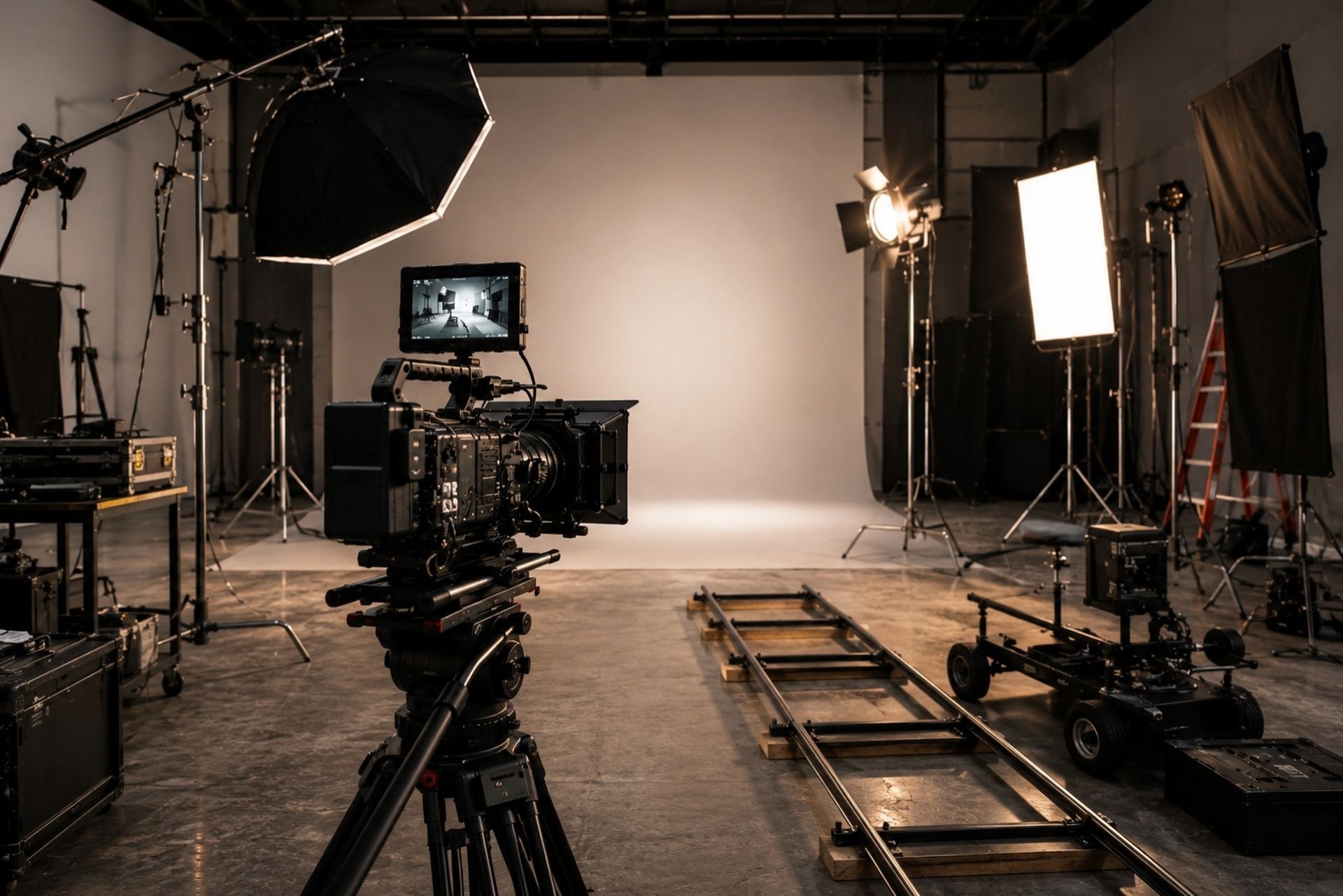
Florida's film and photography industry pulls in billions of dollars annually, with productions ranging from indie documentaries shot in the Everglades to major commercial campaigns along Miami's Brickell waterfront. Yet every production, no matter the size, carries risk. A sudden downpour can destroy rented lighting rigs. A passerby can trip over a cable at a permitted shoot in downtown Orlando. A drone can malfunction over a crowded beach in Fort Lauderdale. These aren't hypothetical scenarios; they're the exact types of claims that Florida-based producers and photographers deal with regularly. Having the right production insurance in Florida isn't optional. It's the foundation that separates a professional operation from one bad day away from financial disaster. Whether you're a solo portrait photographer or a crew of fifty shooting a feature, understanding your coverage options protects your work, your gear, and your livelihood.
Why Florida Productions Need Specialized Coverage
Florida presents a unique mix of opportunity and risk for anyone working behind a camera. The state's year-round sunshine, diverse locations, and generous film incentives attract productions of every scale. But those same appealing conditions come with hazards you won't find in a Los Angeles studio lot or a New York City soundstage.
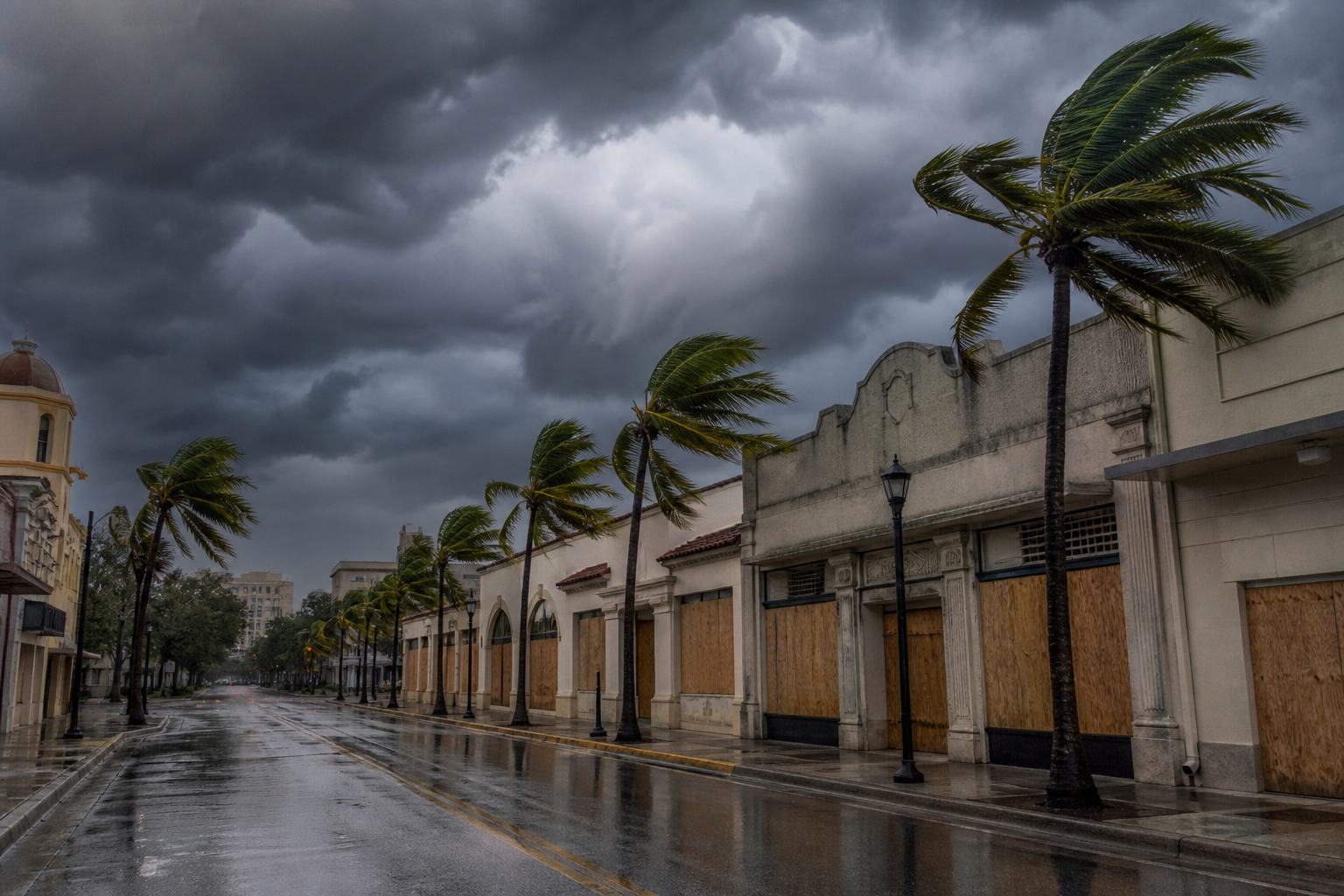
The subtropical climate, hurricane season running June through November, and salt air along 1,350 miles of coastline create environmental threats that standard business policies simply don't account for. A generic commercial policy written for an office-based business won't cover a $40,000 RED camera that corrodes from saltwater exposure during a beach shoot in Destin.
Protecting Expensive Gear from Humidity and Hurricanes
Humidity in Florida regularly exceeds 70%, and that moisture wreaks havoc on camera sensors, lenses, and electronic stabilizers. Fungal growth inside lens elements is a common claim among photographers who store gear in non-climate-controlled spaces. Hurricane-force winds and flooding pose even larger threats during storm season, and standard property policies often exclude wind-driven water damage.
Specialized inland marine or equipment floater policies cover these risks directly. If you're renting a cinema-grade lens package worth $25,000 for a two-week shoot in the Keys, your rental house will almost certainly require proof that you carry equipment coverage with a named peril or all-risk endorsement. Without it, you're personally liable for every dollar of damage.
Meeting State and Local Permitting Requirements
Most Florida municipalities require proof of insurance before issuing a film permit. Miami-Dade County, for example, mandates a minimum of $1 million in general liability coverage for any production shooting on public property. Tampa, Jacksonville, and the Florida Keys have similar requirements, though specific limits and additional insured language vary by jurisdiction.
Film commissions across the state also request certificates of insurance (COIs) naming the city or county as an additional insured. If you can't produce a valid COI, your permit application stalls, and your production timeline suffers. Getting your policy in place before you apply for permits saves weeks of back-and-forth.
By: Montreal Morand
Founder & Managing Partner
Macpherson Insurance Agency
Core Insurance Policies for Film and Photography
Understanding which policies you actually need prevents both overspending and dangerous gaps in coverage. Most productions require a combination of several policy types rather than a single catch-all plan.
General Liability vs. Professional Liability
These two policies cover fundamentally different risks, and confusing them is one of the most common mistakes producers make.
| Feature | General Liability (GL) | Professional Liability (PL) |
|---|---|---|
| What it covers | Bodily injury, property damage to third parties | Errors, omissions, and negligence in your professional services |
| Example claim | A light stand falls on a bystander at a St. Augustine shoot | You accidentally delete a client's wedding footage |
| Typical limits | $1M per occurrence / $2M aggregate | $1M per claim / $1M aggregate |
| Required for permits? | Almost always | Rarely |
| Average annual cost | $400 - $1,200 for small productions | $500 - $1,500 depending on revenue |
General liability is non-negotiable for any production working on location. Professional liability matters most for photographers and videographers delivering client work where a mistake in your service could cause financial harm to the client.
Inland Marine : Coverage for Rented and Owned Equipment
Inland marine insurance is the industry-standard policy for protecting cameras, lenses, lighting, grip equipment, and audio gear. Despite the nautical-sounding name, it covers equipment in transit and on location, not just on water. This policy typically covers theft, accidental damage, and even mysterious disappearance, which is critical if gear vanishes from a production vehicle overnight.
For Florida-based crews, make sure your inland marine policy doesn't exclude hurricane or named-storm damage. Some carriers add wind exclusions in coastal zip codes, and you won't discover the gap until you file a claim after a storm.
Workers' Compensation Laws for Florida Crews
Florida law requires workers' compensation coverage for any business with four or more employees, and the construction industry threshold drops to just one. Film productions often blur this line because crew members may be hired as independent contractors. Here's where operators get caught : if the state determines your "contractor" is actually an employee based on how you direct their work, you're on the hook for workers' comp penalties and any injury claims.
A grip who falls from a
scaffolding rig on set in Wynwood can generate medical bills exceeding $100,000. Workers' comp covers those costs and protects you from lawsuits. Even if you're hiring a small crew of three, carrying this coverage voluntarily is a smart financial decision.
Comparing Short-Term vs. Annual Production Policies
Your shooting schedule should dictate which policy structure makes sense. A wedding photographer booking 30 to 40 events per year benefits from an annual policy that provides continuous coverage. A production company that shoots one commercial per quarter might save money with short-term policies purchased per project.
Short-term production policies, sometimes called "short-term entertainment insurance," can cover a single day or a few weeks. They're popular for indie filmmakers and one-off commercial shoots. Typical costs range from $300 to $800 for a single-day shoot with $1 million in general liability. Annual policies for small to mid-size production companies generally run $2,000 to $6,000 per year, depending on revenue, crew size, and equipment values.
The trade-off is flexibility versus cost efficiency. If you're shooting more than six or seven projects per year, an annual policy almost always costs less per project. Short-term policies also take longer to bind, which can create problems if a client needs a COI within 24 hours.
How Florida's Climate and Laws Shape Your Coverage Needs
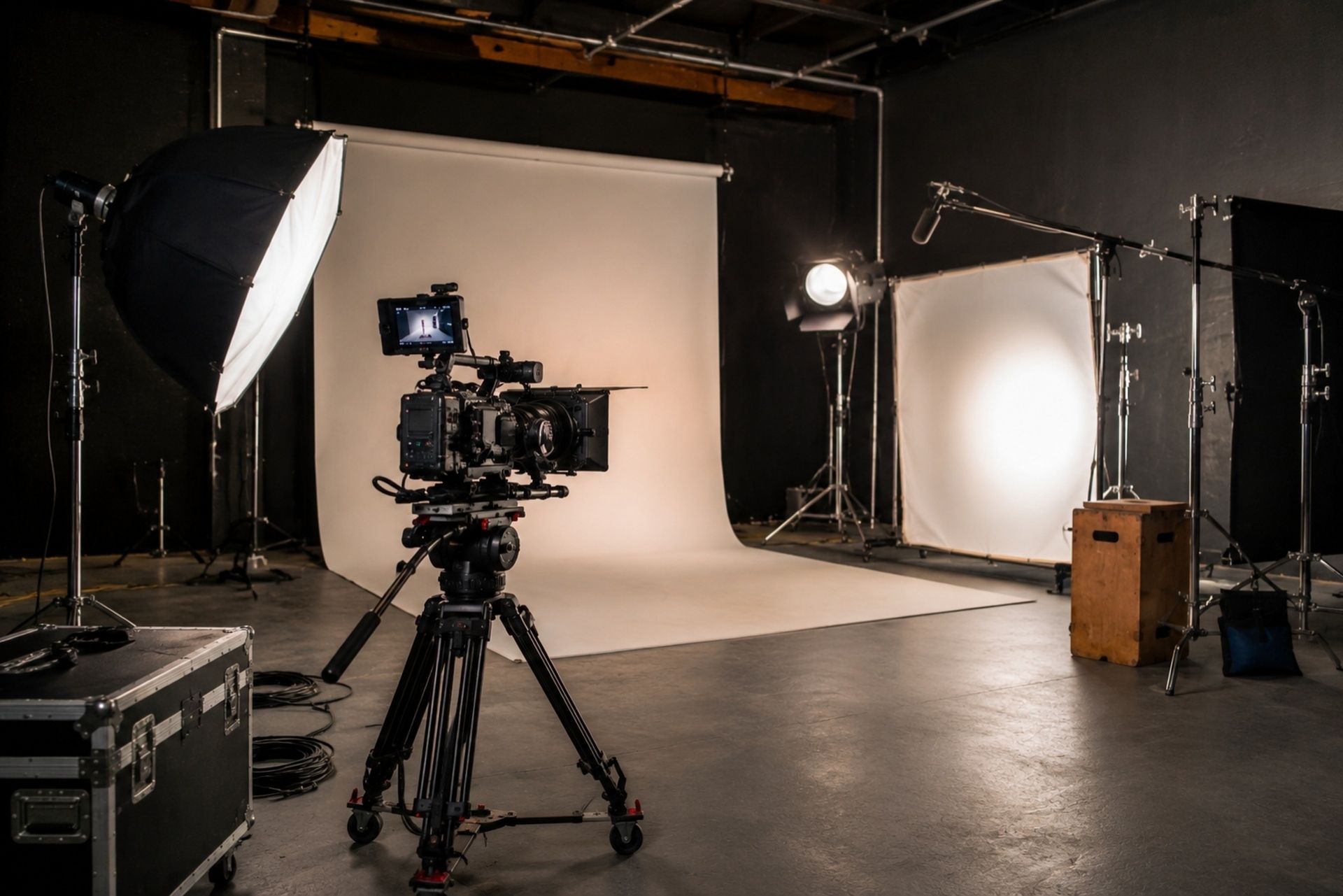
Florida's legal environment affects production insurance just as much as the weather. The state's 2023 tort reform legislation reduced the statute of limitations for negligence claims from four years to two, and it shifted Florida from a pure comparative negligence standard to a modified one with a 51% threshold. For production companies, this means fewer frivolous lawsuits, and some carriers have passed along premium reductions of 8% to 15% as a result.
On the flip side, Florida's assignment of benefits (AOB) reforms and ongoing property insurance market volatility mean that equipment coverage and property-related endorsements remain expensive compared to other states. Producers shooting in hurricane-prone areas like the Keys or the Gulf Coast should budget for higher premiums and consider higher deductibles to manage costs.
Beyond core policies, several endorsements and add-on coverages address risks unique to shooting in Florida.
Weather Cancellation and Postponement Insurance
A rained-out shoot day doesn't just mean wet equipment. It means wasted crew wages, expired location permits, talent scheduling conflicts, and catering costs that don't come back. Weather cancellation insurance reimburses these non-recoverable expenses when documented weather events force you to postpone or cancel.
This coverage is especially relevant for outdoor productions in Florida between June and November. Policies typically require you to specify covered weather events, such as sustained winds above 40 mph, lightning within a defined radius, or rainfall exceeding a set threshold. Premiums depend on the shoot dates, location, and total insured budget, but expect to pay 1% to 3% of your covered production costs.
Errors and Omissions (E&O) for Documentary and Film
E&O insurance protects filmmakers and production companies against claims of copyright infringement, defamation, invasion of privacy, and unauthorized use of a person's likeness. Distributors, streaming platforms, and broadcasters almost universally require E&O coverage before they'll acquire or air your content.
For documentary filmmakers working in Florida, this coverage is essential. Shooting real people in real locations creates constant exposure to privacy and defamation claims. A standard E&O policy with $1 million in coverage typically costs between $3,000 and $8,000 for a single project, depending on the content's subject matter and distribution scope.
Frequently Asked Questions About Production Insurance
How much does a basic one-day production policy cost in Florida?
Expect to pay between $300 and $800 for a single-day general liability policy with $1 million in coverage. Costs increase if you add equipment coverage or need higher liability limits for a specific venue.
Do I need insurance if I am just a solo photographer?
Yes. Even solo photographers face liability exposure. If a client trips over your tripod during a portrait session in a Tampa park, you're personally liable without a GL policy. Many venues and clients also require proof of insurance before booking.
Will my homeowner's insurance cover my camera gear?
Homeowner's policies typically cap business equipment coverage at $2,500 or exclude it entirely. If you own $10,000 or more in camera gear used for professional work, a dedicated inland marine policy is the only reliable option.
What is a COI and why do Florida film offices ask for one?
A COI, or certificate of insurance, is a document proving you carry active coverage. Florida film offices and permit agencies require COIs to confirm you have general liability insurance and that the municipality is named as an additional insured. Your insurance broker can issue one, usually within 24 to 48 hours.
Does production insurance cover drone filming in Florida?
Standard general liability policies exclude drone operations. You need a separate drone liability endorsement or a standalone drone insurance policy. Florida follows FAA Part 107 regulations, and many location owners require $1 million in drone-specific liability coverage before allowing aerial filming on their property.
Before You Buy a Policy
Getting production insurance right in Florida means matching your coverage to your actual risks, not buying the cheapest option and hoping for the best. Start by inventorying every piece of equipment you own or rent. Then list every location type you shoot at, from public parks to private rooftops to open water. These details determine which policies and endorsements you need.
Talk to a broker who specializes in entertainment or production insurance rather than a generalist agent. They'll understand Florida-specific requirements like named-storm exclusions, municipal permit language, and the nuances of covering mixed crews of employees and contractors. Ask them to review your COI requirements before your next permit application so there are no surprises.
Your camera gear, your crew's safety, and your financial stability all depend on the decisions you make before the first frame is shot. Take the time to get your coverage right, and you'll be free to focus on what you actually do best: creating great work.
ABOUT THE AUTHOR:
MONTREAL MORAND
With over 20 years of leadership experience in the insurance industry, I’ve dedicated my career to helping clients and agents make informed, confident decisions about their coverage. I’ve led high-performing teams, managed more than $128 million in premium, and earned multiple national awards for excellence. Today, my mission remains the same — to educate, empower, and provide dependable protection for the communities we serve.
Contact Us
Protect the Things That Matter Most
Reliable Coverage for Your Home & Lifestyle
Home Insurance
Protect your home, belongings, and personal liability with reliable coverage.
Stronger Coverage for Your Operations
Essential Protection for Your Company
Coverage built for businesses that depend on people, property, and equipment.
Industries We Support
Insurance for Everyday Local Businesses
Simple, reliable protection for the people who keep our communities running.
Plumbers
Plumbers Insurance
Protection for job-site hazards, tools, and customer property.
Restaurants
Restaurants Insurance
Coverage for fire risks, food inventory, and general liability.
HVAC Contractors
HVAC Contractors Insurance
Insurance for service vehicles, equipment, and installation risks.




Frequently Asked Questions
Helpful Answers to Common Questions
Quick guidance to help you understand your coverage.
What types of insurance does Macpherson Insurance Agency offer?
We provide both personal and commercial insurance solutions. On the personal side: homeowners, automobile, condo, renters, windstorm, flood, excess flood, and more. On the commercial side: general liability, property, inland marine, ocean marine, workers compensation, and more.
Do you specialize in homeowners insurance in South Florida?
Yes. We specialize in homeowners coverage in South Florida and work with multiple carriers based on your property’s age, location and replacement cost.
What does “replacement cost” mean in a policy?
Replacement cost is the cost to rebuild your home to the same standard it had before a loss — not the market value of your property.
Why is it important that my insurer is licensed in Florida?
Licensed Florida insurers are continuously monitored for financial stability — if one fails, the Florida Insurance Guaranty Fund may reimburse insureds for unpaid claims up to a limit.
Can I lower my homeowners premium with discounts?
Yes — mitigation features like impact glass, storm shutters, roof straps, and approved sheathing may qualify you for significant credit reductions.
Do you offer payment plans or premium financing?
Yes. In many cases, payment plans and premium financing are available to make coverage more affordable and manageable over time.
From the Blog
Helpful Tips & Insurance Guidance
Articles created to make insurance easier to understand.


Contact Us
Phone
Location