
Florida's delivery economy is booming. From prescription medications dropped at doorsteps in The Villages to restaurant orders weaving through Brickell's congested streets, thousands of drivers rely on their personal vehicles to earn a living. But the moment you use your car for
commercial deliveries, your
personal auto policy likely stops protecting you. Insurance designed for courier and last-mile delivery drivers in Florida fills that gap, and understanding it could be the difference between a covered claim and financial ruin. With commercial auto premiums typically ranging from $250 to $650+ per month per vehicle in 2026, knowing what you actually need, and what you can skip, matters more than ever.
Understanding Florida's Courier Insurance Requirements
Florida treats commercial vehicle use differently than personal driving. If you're delivering packages, food, or medical supplies for compensation, you're operating commercially, even if you're using your own Honda Civic. The state requires specific coverage minimums, and your insurer needs to know how you're using the vehicle. Failing to disclose commercial use is one of the fastest ways to get a claim denied.
Personal Auto Policy vs. Commercial Coverage
Your personal auto policy has an exclusion buried in the fine print : it won't cover losses that occur while you're using your vehicle for business purposes. This isn't a technicality insurers occasionally enforce. It's standard practice. If you rear-end someone while delivering a DoorDash order and you only carry personal auto insurance, your insurer can deny the entire claim.
Commercial auto insurance is built for this exact scenario. It covers bodily injury, property damage, and collision losses that happen during paid delivery work. Some drivers assume they can simply add a rider to their personal policy, and while a few carriers do offer hybrid endorsements, most Florida insurers require a standalone commercial policy for regular delivery activity.
State-Specific Minimum Liability and PIP Standards
Florida mandates $10,000 in Personal Injury Protection (PIP) and $10,000 in Property Damage Liability (PDL) for all registered vehicles. But these minimums won't cut it for commercial use. Most delivery contracts and platform agreements require at least $50,000/$100,000 in bodily injury liability and $50,000 in property damage coverage.
PIP covers your own medical expenses regardless of fault, up to the policy limit. That said, $10,000 disappears fast after even a minor accident. Many courier drivers carry $50,000 or more in PIP and add uninsured/underinsured motorist coverage, which is especially smart in a state where roughly one in five drivers is uninsured.

By: Montreal Morand
Founder & Managing Partner
Macpherson Insurance Agency
Essential Coverage Types for Last-Mile Drivers
Beyond basic liability, several coverage types address the specific risks delivery drivers face daily. Skipping any of these can leave a costly gap.
Hired and Non-Owned Auto (HNOA) Liability
If you occasionally rent a vehicle for deliveries or use a car you don't own, HNOA coverage protects you against liability claims arising from those vehicles. This is common among independent contractors who borrow a friend's van during peak season or rent a cargo vehicle for oversized deliveries. Without HNOA, any accident in a non-owned vehicle falls entirely on you.
Cargo and Inland Marine Insurance for Deliveries
You're responsible for the goods in your vehicle until they reach the customer.
Cargo insurance covers loss, theft, or damage to the items you're transporting. Inland marine insurance extends this protection to goods in transit that aren't covered under a standard property policy. If you're delivering electronics, pharmaceuticals, or high-value
retail orders, cargo coverage is essential. A single lost shipment of medical devices could cost more than a year of premiums.
General Liability for Third-Party Property Damage
General liability covers incidents that happen outside your vehicle during the delivery process. Picture this : you're carrying a heavy package to a customer's front door, trip on their walkway, and crash through a glass storm door. Your commercial auto policy won't cover that because you weren't driving. General liability picks up the tab for third-party bodily injury and property damage that occur during your work but aren't vehicle-related.
Unique Risks of the Florida Delivery Landscape
Florida presents a combination of challenges that other states simply don't. The weather, traffic density, and geography create risk factors that directly affect your premiums and coverage needs.
Navigating High-Traffic Urban Hubs like Miami and Tampa
Miami-Dade County consistently ranks among the most dangerous metro areas for drivers in the U.S. Tampa and Orlando aren't far behind. Delivery drivers in these cities face stop-and-go traffic, aggressive lane changes, and distracted drivers at every intersection. The frequency of minor collisions, fender benders, and parking lot incidents is significantly higher than in rural delivery zones.
This urban risk profile means your premiums will reflect your primary delivery area. A driver running routes through downtown Tampa will pay noticeably more than someone delivering in Ocala. Some insurers offer zone-based pricing, so it's worth asking whether your routes qualify for lower-risk classifications during off-peak hours.
Addressing Severe Weather and Flood Related Claims
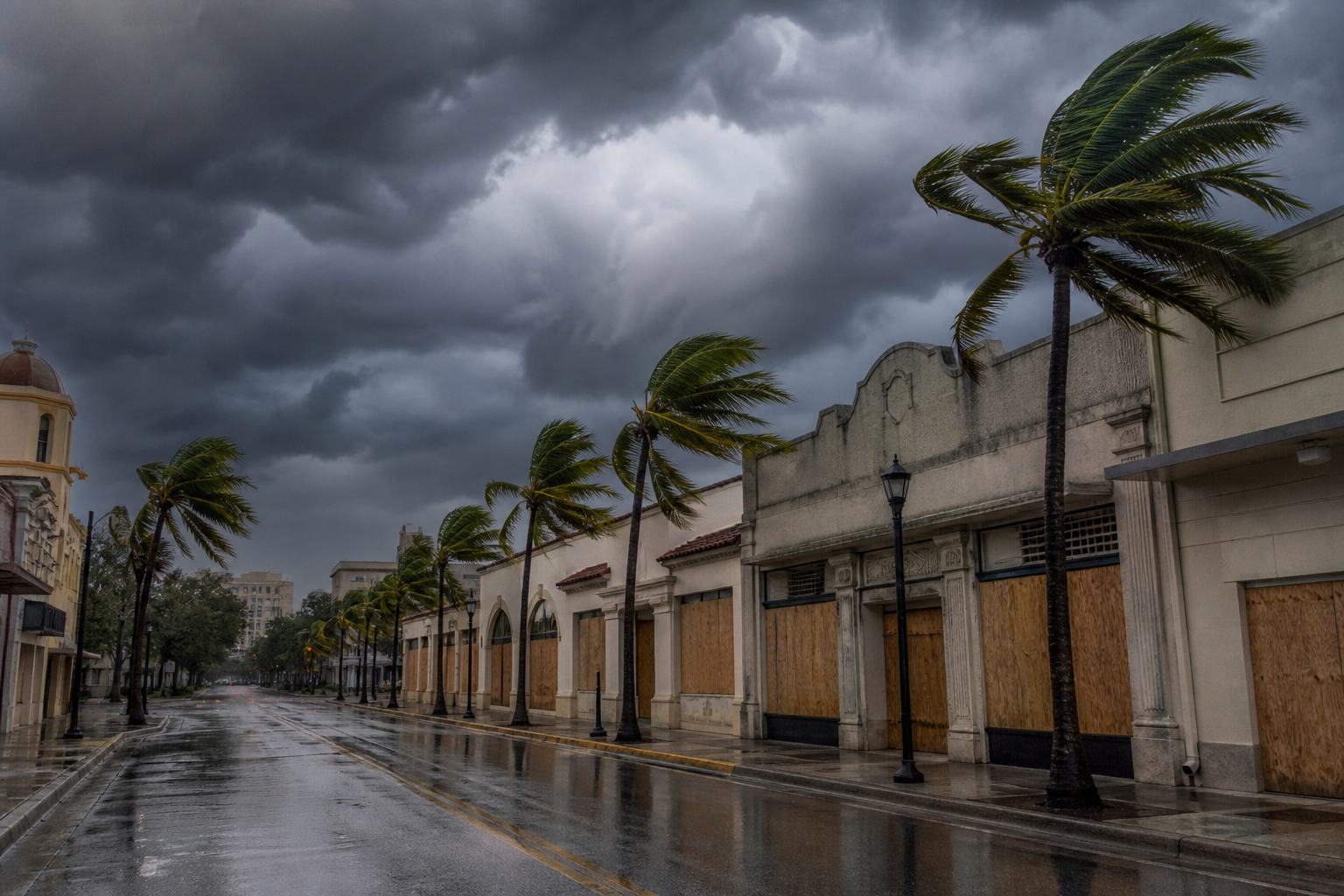
Hurricane season runs from June through November, and Florida's afternoon thunderstorms can drop several inches of rain in under an hour. Flood damage is excluded from standard auto policies, both personal and commercial. You need comprehensive coverage that specifically includes flood-related losses, or a separate flood endorsement.
Here's where drivers get caught : they assume comprehensive coverage handles everything. But some policies exclude rising water damage while covering wind and hail. After Hurricane Milton in 2024 and the continued rebuilding across Southwest Florida, insurers have tightened their flood-related terms. Review your policy's flood language carefully, and don't wait until storm season to find out what's excluded.
Insurance Considerations for Gig Economy and Independent Contractors
The gig economy has reshaped how delivery insurance works. Platform companies provide some coverage, but it's rarely enough.
Platform-Provided Coverage Gaps for App-Based Couriers
Most major platforms like Uber Eats, DoorDash, and Amazon Flex offer some form of liability coverage while you're actively on a delivery. The catch is that this coverage typically activates only during specific phases of the delivery, such as after you've accepted an order and are en route. If you're driving between deliveries or waiting for your next ping, you may have zero coverage from the platform.
| Coverage Phase | Platform Typically Covers? | Your Policy Needed? |
|---|---|---|
| App off, driving home | No | Yes, personal or commercial |
| App on, waiting for order | Rarely | Yes, commercial recommended |
| Over 35,000 lbs | $75,000+ | $500,000 - $1,000,000 |
| Order accepted, en route to pickup | Partial liability only | Yes, for collision and comprehensive |
| Carrying delivery to customer | Usually liability only | Yes, for cargo and GL |
These gaps are where personal financial exposure spikes. A standalone commercial policy or a rideshare/delivery endorsement fills the dead zones that platform coverage ignores.
Occupational Accident Insurance for Self-Employed Drivers
Independent contractors don't qualify for workers' compensation in Florida. If you're injured on the job, whether from a car accident or a slip on a customer's driveway, there's no employer-funded safety net. Occupational accident insurance provides medical expense coverage, disability payments, and accidental death benefits specifically for self-employed workers.
This coverage typically costs between $50 and $150 per month, depending on your benefit limits and deductible. For drivers who depend on delivery income to pay rent, even a two-week injury without coverage can create serious financial strain..
Florida's insurance market is among the most expensive in the country, but there are concrete ways to reduce what you pay.
Telematics and Safety Monitoring Implementation
Telematics devices track your driving behavior : speed, braking patterns, cornering, and idle time. Many commercial insurers offer discounts of 10% to 25% for drivers who install telematics and maintain safe driving scores. Some programs are app-based, so you don't even need additional hardware.
Beyond discounts, telematics data helps you dispute fault in accidents. GPS records and speed logs can prove you weren't speeding or driving erratically, which protects your claims history and keeps future premiums from spiking.
Strategic Deductible Selection and Fleet Management
Raising your deductible from $500 to $1,000 can lower your monthly premium by 15% to 20%. But this only makes sense if you have the cash reserves to cover the higher out-of-pocket cost after a claim. For drivers operating two or more vehicles, fleet policies often cost less per vehicle than individual commercial policies.
A quick checklist for lowering your costs :
- Bundle commercial auto with general liability under one carrier
- Maintain a clean driving record for at least three years
- Complete a defensive driving course approved by your insurer
- Request higher deductibles only if you have emergency savings
- Compare quotes from at least three carriers annually
Choosing the Right Florida Carrier and Policy
Not every insurance company writes commercial delivery policies in Florida. The state's hurricane exposure and high litigation rates have caused several national carriers to pull back from the market. That means your options may be more limited than in other states, and working with an independent agent who specializes in commercial auto can save you hours of dead-end quoting.
When evaluating carriers, look beyond the monthly premium. Check the insurer's AM Best rating for financial stability, read their claims process reviews, and ask about their average claim resolution time. A policy that costs $50 less per month but takes six weeks to process a claim isn't a bargain, it's a liability.
Request a declarations page before you sign anything. This document lists every coverage, limit, and exclusion in plain terms. If your agent can't explain every line on the dec page, find a different agent.
Your next step : pull out your current auto policy and check for commercial use exclusions. If you're delivering for any platform or company without proper coverage, you're one accident away from paying everything out of pocket. Get quotes from at least three carriers, compare the coverage terms side by side, and make sure your policy matches the work you're actually doing on Florida's roads.
Frequently Asked Questions
Does my personal auto insurance cover me while delivering for DoorDash or Uber Eats? Almost certainly not. Personal policies exclude commercial use. You need either a commercial auto policy or a delivery/rideshare endorsement from your current insurer.
How much does commercial auto insurance cost for Florida delivery drivers? Expect to pay between $250 and $650 or more per month per vehicle, depending on your driving record, delivery zone, and coverage limits.
Do I need cargo insurance if I'm only delivering food? It depends on your contract terms and risk tolerance. Food orders are low-value individually, but repeated claims for damaged or lost orders can add up and affect your standing with platforms.
Will a speeding ticket raise my commercial insurance rates? Yes. Moving violations typically increase premiums for three to five years. Commercial policies are especially sensitive to traffic infractions because they signal higher risk during work hours.
Can I get insurance that only covers me during active deliveries? Some insurers offer per-mile or usage-based commercial policies that charge based on when your delivery app is active. These can be cheaper if you only drive part-time.
Is flood damage covered under my commercial auto policy?
Only if your policy includes comprehensive coverage with flood protection. Standard liability-only policies never cover flood damage. Always verify your comprehensive terms before hurricane season.
ABOUT THE AUTHOR:
MONTREAL MORAND
With over 20 years of leadership experience in the insurance industry, I’ve dedicated my career to helping clients and agents make informed, confident decisions about their coverage. I’ve led high-performing teams, managed more than $128 million in premium, and earned multiple national awards for excellence. Today, my mission remains the same — to educate, empower, and provide dependable protection for the communities we serve.
Contact Us
Protect the Things That Matter Most
Reliable Coverage for Your Home & Lifestyle
Home Insurance
Protect your home, belongings, and personal liability with reliable coverage.
Stronger Coverage for Your Operations
Essential Protection for Your Company
Coverage built for businesses that depend on people, property, and equipment.
Industries We Support
Insurance for Everyday Local Businesses
Simple, reliable protection for the people who keep our communities running.
Plumbers
Plumbers Insurance
Protection for job-site hazards, tools, and customer property.
Restaurants
Restaurants Insurance
Coverage for fire risks, food inventory, and general liability.
HVAC Contractors
HVAC Contractors Insurance
Insurance for service vehicles, equipment, and installation risks.




Frequently Asked Questions
Helpful Answers to Common Questions
Quick guidance to help you understand your coverage.
What types of insurance does Macpherson Insurance Agency offer?
We provide both personal and commercial insurance solutions. On the personal side: homeowners, automobile, condo, renters, windstorm, flood, excess flood, and more. On the commercial side: general liability, property, inland marine, ocean marine, workers compensation, and more.
Do you specialize in homeowners insurance in South Florida?
Yes. We specialize in homeowners coverage in South Florida and work with multiple carriers based on your property’s age, location and replacement cost.
What does “replacement cost” mean in a policy?
Replacement cost is the cost to rebuild your home to the same standard it had before a loss — not the market value of your property.
Why is it important that my insurer is licensed in Florida?
Licensed Florida insurers are continuously monitored for financial stability — if one fails, the Florida Insurance Guaranty Fund may reimburse insureds for unpaid claims up to a limit.
Can I lower my homeowners premium with discounts?
Yes — mitigation features like impact glass, storm shutters, roof straps, and approved sheathing may qualify you for significant credit reductions.
Do you offer payment plans or premium financing?
Yes. In many cases, payment plans and premium financing are available to make coverage more affordable and manageable over time.
From the Blog
Helpful Tips & Insurance Guidance
Articles created to make insurance easier to understand.






Contact Us
Phone
Location