Florida has long been a hub for art collectors and enthusiasts, drawing high-net-worth individuals who invest heavily in fine art and valuable collectibles. With the state's unique climate and legal environment, protecting these prized possessions requires more than standard insurance policies. Understanding how fine art and collectibles insurance works in Florida can make the difference between recovering swiftly after a loss and facing prolonged disputes or inadequate coverage.
Recent data shows that in 2025, high-net-worth individuals allocated an average of 20% of their portfolios to fine art collections, a notable increase from 15% in 2024. This surge highlights the growing importance of specialized insurance solutions tailored to these assets
according to The Arts Basel and UBS.
Why Fine Art and Collectibles Need Specialized Insurance in Florida
Fine art and collectibles are not your typical possessions. Their value often appreciates over time, and they require careful handling, storage, and protection. In Florida, the challenges multiply due to environmental risks and the state's legal climate.
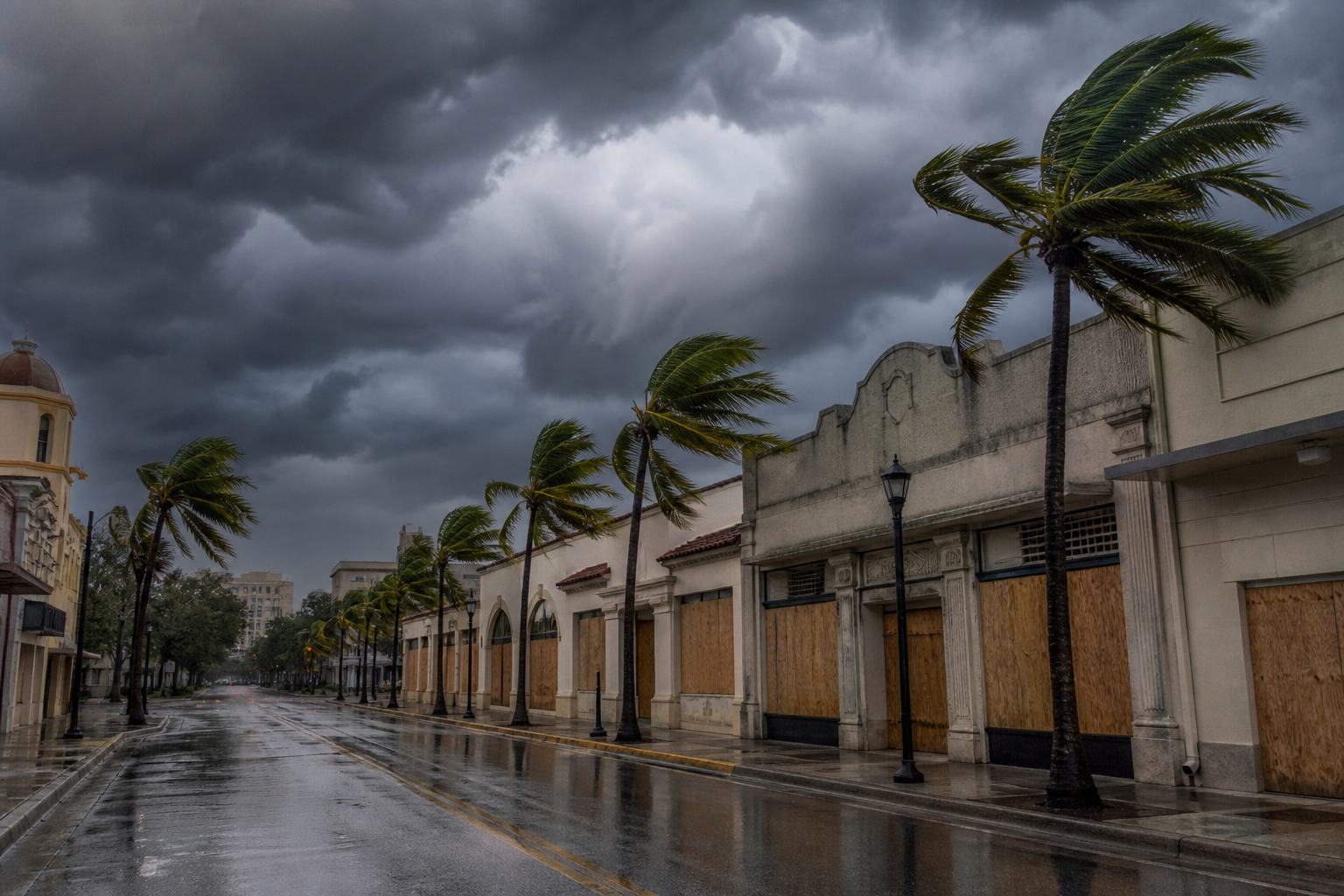
Climate-related perils have become a significant concern. In 2022, nearly 39% of collectible insurance claims were linked to climate-related damage, up from 22% in 2015. Hurricanes, flooding, and humidity can cause irreversible harm to artworks and antiques, making standard homeowners insurance insufficient for these valuable items reports show.
Additionally, Florida’s property insurance market has a complex history, with litigation playing a major role. A 2021 report found that property litigation in Florida accounted for 76% of property-related insurer litigation in the United States. This legal environment can complicate claims and coverage disputes, underscoring the need for clear, comprehensive fine art insurance policies designed to withstand such challenges according to the National Association of Insurance Commissioners.
Environmental Risks and Their Impact
Florida’s tropical climate exposes art collections to moisture, mold, and temperature fluctuations. Even with climate control, the risk of damage remains high during severe weather events. Insurers increasingly factor these risks into their policies, often requiring collectors to implement detailed risk management plans.
Blythe Hogan, Vice President of Arts & Collections at Aon Private Risk Management, emphasizes that insurers now expect more than just alarms and security systems. They want actionable, written emergency plans that can be immediately implemented during a crisis. This proactive approach can reduce losses and speed up recovery after an incident Hogan explains.
Moreover, the unique nature of fine art and collectibles necessitates specialized knowledge from insurers. Unlike standard property, the valuation of art can be subjective and influenced by market trends, artist reputation, and provenance. As such, collectors are encouraged to work with appraisers who understand the nuances of the art market to ensure that their items are adequately insured. This collaboration not only helps in determining the right coverage limits but also provides a safeguard against potential disputes during claims processing.
In addition to environmental and legal challenges, collectors must also consider the risks associated with transportation and display. Moving valuable pieces for exhibitions or shows can expose them to damage from mishandling or inadequate packing. Insurers often recommend that collectors use specialized art transport services that understand the intricacies of handling fragile items, further emphasizing the importance of tailored insurance solutions that address the specific risks associated with fine art and collectibles.

By: Montreal Morand
Founder & Managing Partner
Macpherson Insurance Agency
Understanding Coverage Options for Fine Art and Collectibles
Fine art insurance policies differ significantly from standard property insurance. They are designed to cover a wide range of risks, including accidental damage, theft, mysterious disappearance, and transit coverage when artworks are moved or loaned.
In Florida, collectors must carefully consider the scope of coverage. Policies often include:
- All-risk coverage: Protects against most causes of loss except those specifically excluded.
- Agreed value coverage: Ensures the insured value is agreed upon upfront, avoiding disputes during claims.
- Worldwide coverage: Essential for collectors who travel or loan pieces internationally.
- Transit insurance: Covers artworks in transit, a vulnerable time for damage or theft.
Given Florida’s exposure to natural disasters, many collectors also add flood and hurricane endorsements to their policies. These additions can be critical since typical homeowners policies often exclude such perils. Furthermore, collectors should be aware that the unique nature of fine art means that even minor damage can significantly affect an artwork's value, making comprehensive coverage not just a precaution, but a necessity.
Additionally, collectors should consider the importance of regular appraisals to ensure their pieces are accurately valued over time. Engaging with certified appraisers can help maintain the integrity of the collection's worth, especially in a fluctuating market. This proactive approach not only aids in securing the right coverage but also enhances the collector's understanding of their investments.
Digital Transformation in Fine Art Insurance
The fine art insurance market is undergoing rapid digital transformation. Over 65% of insurers deployed digital platforms in 2024 to streamline policy issuance and claims workflows. This shift allows collectors and brokers to manage policies more efficiently and access real-time updates on claims and valuations IndustryResearch.biz reports.
Digital platforms also enhance transparency, making it easier to track coverage details and ensure that appraisals are up to date. This is crucial as art values can fluctuate, and outdated valuations can lead to underinsurance. Moreover, the integration of advanced technologies such as artificial intelligence and machine learning is beginning to reshape how insurers assess risk and determine premiums. By analyzing vast amounts of data, these technologies can help identify trends in theft or damage, enabling insurers to tailor policies that better meet the specific needs of collectors.
Furthermore, many digital platforms now offer educational resources and tools that empower collectors to better understand their insurance options. Webinars, articles, and interactive tools provide invaluable insights into the nuances of fine art insurance, helping collectors make informed decisions about their coverage. This level of engagement not only fosters a more knowledgeable collector base but also strengthens the relationship between insurers and their clients, creating a more supportive environment for art enthusiasts navigating the complexities of insuring their valuable collections.
Florida’s Property Insurance Market and Its Effect on Art Insurance
Florida’s property insurance market has seen significant changes recently. After years of losses, the market reported its first underwriting profit in eight years in 2024. This turnaround is partly due to legal reforms and improved risk management strategies AM Best highlights.
Randy Fuller, Head of North America Property Center of Excellence and Florida Segment Leader at Guy Carpenter, notes that reinsurance pricing is coming down in Florida. Under previous legal conditions, reinsurers priced in a higher risk, which increased premiums. The current environment offers more stability and potentially lower costs for collectors seeking fine art insurance Fuller explains.
Implications for Collectors
This market recovery means collectors may find more competitive rates and better terms for their policies. Still, it remains vital to work with insurers specializing in fine art and collectibles to ensure coverage matches the unique risks of these assets.
Collectors should also be aware that while insurance prices may stabilize, the value of their collections can grow rapidly. A 2023 survey found that 41% of Fortune 500 companies maintain collectible portfolios exceeding $10 million, underscoring the scale of assets requiring protection pmarketresearch.com reveals.
Moreover, the recent shifts in Florida's property insurance landscape have broader implications for the art market itself. As insurance becomes more accessible and affordable, collectors may feel more empowered to invest in higher-value pieces, knowing that they can secure adequate protection. This could lead to a resurgence in the art market, with more transactions and higher prices as collectors seek to diversify their portfolios. Additionally, galleries and auction houses may also benefit from this trend, as increased collector confidence could translate to higher attendance at events and more competitive bidding.
It is also essential for collectors to stay informed about the evolving nature of art valuation and insurance policies. As the market fluctuates, the criteria for assessing the value of artworks can change, influenced by trends in the art world and economic conditions. Engaging with appraisers who understand these dynamics can help collectors ensure that their insurance coverage reflects the true value of their collections, thus safeguarding their investments against unforeseen events such as theft, damage, or natural disasters.

Risk Management Strategies for Protecting Fine Art in Florida
Insurance is only one part of protecting fine art and collectibles. Effective risk management reduces the likelihood of loss and can lower insurance costs. Collectors should consider several strategies:
- Environmental controls: Maintain stable temperature and humidity levels to prevent deterioration.
- Security systems: Invest in alarms, surveillance, and controlled access to storage areas.
- Emergency response plans: Develop written procedures for protecting and evacuating collections in case of natural disasters or other emergencies.
- Regular appraisals: Update valuations to reflect current market conditions and ensure adequate coverage.
Insurers increasingly require documented emergency plans as part of underwriting. These plans should be actionable and reviewed regularly to adapt to changing risks. Blythe Hogan stresses that having such plans can be a decisive factor in underwriting decisions Hogan advises.
In addition to the strategies mentioned, collectors should also consider the use of climate-controlled storage facilities, especially in Florida's humid environment. These facilities not only help in maintaining optimal conditions for artworks but also provide an extra layer of security. Furthermore, collectors can benefit from joining local art organizations or networks that offer resources and support for risk management. Engaging with fellow collectors can provide insights into best practices and emerging threats, fostering a community of shared knowledge and vigilance.
Handling Claims and Litigation Risks
Given Florida’s history of property litigation, collectors should prepare for potential disputes. Clear documentation of ownership, appraisals, and communications with insurers is essential. Working with legal and insurance professionals experienced in art claims can help navigate complex situations. Additionally, collectors may want to consider establishing a relationship with a reputable art advisor who can provide guidance on both acquisition and risk management strategies, ensuring that their collections are not only valuable but also well-protected.
Moreover, understanding the legal landscape surrounding art ownership and insurance in Florida is crucial. With the state's unique laws and regulations, collectors may face challenges that require specialized knowledge. Regularly attending workshops or seminars focused on art law can empower collectors to make informed decisions and stay ahead of potential legal issues. This proactive approach not only safeguards their investments but also enhances their overall appreciation and enjoyment of fine art.
What Collectors Should Look for When Choosing Fine Art Insurance
Choosing the right insurance policy involves more than comparing premiums. Collectors should evaluate:
- Specialist expertise: Insurers with experience in fine art understand the nuances and can tailor coverage accordingly.
- Claims handling reputation: Fast, fair claims processing is critical when valuable items are damaged or lost.
- Policy flexibility: Ability to adjust coverage as collections grow or change.
- Risk management support: Some insurers offer resources and guidance to help reduce risks.
With the fine art market evolving and Florida’s unique challenges, partnering with knowledgeable brokers and insurers ensures collectors get the protection they need. Additionally, collectors should consider the geographical coverage of their policy, especially if they travel frequently with their art or exhibit it in different locations. Understanding how coverage applies in various jurisdictions can prevent unexpected gaps in protection. Furthermore, the inclusion of specific clauses that address environmental risks, such as hurricanes or flooding, is particularly pertinent for Florida residents, where such events can pose a significant threat to valuable collections.
Another important factor is the valuation process of the artwork. Collectors should inquire whether the insurer offers appraisals and how often they recommend updating valuations to reflect market changes. This is vital, as the art market can fluctuate dramatically, and having an accurate assessment ensures that collectors are adequately covered in the event of a loss. Some insurers also provide access to a network of appraisers and art experts, which can be invaluable for collectors looking to maintain the integrity and value of their collections over time.
Frequently Asked Questions
Q: Does homeowners insurance cover fine art in Florida?
A: Standard homeowners policies typically have limited coverage for fine art and collectibles. Specialized insurance is recommended to fully protect these assets. Fine art can be particularly vulnerable to damage from environmental factors, theft, or even accidental harm during everyday activities. Therefore, seeking a policy that specifically caters to the unique needs of art collectors is crucial. This may include coverage for restoration costs, loss of value due to damage, and even coverage for artworks in transit.
Q: How often should I update appraisals for my art collection?
A: It is advisable to update appraisals every two to three years or after significant market changes to ensure accurate coverage. The art market can fluctuate significantly, influenced by trends, artist popularity, and economic conditions. Regular appraisals not only help in maintaining appropriate insurance coverage but also provide insights into the investment potential of your collection. Engaging with a certified appraiser who specializes in your type of art can offer valuable guidance on market trends and valuation adjustments.
Q: What risks are unique to Florida for art collectors?
A: Florida’s climate poses risks like humidity, hurricanes, and flooding. The state’s legal environment also increases litigation risks related to insurance claims. Humidity can lead to mold growth and deterioration of artworks, particularly those on paper or canvas. Additionally, hurricanes can cause physical damage to homes and collections, making it essential for collectors to have a robust disaster preparedness plan in place. Understanding local regulations and working with legal experts can also help mitigate risks associated with potential disputes over insurance claims.
Q: Can I insure art while it is being transported?
A: Yes. Transit insurance is available to cover artworks during shipping, loaning, or moving between locations. This type of insurance is vital for collectors who frequently exhibit their pieces or lend them to galleries. It typically covers loss, theft, and damage that may occur during transit, ensuring that your investment remains protected. When arranging transportation, it's also wise to work with reputable art handlers who understand the specific requirements for safely moving valuable artworks.
Q: What should an emergency plan for art collections include?
A: It should outline steps for protecting, evacuating, and recovering artworks during crises, including contact information and roles for involved personnel. An effective emergency plan may also incorporate specific guidelines for handling different types of artworks, such as paintings, sculptures, and installations. Additionally, having a digital inventory of your collection, complete with photographs and appraisals, can expedite recovery efforts and insurance claims in the event of a disaster. Regular drills and updates to the plan can ensure that all parties are prepared and aware of their responsibilities during an emergency.
Q: Are digital platforms changing how art insurance works?
A: Yes. Many insurers now use digital tools to simplify policy management, claims processing, and valuation tracking. These platforms allow collectors to easily access their policy details, submit claims online, and receive real-time updates on their coverage. Furthermore, advancements in technology, like blockchain, are beginning to play a role in provenance tracking, helping to establish the authenticity and ownership history of artworks. This digital evolution not only streamlines administrative tasks but also enhances transparency and security within the art insurance market.
Before You Go
Fine art and collectibles in Florida face distinct risks that demand specialized insurance and proactive risk management. With the market shifting and environmental challenges increasing, staying informed and prepared is essential. Leveraging expert insurers, maintaining updated appraisals, and having clear emergency plans can safeguard your collection and peace of mind.
As the fine art insurance market evolves, especially with digital advancements and Florida’s improving property insurance landscape, collectors have more tools than ever to protect their investments effectively.
ABOUT THE AUTHOR:
MONTREAL MORAND
With over 20 years of leadership experience in the insurance industry, I’ve dedicated my career to helping clients and agents make informed, confident decisions about their coverage. I’ve led high-performing teams, managed more than $128 million in premium, and earned multiple national awards for excellence. Today, my mission remains the same — to educate, empower, and provide dependable protection for the communities we serve.
Contact Us
Protect the Things That Matter Most
Reliable Coverage for Your Home & Lifestyle
Home Insurance
Protect your home, belongings, and personal liability with reliable coverage.
Stronger Coverage for Your Operations
Essential Protection for Your Company
Coverage built for businesses that depend on people, property, and equipment.
Industries We Support
Insurance for Everyday Local Businesses
Simple, reliable protection for the people who keep our communities running.
Plumbers
Plumbers Insurance
Protection for job-site hazards, tools, and customer property.
Restaurants
Restaurants Insurance
Coverage for fire risks, food inventory, and general liability.
HVAC Contractors
HVAC Contractors Insurance
Insurance for service vehicles, equipment, and installation risks.




Frequently Asked Questions
Helpful Answers to Common Questions
Quick guidance to help you understand your coverage.
What types of insurance does Macpherson Insurance Agency offer?
We provide both personal and commercial insurance solutions. On the personal side: homeowners, automobile, condo, renters, windstorm, flood, excess flood, and more. On the commercial side: general liability, property, inland marine, ocean marine, workers compensation, and more.
Do you specialize in homeowners insurance in South Florida?
Yes. We specialize in homeowners coverage in South Florida and work with multiple carriers based on your property’s age, location and replacement cost.
What does “replacement cost” mean in a policy?
Replacement cost is the cost to rebuild your home to the same standard it had before a loss — not the market value of your property.
Why is it important that my insurer is licensed in Florida?
Licensed Florida insurers are continuously monitored for financial stability — if one fails, the Florida Insurance Guaranty Fund may reimburse insureds for unpaid claims up to a limit.
Can I lower my homeowners premium with discounts?
Yes — mitigation features like impact glass, storm shutters, roof straps, and approved sheathing may qualify you for significant credit reductions.
Do you offer payment plans or premium financing?
Yes. In many cases, payment plans and premium financing are available to make coverage more affordable and manageable over time.
From the Blog
Helpful Tips & Insurance Guidance
Articles created to make insurance easier to understand.






Contact Us
Phone
Location