
Insurance costs for multifamily properties in Florida have surged dramatically, reshaping the landscape for apartment owners and investors. Over the past two years, premiums have climbed by 150%, jumping from $800 to $2,000 per unit. This steep rise reflects deeper challenges tied to climate risks and market instability, making it crucial for property owners to understand what drives these costs and how to navigate the evolving insurance environment. For those managing or investing in Florida’s multifamily housing, grasping the nuances of insurance coverage and market trends is no longer optional-it’s essential.
Matthews Real Estate Investment Services provides detailed insights into these operational cost shifts.
Why Are Insurance Costs Soaring for Florida Apartment Complexes?
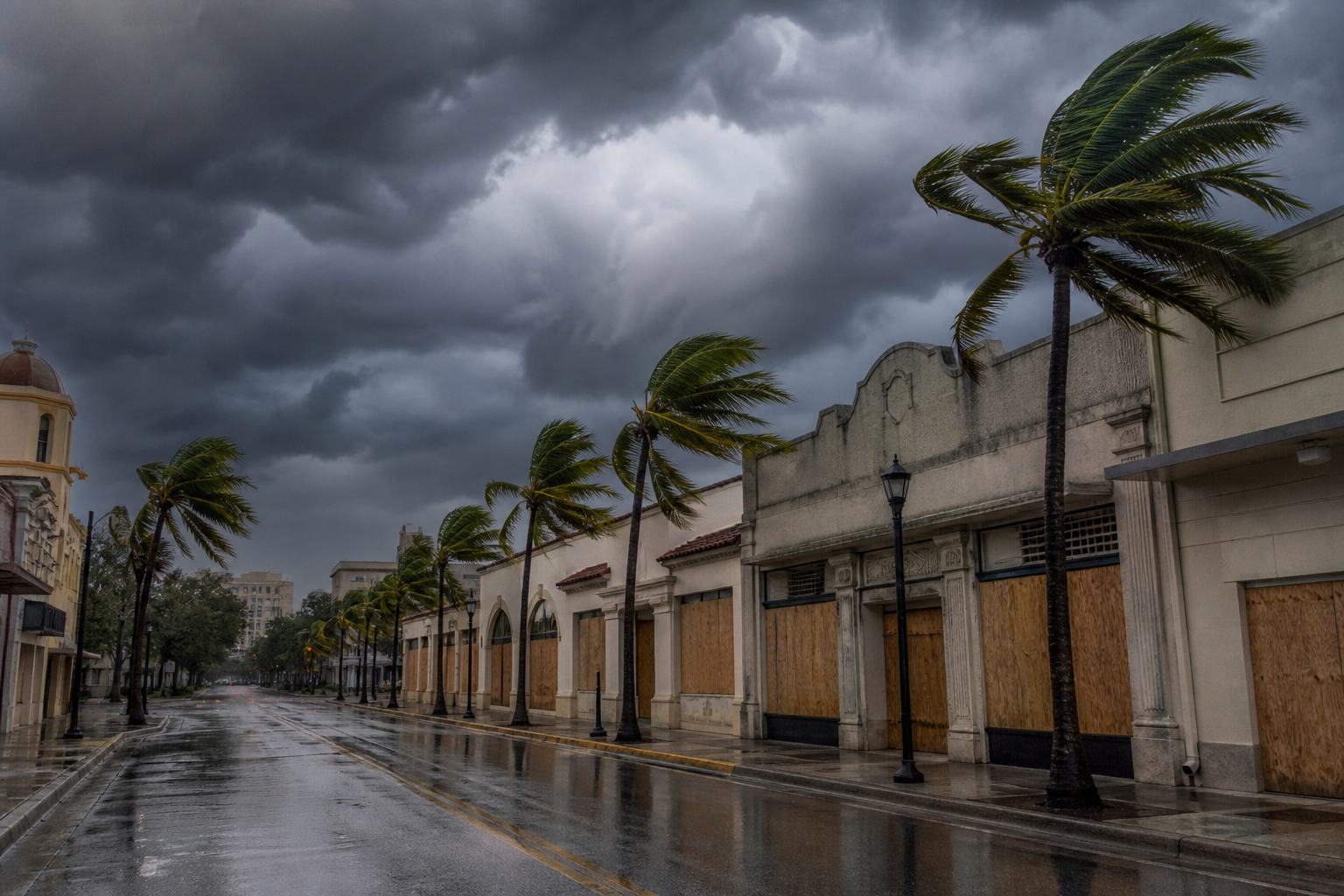
Florida’s insurance market has been under intense pressure, largely due to climate-related risks. Hurricanes, flooding, and severe storms have increased the frequency and severity of claims, pushing insurers to raise rates or withdraw from the market altogether. This has created a supply crunch, driving premiums higher for multifamily properties.
Experts describe this situation as more than just a market fluctuation. One analyst from Deep Sky Research calls Florida’s insurance crisis “the financial system’s early warning of climate catastrophe.” This highlights how the insurance industry is often the first to feel the economic impact of environmental changes. For apartment owners, this means insurance is no longer just a routine cost-it’s a reflection of broader climate risks that can affect property values and investment returns.
The impact extends beyond premiums. Rising insurance costs have contributed to a 6.8% decline in multifamily property values in Florida since late 2019, nearly double the national average decline of 3.6%. This trend underscores how insurance expenses are directly influencing real estate market dynamics, particularly in vulnerable regions. CBRE’s industry report sheds light on these valuation impacts.
Market Withdrawal and Policy Declines
Another challenge is the sharp reduction in the number of active home insurance policies in Florida, which fell by 78% over the last decade. This decline reflects insurers’ reluctance to underwrite new policies in a high-risk environment, pushing more property owners toward residual markets or self-insurance options. For multifamily complexes, this means fewer insurance providers and less competition, which further inflates prices and limits coverage options.
Moreover, the tightening insurance landscape has prompted many apartment complex owners to reassess their risk management strategies. Some are investing in enhanced building materials and retrofitting structures to withstand extreme weather events, while others are exploring alternative insurance models, such as captives or risk pools, to mitigate costs. This shift not only affects the financial planning of property owners but also influences the overall market, as those who cannot afford the increased costs may be forced to sell or abandon their properties, further destabilizing the housing market.
Additionally, the rising costs of insurance are impacting tenant affordability. As landlords face increased expenses, many are compelled to pass these costs onto renters, leading to higher rents. This situation exacerbates the already critical housing affordability crisis in Florida, where many residents are struggling to find affordable housing options. The interplay between insurance costs and rental prices creates a complex challenge for policymakers, who must navigate the delicate balance of ensuring adequate housing while addressing the escalating risks posed by climate change.


By: Montreal Morand
Founder & Managing Partner
Macpherson Insurance Agency
Understanding the Types of Insurance for Multi-Unit Apartment Complexes
Insurance for multifamily apartment complexes typically involves several layers of coverage. Property owners need to protect the physical building, common areas, liability exposures, and sometimes even loss of rental income. Each of these components plays a critical role in managing risk and ensuring financial stability.
Property Insurance
This coverage protects the building itself and any attached structures from damage caused by fire, storms, vandalism, and other perils. Given Florida’s exposure to hurricanes and flooding, property insurance premiums tend to be higher here than in many other states. The recent doubling of condo association insurance costs—from $72,570 to $147,381 over two years—illustrates how climate risks are driving up property-related insurance expenses even further. The Florida Office of Insurance Regulation provides updated data on these increases. Additionally, property insurance policies may also include coverage for equipment breakdowns, which can be particularly beneficial for complexes with central heating and cooling systems, elevators, or other critical infrastructure. This aspect of coverage ensures that property owners are not left with hefty repair bills that could disrupt their operations and financial planning.
Liability Insurance
Liability coverage protects property owners against claims arising from injuries or damages occurring on the premises. This is vital for apartment complexes where common areas and shared facilities create multiple points of exposure. Liability claims can be costly and complex, so adequate coverage is necessary to avoid financial setbacks. Furthermore, it’s important for property owners to consider the potential for claims related to tenant activities, such as parties or gatherings that could lead to accidents. Some insurance policies even offer additional endorsements for specific events or activities, allowing property owners to tailor their coverage to the unique risks associated with their tenant demographics and property features.
Loss of Income Coverage
Also known as business interruption insurance, this protects owners from lost rental income if the property becomes uninhabitable due to a covered peril. In Florida, where hurricanes can cause extended outages, this coverage helps stabilize cash flow during recovery periods. Moreover, this type of insurance can also cover ongoing expenses, such as mortgage payments and maintenance costs, even when the property is not generating income. This aspect is crucial for property owners who rely heavily on rental income to meet their financial obligations. Additionally, some policies may offer coverage for civil authority interruptions, which can occur if local governments impose restrictions following a disaster, further safeguarding the owner’s financial interests during unexpected events.
How Recent Market Changes Affect Insurance Availability and Pricing
Florida’s insurance market is showing early signs of recovery, but challenges remain. In 2024, the personal property insurance segment reported its first underwriting profit in eight years, signaling a possible turnaround. This shift is partly due to private insurers re-entering the market and more competitive rate adjustments. For example, Citizens Property Insurance Corporation announced a 5.6% average statewide rate reduction and saw its policy count drop below 1 million as private companies took on more risk. This development offers some relief but does not eliminate the underlying risks driving high premiums. AM Best’s report covers these recent trends in detail.
Still, multifamily property owners should expect continued volatility. Industry leaders emphasize that climate change economics are now embedded in insurance pricing. Willy Walker, CEO of Walker & Dunlop, points out that ignoring these factors means missing critical risks that affect property investments. His insights highlight the importance of proactive risk management in this environment. As severe weather events become more frequent and intense, the ramifications for property insurance are profound. Insurers are increasingly using advanced modeling techniques to assess risk, which can lead to more accurate pricing but also to higher premiums for properties deemed at greater risk.
In addition to climate-related factors, the economic landscape plays a significant role in shaping insurance availability. Inflationary pressures have led to increased costs for construction materials and labor, which in turn affects the overall risk profile of properties. This means that even as the insurance market shows signs of recovery, property owners must remain vigilant about maintaining their buildings and mitigating risks. Regular inspections, maintenance, and upgrades not only help in securing better insurance rates but also enhance the long-term value of the properties. The interplay between market dynamics and property management strategies will be crucial for owners navigating this complex landscape.
Strategies for Managing Rising Insurance Costs
Given the upward pressure on premiums, multifamily property owners can take several steps to manage costs effectively:
- Invest in Risk Mitigation: Strengthening building resilience to storms, such as installing hurricane shutters or upgrading roofing materials, can reduce insurance premiums.
- Shop Around: With some private insurers returning, comparing quotes and coverage terms can uncover better deals.
- Increase Deductibles: Accepting higher deductibles can lower premium costs, though it requires readiness to cover more out-of-pocket expenses after a claim.
- Bundle Policies: Combining property, liability, and other coverages with a single insurer may yield discounts.
Moreover, property owners should consider engaging with insurance brokers who specialize in multifamily housing. These professionals can provide tailored advice and insights into emerging trends, helping owners navigate the complexities of the insurance landscape. Additionally, participating in risk management programs or workshops can equip owners with the knowledge to implement best practices in property maintenance and disaster preparedness. By taking a proactive stance, multifamily property owners can not only safeguard their investments but also contribute to a more stable insurance market in the long run.

The Broader Impact on Florida’s Multifamily Housing Market
Insurance cost increases are not isolated to premiums alone—they ripple through the entire multifamily housing market. Higher operating expenses reduce net operating income, which in turn depresses property values. The 6.8% decline in Florida multifamily property values since late 2019 is a clear example. This decline is steeper than the national average, reflecting the compounded effects of insurance costs and climate risks on investor confidence. As the market grapples with these challenges, potential buyers may become more cautious, leading to a slowdown in transactions and further exacerbating the downward pressure on prices.
Owners and investors must factor these trends into their financial planning. Properties with outdated risk management or insufficient insurance may face challenges securing financing or attracting tenants. Conversely, those that proactively address insurance and climate risks position themselves better for long-term stability. This proactive approach could include investing in sustainable building practices, enhancing property resilience to climate events, or even engaging in community initiatives that bolster the overall appeal of the area. By doing so, property owners not only safeguard their investments but also contribute to a more robust housing market.
Insurance Trends Affecting Condo Associations
Condo associations in Florida have also felt the squeeze, with insurance costs more than doubling in just two years. This surge affects association fees and can strain budgets, especially for older buildings requiring significant repairs. The Florida Office of Insurance Regulation’s data shows how widespread and rapid these increases are, underscoring the need for associations to explore risk reduction and alternative insurance options. Many associations are now considering bulk purchasing strategies or partnerships with risk management consultants to mitigate these soaring costs.
Moreover, the impact of rising insurance costs on condo associations extends beyond financial strain; it also affects community dynamics. As fees increase, some residents may find it difficult to keep up with payments, leading to potential conflicts within the community. Additionally, the need for extensive repairs may prompt discussions about special assessments, which can further divide residents. To navigate these challenges, associations are encouraged to foster open communication among members and prioritize transparency in financial decision-making. This collaborative approach not only helps in managing costs but also strengthens community ties, ensuring that residents feel invested in the future of their homes.
What Apartment Owners Need to Know Moving Forward
Florida’s multifamily insurance market is evolving amid significant challenges. Rising premiums, limited insurer participation, and climate-driven risks are reshaping the cost and availability of coverage. However, recent signs of market stabilization offer cautious optimism.
Owners should stay informed about market developments and maintain open communication with insurance professionals who understand Florida’s unique risks. Proactive risk management, combined with strategic insurance purchasing, can help mitigate costs and protect investments. This includes exploring options such as bundling policies for better rates, investing in property upgrades that enhance resilience against climate events, and participating in community initiatives aimed at risk reduction.
Understanding the complex interplay of climate risks, insurance market dynamics, and property management is key to navigating this environment successfully. For those in Florida’s multifamily sector, insurance is no longer just a line item-it’s a critical factor influencing the future of their properties. Additionally, as natural disasters become more frequent and severe, it is essential for owners to consider the implications of these events on tenant retention and property value. Engaging with local government programs that focus on disaster preparedness can not only provide financial incentives but also foster a sense of community resilience that appeals to potential renters.
Moreover, the rise of technology in property management presents new opportunities for apartment owners to enhance their insurance strategies. Utilizing data analytics can help identify risk factors specific to their properties, enabling owners to make informed decisions about coverage options. Digital platforms also facilitate better communication with tenants about safety measures and emergency protocols, which can further reduce liability and improve overall tenant satisfaction. As the landscape continues to shift, staying ahead of these trends will be crucial for maintaining a competitive edge in Florida’s multifamily market.
Frequently Asked Questions
Q: Why have multifamily insurance costs increased so much in Florida?
A: Rising climate risks like hurricanes and flooding have led to more claims, causing insurers to raise premiums or exit the market. This reduces competition and drives up prices.
Q: What types of insurance are essential for apartment complexes?
A: Key coverages include property insurance for buildings, liability insurance for injury claims, and loss of income coverage to protect rental revenue during repairs.
Q: Are insurance premiums expected to decrease soon?
A: Some improvements are visible, such as underwriting profits and private insurers returning, but premiums will likely remain high due to ongoing climate risks.
Q: How can property owners reduce their insurance costs?
A: Investing in storm-resistant upgrades, comparing insurers, increasing deductibles, and bundling policies can help lower premiums.
Q: What impact do insurance costs have on property values?
A: Higher insurance expenses reduce net income, which can lower property values, especially in high-risk markets like Florida.
Q: Has the insurance market improved for condo associations?
A: While some stabilization is occurring, condo association insurance costs have more than doubled recently, reflecting similar risk challenges.
Q: What should new investors consider about Florida multifamily insurance?
A: Understanding the local climate risks, insurance market conditions, and cost trends is vital to making informed investment decisions.
ABOUT THE AUTHOR:
MONTREAL MORAND
With over 20 years of leadership experience in the insurance industry, I’ve dedicated my career to helping clients and agents make informed, confident decisions about their coverage. I’ve led high-performing teams, managed more than $128 million in premium, and earned multiple national awards for excellence. Today, my mission remains the same — to educate, empower, and provide dependable protection for the communities we serve.
Contact Us
Protect the Things That Matter Most
Reliable Coverage for Your Home & Lifestyle
Home Insurance
Protect your home, belongings, and personal liability with reliable coverage.
Stronger Coverage for Your Operations
Essential Protection for Your Company
Coverage built for businesses that depend on people, property, and equipment.
Industries We Support
Insurance for Everyday Local Businesses
Simple, reliable protection for the people who keep our communities running.
Plumbers
Plumbers Insurance
Protection for job-site hazards, tools, and customer property.
Restaurants
Restaurants Insurance
Coverage for fire risks, food inventory, and general liability.
HVAC Contractors
HVAC Contractors Insurance
Insurance for service vehicles, equipment, and installation risks.




Frequently Asked Questions
Helpful Answers to Common Questions
Quick guidance to help you understand your coverage.
What types of insurance does Macpherson Insurance Agency offer?
We provide both personal and commercial insurance solutions. On the personal side: homeowners, automobile, condo, renters, windstorm, flood, excess flood, and more. On the commercial side: general liability, property, inland marine, ocean marine, workers compensation, and more.
Do you specialize in homeowners insurance in South Florida?
Yes. We specialize in homeowners coverage in South Florida and work with multiple carriers based on your property’s age, location and replacement cost.
What does “replacement cost” mean in a policy?
Replacement cost is the cost to rebuild your home to the same standard it had before a loss — not the market value of your property.
Why is it important that my insurer is licensed in Florida?
Licensed Florida insurers are continuously monitored for financial stability — if one fails, the Florida Insurance Guaranty Fund may reimburse insureds for unpaid claims up to a limit.
Can I lower my homeowners premium with discounts?
Yes — mitigation features like impact glass, storm shutters, roof straps, and approved sheathing may qualify you for significant credit reductions.
Do you offer payment plans or premium financing?
Yes. In many cases, payment plans and premium financing are available to make coverage more affordable and manageable over time.
From the Blog
Helpful Tips & Insurance Guidance
Articles created to make insurance easier to understand.








Contact Us
Phone
Location