
Florida’s home insurance market has been under intense pressure over the past decade. With active policies plunging by 78% from 3.2 million in 2014 to just 710,000 in 2024, homeowners face rising costs and shrinking coverage options. This collapse reflects a broader financial strain linked to climate risks and market instability. In this environment, umbrella insurance emerges as a critical tool for individuals seeking extra liability protection beyond standard policies. Understanding how umbrella insurance fits into Florida’s challenging insurance landscape can help homeowners safeguard their assets and peace of mind.
For more context on the market contraction, see the Deep Sky Research report on Florida’s home insurance market.
What Is Umbrella Insurance and Why Does It Matter in Florida?
Umbrella insurance is a type of liability coverage that kicks in when the limits of your underlying policies, such as homeowners or auto insurance, are exhausted. It provides an extra layer of financial protection against large claims or lawsuits that could otherwise jeopardize your assets. For Florida residents, this added protection is becoming increasingly important as insurance premiums rise and claim disputes grow more common.
Florida’s insurance market has become more volatile due to climate-related risks and economic factors. The cost per $1,000 of insured value climbed to $5.98 in 2024, up from $3.97 in 2009. This increase is largely driven by the skyrocketing cost of reinsurance, which insurers rely on to cover catastrophic losses. As a result, homeowners are paying more for less coverage, making umbrella policies a smart consideration for anyone wanting to avoid financial ruin from a major liability event.
Locke Burt, CEO of Security First Insurance, sums it up plainly: "The simple answer is the cost of reinsurance skyrocketed." This trend has ripple effects on all types of insurance, including umbrella policies, which can be a cost-effective way to extend your liability limits.
Moreover, Florida's unique geographical and demographic features contribute to the necessity of umbrella insurance. With its extensive coastline, the state is prone to hurricanes and flooding, which can lead to significant property damage and liability claims. Additionally, the high population density in urban areas increases the likelihood of accidents and disputes, whether they occur on the road or in residential neighborhoods. For instance, a simple backyard gathering could escalate into a liability issue if someone were to get injured, making umbrella coverage a wise safeguard against unexpected legal expenses.
Furthermore, many Floridians may not realize that standard homeowners or auto insurance policies often have limitations on coverage for certain incidents, such as dog bites or libel claims. An umbrella policy can fill these gaps, providing broader protection that extends beyond the scope of your primary insurance. This is particularly relevant in a state like Florida, where outdoor activities and social gatherings are prevalent, increasing the chances of accidents or injuries that could lead to costly lawsuits. By investing in umbrella insurance, individuals can ensure they are not left vulnerable to financial hardship due to unforeseen circumstances.


By: Montreal Morand
Founder & Managing Partner
Macpherson Insurance Agency
How Florida’s Insurance Market Challenges Increase the Need for Umbrella Coverage
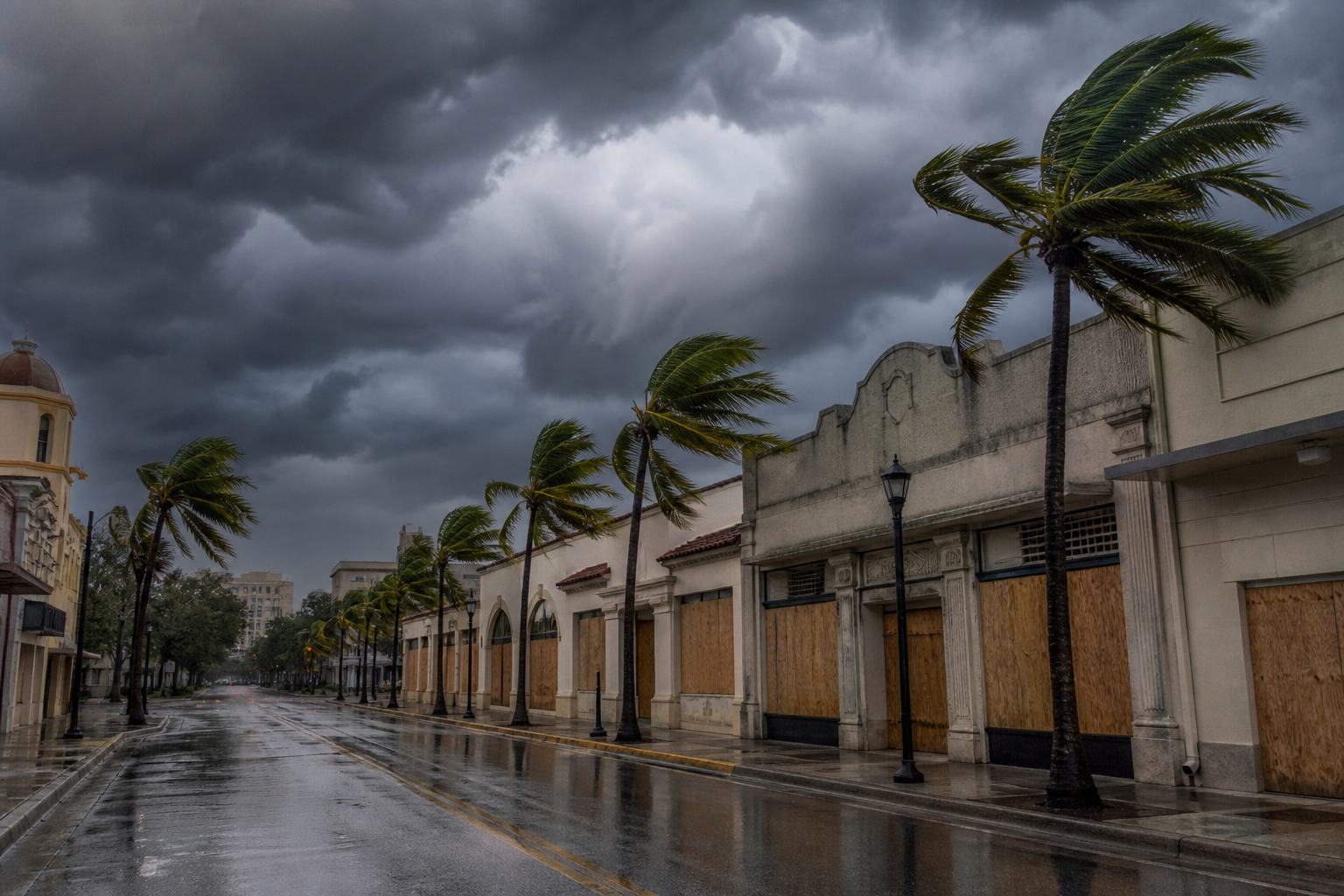
The Florida home insurance market’s contraction has pushed many homeowners into the state’s insurer of last resort, which now holds 63% of the market share, compared to just 6% a decade ago. This shift reflects the difficulty private insurers face in managing climate risks and underwriting profitably. Despite a recent underwriting profit reported in 2024 for Florida’s personal property insurance market, the environment remains challenging for policyholders. The persistent threat of hurricanes, flooding, and other natural disasters has made it increasingly difficult for insurers to provide affordable coverage, leading many to either withdraw from the market or significantly raise their premiums.
Denied claims are another growing concern. Nearly 13% of Florida homeowners whose claims were denied filed lawsuits in 2024, up from 12.4% in 2022. This increase in litigation highlights the importance of having sufficient liability coverage to protect against legal costs and judgments that can quickly exceed standard policy limits. Homeowners are often caught off guard by the complexities of their policies, which can contain exclusions or limitations that leave them vulnerable when disaster strikes. As a result, many are finding themselves in contentious legal battles with their insurers, further exacerbating the already strained insurance landscape.
Umbrella insurance can provide a buffer in these situations. It covers legal fees, settlements, and judgments that go beyond your homeowners or auto insurance limits. This is especially relevant in Florida, where climate risks and insurance market instability have made disputes more frequent and costly. Additionally, umbrella policies can extend coverage to incidents that occur outside the home, such as accidents involving rental properties or recreational vehicles, making them a versatile option for homeowners looking to safeguard their assets. With the rising costs of legal defense and the potential for large settlements in personal injury cases, having an umbrella policy can be a prudent financial decision for Florida residents.
For more details on the rising claim disputes, check out the
National Association of Insurance Commissioners study. Furthermore, as the landscape continues to evolve, it’s crucial for homeowners to stay informed about the latest trends in the insurance market and consider proactive measures to protect their financial well-being. Engaging with insurance professionals who understand the unique challenges of Florida's market can help homeowners navigate their options and make informed decisions about their coverage needs.
What Does Umbrella Insurance Cover in Florida?
Umbrella insurance primarily covers liability claims that exceed the limits of your underlying policies. This includes bodily injury, property damage, and personal liability claims such as libel or slander. In Florida, where the risk of lawsuits is rising, umbrella policies can be a crucial safeguard.
Here are some common scenarios where umbrella insurance provides protection:
- Severe auto accidents: If you cause a major accident that results in injuries or property damage exceeding your auto policy limits, umbrella insurance covers the excess costs.
- Home accidents: Injuries occurring on your property, such as a guest slipping and falling, can lead to costly lawsuits. Umbrella insurance can cover legal fees and settlements beyond your homeowners policy.
- Defamation claims: Personal liability coverage under umbrella policies can protect against claims of libel, slander, or false arrest.
Because umbrella insurance sits on top of your existing policies, it requires you to maintain certain minimum coverage levels on those underlying policies. This ensures that the umbrella policy only activates after your primary insurance limits are reached.
In addition to the scenarios mentioned, umbrella insurance can also provide coverage for incidents that occur while you are traveling. For instance, if you are involved in an accident while on vacation or if someone is injured during a gathering at a rental property, your umbrella policy can help cover the associated legal costs. This is particularly relevant for Floridians who often rent vacation homes or participate in recreational activities like boating, which can carry their own risks and liabilities.
Furthermore, umbrella insurance can offer peace of mind in an increasingly litigious society. With the rise of social media, the potential for reputational harm has escalated, making coverage against defamation claims more pertinent than ever. Whether it’s a misunderstanding that escalates into a lawsuit or a negative review that leads to legal action, having an umbrella policy can protect your financial future from unexpected legal battles. In a state like Florida, where the tourism industry thrives, and interactions with diverse individuals are commonplace, the importance of such coverage cannot be overstated.

Cost Considerations: Is Umbrella Insurance Affordable in Florida?
With Florida’s insurance premiums rising sharply—projected to increase by 40% from 2022 to 2023 on average—cost is a major concern for homeowners. However, umbrella insurance often provides significant value for its price. A typical umbrella policy can offer $1 million or more in additional liability coverage for a few hundred dollars annually.
This cost-effectiveness is especially important given the rising cost of homeowners insurance in Florida. The average cost per $1,000 of insured value has increased substantially over the past 15 years, reflecting the market’s response to climate-related risks and reinsurance expenses. As hurricanes and severe weather events become more frequent, homeowners find themselves navigating a complex landscape of insurance options, making umbrella policies an attractive solution for those seeking peace of mind.
Umbrella insurance premiums are influenced by your underlying policies, personal risk factors, and the amount of coverage you choose. Despite the overall market challenges, umbrella policies remain a relatively affordable way to secure substantial liability protection. For instance, individuals with higher net worth or those who frequently engage in activities that could lead to liability claims—such as owning rental properties or participating in high-risk sports—may find that the additional coverage offered by an umbrella policy is not just a luxury, but a necessity.
Moreover, many insurance providers offer discounts for bundling umbrella insurance with other policies, such as auto or homeowners insurance. This can further enhance the affordability of umbrella coverage, making it an even more appealing option for Florida residents. As homeowners weigh their insurance needs, understanding the nuances of umbrella policies can empower them to make informed decisions that safeguard their assets without breaking the bank.
For insight into Florida’s insurance cost trends, see the
South Florida Sun-Sentinel analysis.
Choosing the Right Umbrella Insurance Policy
Picking the right umbrella insurance policy involves evaluating your current coverage, assets, and potential risks. Here are some key steps to consider:
- Assess your underlying policies: Ensure your homeowners and auto insurance meet the minimum coverage requirements to qualify for umbrella insurance.
- Evaluate your assets: Consider your home equity, savings, investments, and other valuables that could be at risk in a lawsuit.
- Estimate potential liability exposure: Think about scenarios that could lead to large claims, such as hosting events at your home or owning multiple vehicles.
- Compare policy limits and costs: Umbrella policies typically start at $1 million in coverage and can be increased in increments. Balance your budget with the level of protection you need.
Working with a knowledgeable insurance agent can help tailor umbrella coverage to your specific situation, ensuring you are neither underinsured nor overpaying.
Additionally, it’s important to stay informed about the types of incidents that could lead to liability claims in your area. For example, if you live in a region prone to natural disasters or have a swimming pool, these factors can significantly increase your risk profile. Understanding these nuances can help you make a more informed decision about the amount of coverage you should consider. Furthermore, some policies may offer additional coverage options for specific risks, such as libel or slander, which could be particularly relevant if you are active on social media or in public forums.
Lastly, remember that umbrella insurance is not just about protecting your financial assets; it also provides peace of mind. Knowing that you have an extra layer of protection can alleviate the stress associated with potential lawsuits or claims. This can be especially beneficial for individuals with high-profile careers or those who engage in activities that might attract more scrutiny. By carefully evaluating your needs and working with a professional, you can find a policy that not only fits your budget but also provides the security you need to navigate life’s uncertainties.
How Umbrella Insurance Fits Into Florida’s Climate and Legal Landscape
Florida’s insurance crisis is often described as a financial warning sign of broader climate challenges. Max Dugan-Knight, a climate data scientist, notes that the state’s insurance market struggles reflect the mounting risks posed by climate change. With hurricanes, flooding, and severe weather events becoming more frequent and costly, insurers face growing uncertainty.
This climate risk translates into higher premiums, reduced availability of coverage, and more claim disputes. Umbrella insurance offers a way for individuals to manage some of this uncertainty by providing a financial safety net against liability claims that could arise from property damage or injury linked to these events.
Given the contraction of Florida’s home insurance market and the expansion of the insurer of last resort, umbrella policies help fill a coverage gap for many homeowners. They add an extra layer of protection that can be crucial in a state where legal actions related to insurance claims are on the rise.
Learn more about the climate impact on Florida’s insurance market from the Deep Sky Research climate risk statement.
Frequently Asked Questions About Florida Umbrella Insurance
Q: Do I need umbrella insurance if I already have homeowners and auto insurance?
A: If your assets exceed your policy limits or you want extra protection against large lawsuits, umbrella insurance is a smart addition.
Q: How much umbrella insurance coverage should I buy?
Most start with $1 million in coverage. Consider your total assets and potential risks to decide if higher limits are necessary.
Q: Does umbrella insurance cover damage to my own property?
No. Umbrella policies cover liability claims against you, not damage to your own property.
Q: Will umbrella insurance cover me if I rent out my home?
It can, but you should disclose rental activity to your insurer and possibly get additional coverage tailored to rental properties.
Q: Are legal fees included in umbrella insurance coverage?
Yes. Umbrella insurance typically covers legal defense costs, even if you are not found liable.
Before You Go: Why Umbrella Insurance Is a Wise Choice in Florida
Florida’s insurance market challenges are unlikely to ease soon. Rising premiums, shrinking policy options, and increasing claim disputes create a risky environment for homeowners. Umbrella insurance offers a practical, affordable way to extend liability protection beyond your standard policies.
By adding an umbrella policy, you gain peace of mind knowing you have a financial buffer against large claims or lawsuits. This extra layer of protection is especially valuable in a state grappling with climate risks and a volatile insurance landscape.
Considering the market contraction and the growing role of the insurer of last resort, umbrella insurance can help you stay ahead of potential liability exposures. It’s a safeguard worth exploring with your insurance professional to ensure your coverage matches your needs and risks.
ABOUT THE AUTHOR:
MONTREAL MORAND
With over 20 years of leadership experience in the insurance industry, I’ve dedicated my career to helping clients and agents make informed, confident decisions about their coverage. I’ve led high-performing teams, managed more than $128 million in premium, and earned multiple national awards for excellence. Today, my mission remains the same — to educate, empower, and provide dependable protection for the communities we serve.
Contact Us
Protect the Things That Matter Most
Reliable Coverage for Your Home & Lifestyle
Home Insurance
Protect your home, belongings, and personal liability with reliable coverage.
Stronger Coverage for Your Operations
Essential Protection for Your Company
Coverage built for businesses that depend on people, property, and equipment.
Industries We Support
Insurance for Everyday Local Businesses
Simple, reliable protection for the people who keep our communities running.
Plumbers
Plumbers Insurance
Protection for job-site hazards, tools, and customer property.
Restaurants
Restaurants Insurance
Coverage for fire risks, food inventory, and general liability.
HVAC Contractors
HVAC Contractors Insurance
Insurance for service vehicles, equipment, and installation risks.




Frequently Asked Questions
Helpful Answers to Common Questions
Quick guidance to help you understand your coverage.
What types of insurance does Macpherson Insurance Agency offer?
We provide both personal and commercial insurance solutions. On the personal side: homeowners, automobile, condo, renters, windstorm, flood, excess flood, and more. On the commercial side: general liability, property, inland marine, ocean marine, workers compensation, and more.
Do you specialize in homeowners insurance in South Florida?
Yes. We specialize in homeowners coverage in South Florida and work with multiple carriers based on your property’s age, location and replacement cost.
What does “replacement cost” mean in a policy?
Replacement cost is the cost to rebuild your home to the same standard it had before a loss — not the market value of your property.
Why is it important that my insurer is licensed in Florida?
Licensed Florida insurers are continuously monitored for financial stability — if one fails, the Florida Insurance Guaranty Fund may reimburse insureds for unpaid claims up to a limit.
Can I lower my homeowners premium with discounts?
Yes — mitigation features like impact glass, storm shutters, roof straps, and approved sheathing may qualify you for significant credit reductions.
Do you offer payment plans or premium financing?
Yes. In many cases, payment plans and premium financing are available to make coverage more affordable and manageable over time.
From the Blog
Helpful Tips & Insurance Guidance
Articles created to make insurance easier to understand.









Contact Us
Phone
Location