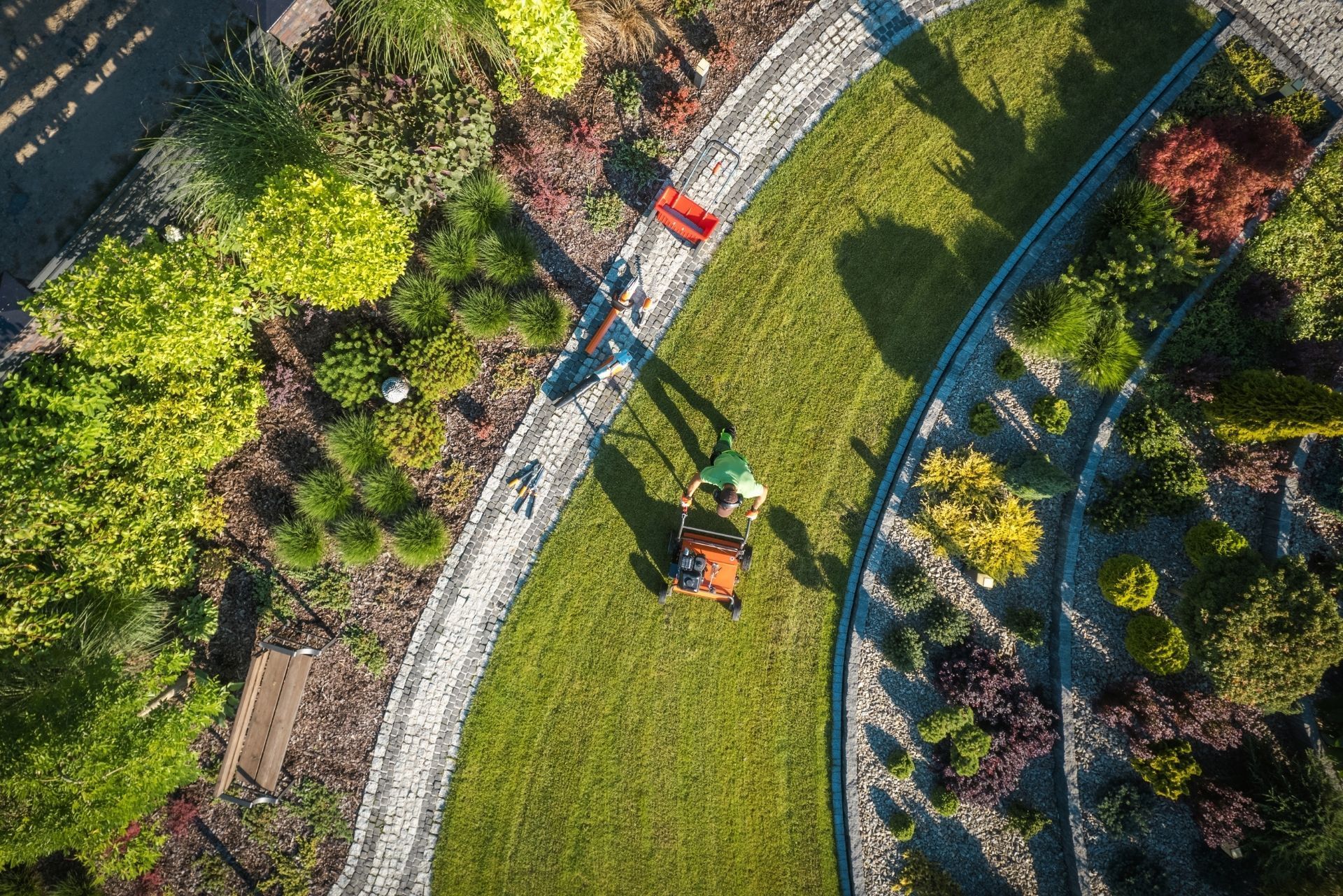
A single afternoon thunderstorm can turn a routine mowing job into a nightmare. Your crew's riding mower slides on wet grass, crashes through a client's pool enclosure, and suddenly you're facing a $15,000 repair bill. Without proper coverage, that one incident could drain your operating capital for the entire season.
Florida's landscaping industry presents unique challenges that operators in other states simply don't face. Between hurricane season disruptions, year-round growing conditions that keep crews busy, and strict regulations around chemical applications, running a landscaping business here demands specialized protection. This local guide to landscaping business insurance in Florida breaks down exactly what coverage you need, why Florida-specific risks matter, and how to find the right policy without overpaying.
The stakes are higher than many business owners realize. Florida requires specific insurance minimums for contractors, and many commercial clients won't hire you without proof of adequate coverage. Whether you're a solo operator with a truck and trailer or managing multiple crews across several counties, understanding your insurance options protects both your livelihood and your ability to grow.
Getting this right from the start saves you from expensive gaps in coverage and helps you win contracts that require proper documentation. The following sections walk through essential coverages, Florida-specific considerations, and practical steps for securing protection that actually fits your operation.
Essential Insurance Coverages for Florida Landscapers
Every landscaping operation needs a foundation of core coverages before adding specialized protections. These policies address the most common risks you'll encounter on residential and commercial properties throughout the state.
General Liability for Property Damage and Bodily Injury
General liability insurance covers damage you cause to client property and injuries to third parties. This is your first line of defense when a trimmer throws a rock through a window or a visitor trips over equipment left on a walkway.
Most Florida landscapers carry between $500,000 and $1 million in general liability coverage. Commercial clients and homeowner associations typically require the higher limit before allowing you on their properties. Premiums for a small operation usually run $800 to $2,500 annually, depending on your revenue and service types.
The policy responds to claims of negligence, covering legal defense costs even if the claim proves unfounded. This protection matters because defending a lawsuit costs money regardless of the outcome.
Commercial Auto Insurance for Work Trucks and Trailers
Personal auto policies exclude vehicles used for business purposes. If your truck hauls equipment to job sites, you need commercial auto coverage that specifically addresses business use.
Florida law requires minimum liability limits of $10,000 for property damage and personal injury protection. Most landscaping operations carry higher limits because accidents involving loaded trailers can easily exceed minimums. Your policy should cover hired and non-owned vehicles if employees ever use personal vehicles for work tasks.
Trailer coverage often requires a separate endorsement or inland marine policy. Don't assume your truck policy automatically covers the $8,000 enclosed trailer behind it.
Inland Marine Coverage for Mowers and Specialized Tools
Despite the name, inland marine insurance has nothing to do with boats. This coverage protects equipment that moves between locations, including commercial mowers, blowers, chainsaws, and specialized tools.
Standard property policies typically cover equipment only at your business location. Inland marine extends protection to theft from job sites, damage during transport, and losses at client properties. A zero-turn mower stolen from a trailer overnight represents a significant loss that inland marine addresses directly.
Coverage limits should reflect replacement costs, not depreciated values. Equipment prices have increased substantially, and being underinsured leaves you covering the difference out of pocket.

By: Montreal Morand
Founder & Managing Partner
Macpherson Insurance Agency
Florida's regulatory environment and weather patterns create insurance needs that landscapers in other states may never consider. Understanding these requirements prevents compliance issues and coverage gaps.
Understanding Florida Workers' Compensation Requirements
Florida requires workers' compensation insurance for landscaping businesses with one or more employees. This isn't optional, and the penalties for non-compliance include stop-work orders and fines up to $1,000 per day.
Sole proprietors can exempt themselves from coverage requirements by filing an exemption with the state. However, many commercial clients and general contractors require proof of workers' comp regardless of your exemption status. Carrying coverage often opens doors to contracts you'd otherwise lose.
Landscaping carries a relatively high classification rate due to injury frequency. Expect to pay between $8 and $15 per $100 of payroll, though your actual rate depends on your claims history and safety programs.
Hurricane and Severe Weather Business Interruption
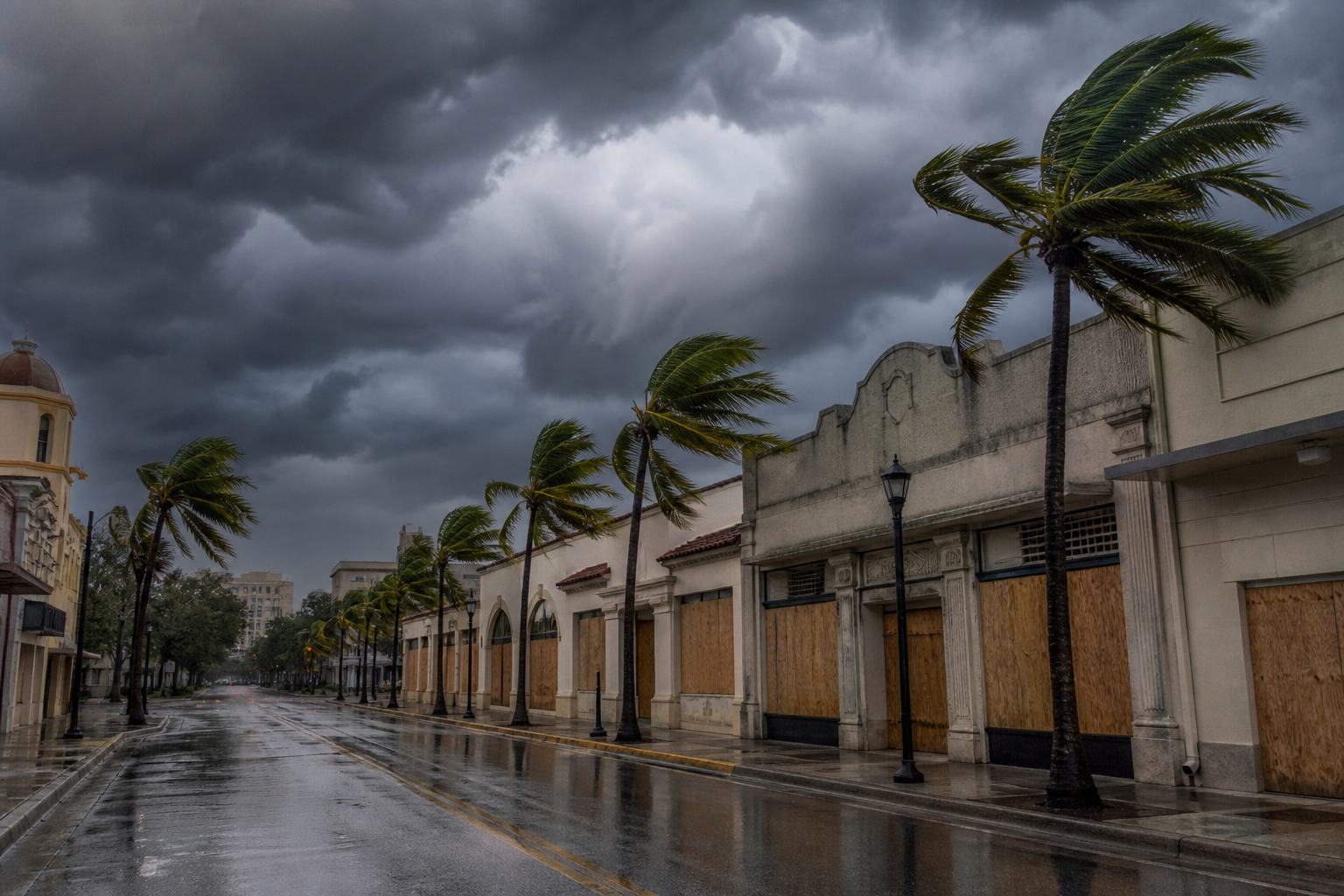
Hurricane season runs June through November, and a major storm can shut down operations for weeks. Business interruption coverage replaces lost income when covered events prevent you from working.
Standard policies may exclude wind damage or require separate windstorm coverage in coastal counties. Review your policy carefully to understand what triggers business interruption payments and how long the waiting period lasts before coverage kicks in.
Equipment stored at your shop or yard faces damage risks during storms. Proper property coverage combined with business interruption protection keeps your operation financially stable during extended recovery periods.
Herbicide and Pesticide Application Endorsements
Applying chemicals requires specific licensing in Florida and creates liability exposure that standard general liability policies may exclude. If you offer weed control, fertilization, or pest management services, you need a pollution liability endorsement or separate policy.
Chemical drift that damages neighboring properties, groundwater contamination claims, and health complaints from nearby residents all fall under pollution coverage. Without this endorsement, you're personally responsible for defense costs and settlements.
The endorsement typically adds $300 to $800 annually to your premium. Given the potential claim sizes, this represents reasonable protection for the risk involved.
Understanding what drives your premium helps you make informed decisions about coverage and identify opportunities to reduce costs without sacrificing protection.
Impact of Service Scope: Hardscaping vs. Softscaping
Insurance companies price policies based partly on the services you provide. Basic lawn maintenance carries lower risk than hardscaping, tree removal, or irrigation work.
| Service Type | Relative Risk Level | Premium Impact |
|---|---|---|
| Lawn mowing and trimming | Low | Base rate |
| Shrub and hedge work | Low-Medium | +5-10% |
| Irrigation installation | Medium | +15-25% |
| Hardscaping and pavers | Medium-High | +20-35% |
| Tree removal | High | +30-50% |
Adding services to your offerings may require notifying your insurer and adjusting coverage. Performing work outside your policy's stated scope can result in claim denials.
Claims History and Safety Training Programs
Your loss history significantly impacts premium calculations. A clean record over three to five years qualifies you for better rates, while multiple claims push premiums higher and may make coverage difficult to obtain.
Implementing documented safety programs demonstrates risk management to insurers. Regular training sessions, equipment maintenance logs, and written safety protocols can qualify you for premium credits ranging from 5% to 15%.
Some insurers offer pay-as-you-go workers' compensation based on actual payroll rather than estimates. This approach improves cash flow for seasonal operations and prevents large audit adjustments at year-end.
Securing the Right Policy for Your Local Business
Finding appropriate coverage requires working with knowledgeable professionals who understand both insurance products and Florida's landscaping industry.
Working with Florida-Licensed Insurance Agents
Independent agents who represent multiple carriers can compare options across the market. A captive agent working for a single company shows you only their products, which may not fit your specific needs.
Look for agents with experience in contractor or landscaping insurance specifically. They'll understand classification codes, common coverage gaps, and endorsements relevant to your operation. Ask about their other landscaping clients and how they've handled claims in the past.
Get quotes from at least three sources before making decisions. Price matters, but coverage terms and carrier financial strength matter more when you actually need to file a claim.
Reviewing Contractual Requirements for Municipal Projects
Government contracts and commercial work often specify exact insurance requirements. These may include higher limits than you currently carry, additional insured endorsements, and waiver of subrogation clauses.
Review contract requirements before bidding on projects. Adding coverage after winning a bid costs more than including it in your original pricing. Some requirements, like professional liability for design work, may require entirely new policies.
Certificates of insurance prove your coverage to clients and general contractors. Your agent should provide these promptly when requested, as delayed certificates can hold up project starts and payments.
Maintaining Compliance and Protecting Your Assets Long-Term
Insurance isn't a one-time purchase. Your coverage needs evolve as your business grows, regulations change, and new risks emerge. Annual policy reviews with your agent ensure your protection keeps pace with your operation.
Update your insurer when you add services, hire employees, purchase equipment, or expand into new service areas. Failing to report material changes can void coverage when you need it most.
Keep certificates of insurance, policy documents, and claim records organized and accessible. When renewal time arrives, this documentation helps your agent shop effectively and negotiate better terms.
The right insurance program protects more than just your equipment and bank account. It protects your reputation, your ability to win contracts, and the years of work you've invested in building your landscaping business in Florida.
Frequently Asked Questions
How much does landscaping insurance typically cost in Florida? Small operations usually pay $2,500 to $6,000 annually for a basic package including general liability, commercial auto, and inland marine coverage. Workers' compensation adds significantly based on payroll size.
Can I operate without insurance if I'm a sole proprietor? You can exempt yourself from workers' compensation, but general liability and commercial auto are practical necessities. Most clients require proof of coverage before hiring you.
Does my homeowner's policy cover equipment stored at my house? Homeowner's policies typically exclude business equipment or impose low sublimits. Commercial coverage provides proper protection for tools and machinery.
What happens if I perform services not listed on my policy? Claims arising from unlisted services may be denied. Always notify your insurer before adding new service offerings to your business.
How quickly can I get a certificate of insurance for a new contract? Most agents can issue certificates within 24 hours. For urgent needs, same-day certificates are often available with advance notice.
ABOUT THE AUTHOR:
MONTREAL MORAND
With over 20 years of leadership experience in the insurance industry, I’ve dedicated my career to helping clients and agents make informed, confident decisions about their coverage. I’ve led high-performing teams, managed more than $128 million in premium, and earned multiple national awards for excellence. Today, my mission remains the same — to educate, empower, and provide dependable protection for the communities we serve.
Contact Us
Protect the Things That Matter Most
Reliable Coverage for Your Home & Lifestyle
Home Insurance
Protect your home, belongings, and personal liability with reliable coverage.
Stronger Coverage for Your Operations
Essential Protection for Your Company
Coverage built for businesses that depend on people, property, and equipment.
Industries We Support
Insurance for Everyday Local Businesses
Simple, reliable protection for the people who keep our communities running.
Plumbers
Plumbers Insurance
Protection for job-site hazards, tools, and customer property.
Restaurants
Restaurants Insurance
Coverage for fire risks, food inventory, and general liability.
HVAC Contractors
HVAC Contractors Insurance
Insurance for service vehicles, equipment, and installation risks.




Frequently Asked Questions
Helpful Answers to Common Questions
Quick guidance to help you understand your coverage.
What types of insurance does Macpherson Insurance Agency offer?
We provide both personal and commercial insurance solutions. On the personal side: homeowners, automobile, condo, renters, windstorm, flood, excess flood, and more. On the commercial side: general liability, property, inland marine, ocean marine, workers compensation, and more.
Do you specialize in homeowners insurance in South Florida?
Yes. We specialize in homeowners coverage in South Florida and work with multiple carriers based on your property’s age, location and replacement cost.
What does “replacement cost” mean in a policy?
Replacement cost is the cost to rebuild your home to the same standard it had before a loss — not the market value of your property.
Why is it important that my insurer is licensed in Florida?
Licensed Florida insurers are continuously monitored for financial stability — if one fails, the Florida Insurance Guaranty Fund may reimburse insureds for unpaid claims up to a limit.
Can I lower my homeowners premium with discounts?
Yes — mitigation features like impact glass, storm shutters, roof straps, and approved sheathing may qualify you for significant credit reductions.
Do you offer payment plans or premium financing?
Yes. In many cases, payment plans and premium financing are available to make coverage more affordable and manageable over time.
From the Blog
Helpful Tips & Insurance Guidance
Articles created to make insurance easier to understand.



Contact Us
Phone
Location