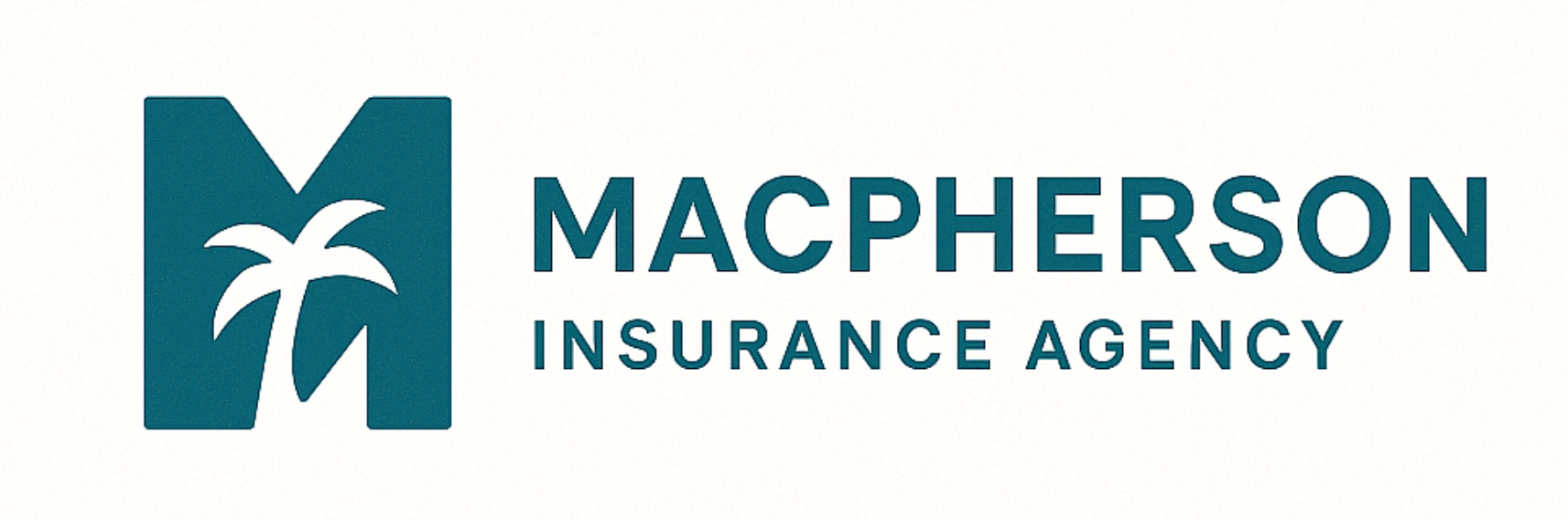
Running a coffee shop in Florida means juggling espresso machines, early morning rushes, and the constant hum of a walk-in cooler. But one bad slip-and-fall or a burst pipe during hurricane season can turn your favorite neighborhood spot into a financial nightmare. Florida's unique mix of weather risks, high foot traffic, and strict state regulations makes insurance a non-negotiable part of doing business. The good news? Finding coffee shop insurance coverage in Florida that fits your budget isn't as painful as you might think. You don't need to overspend on bloated policies or gamble with bare-minimum protection. The key is understanding exactly what you need, what drives your costs up or down, and where smart choices can save you real money. Whether you're opening your first cafe in Wynwood or running a
well-established roastery near St. Augustine, the right policy mix protects your livelihood without draining your bank account. This guide breaks down the essential policies, cost factors, and practical strategies that Florida coffee shop owners should know in 2026.
Essential Insurance Policies for Florida Coffee Shops
Every Florida cafe needs a core set of policies to stay compliant and protected. Skipping any of these creates gaps that can cost tens of thousands of dollars in a single incident. The three pillars are general liability, property insurance, and workers' compensation. Each one covers a different category of risk, and together they form the foundation of a sound insurance plan.
Your exact policy mix will depend on your shop's size, location, and whether you employ staff. A solo owner-operator running a small kiosk in a strip mall has different needs than a 20-seat cafe with a full kitchen. But no matter the scale, these three coverage types deserve your attention first.
General Liability for Customer Incidents
General liability is the policy you'll use most often, and it's the one your landlord will almost certainly require. It covers bodily injury and property damage claims from third parties, which in a coffee shop context usually means customers. Think spilled hot coffee causing a burn, a wet floor leading to a broken wrist, or a customer's laptop getting damaged by a leaking ceiling.
In Florida, slip-and-fall claims are common, especially during the rainy season when customers track water inside. A single claim can easily reach $15,000 to $50,000 depending on the injury. Most general liability policies for small cafes start around $400 to $800 per year for $1 million in coverage per occurrence, with a $2 million aggregate limit.
One thing to keep in mind : general liability won't cover employee injuries or damage to your own property. It's strictly for third-party incidents. If a barista burns themselves on the steam wand, that's a workers' comp claim, not a general liability one.
Property Insurance for Equipment and Inventory
A commercial espresso machine alone can cost $8,000 to $20,000. Add grinders, refrigeration units, POS systems, furniture, and inventory, and most coffee shops carry $50,000 to $150,000 in assets. Property insurance protects all of it against fire, theft, vandalism, and certain weather events.
Here's where Florida gets tricky. Standard property policies often exclude flood and wind damage, which are the two biggest weather threats in the state. If your shop is in a coastal area like Fort Lauderdale or Tampa, you'll likely need a separate windstorm rider or a flood policy through FEMA's National Flood Insurance Program. These add $500 to $2,000 per year depending on your flood zone, but going without them is a gamble most shop owners can't afford.
Make sure your policy covers replacement cost rather than actual cash value. A five-year-old espresso machine might only be "worth" $3,000 on paper, but replacing it costs $12,000. Replacement cost coverage closes that gap.
Workers' Compensation Requirements in Florida
Florida law requires workers' compensation insurance for any business with four or more employees. This applies to both full-time and part-time staff, which means most coffee shops with a small crew will hit that threshold quickly. Workers' comp covers medical expenses, lost wages, and rehabilitation costs for employees injured on the job.
Coffee shops see their share of workplace injuries : burns from hot liquids, repetitive strain from pulling espresso shots, and slips on greasy kitchen floors are all common claims. Average workers' comp premiums in Florida run about $0.75 to $1.50 per $100 of payroll for restaurant and cafe classifications, though your exact rate depends on your claims history and payroll size.
Even if you have fewer than four employees, carrying workers' comp voluntarily can protect you from costly lawsuits if someone gets hurt.

By: Montreal Morand
Founder & Managing Partner
Macpherson Insurance Agency
Not all policies are created equal. A basic package might save you money upfront but leave dangerous gaps in coverage. Here's how a stripped-down policy compares to a more complete plan.
Basic vs. Comprehensive Policy Table
| Coverage Feature | Basic Policy | Comprehensive Policy |
|---|---|---|
| General Liability | $1M per occurrence | $1M per occurrence |
| Property Coverage | Building contents only | Building contents + equipment breakdown |
| Workers' Comp | State minimum | State minimum + employer's liability |
| Business Interruption | Not included | Included (covers lost income) |
| Food Spoilage | Not included | Up to $25,000 |
| Cyber Liability | Not included | Included (POS data breaches) |
| Estimated Annual Cost | $1,200 - $2,500 | $2,800 - $5,500 |
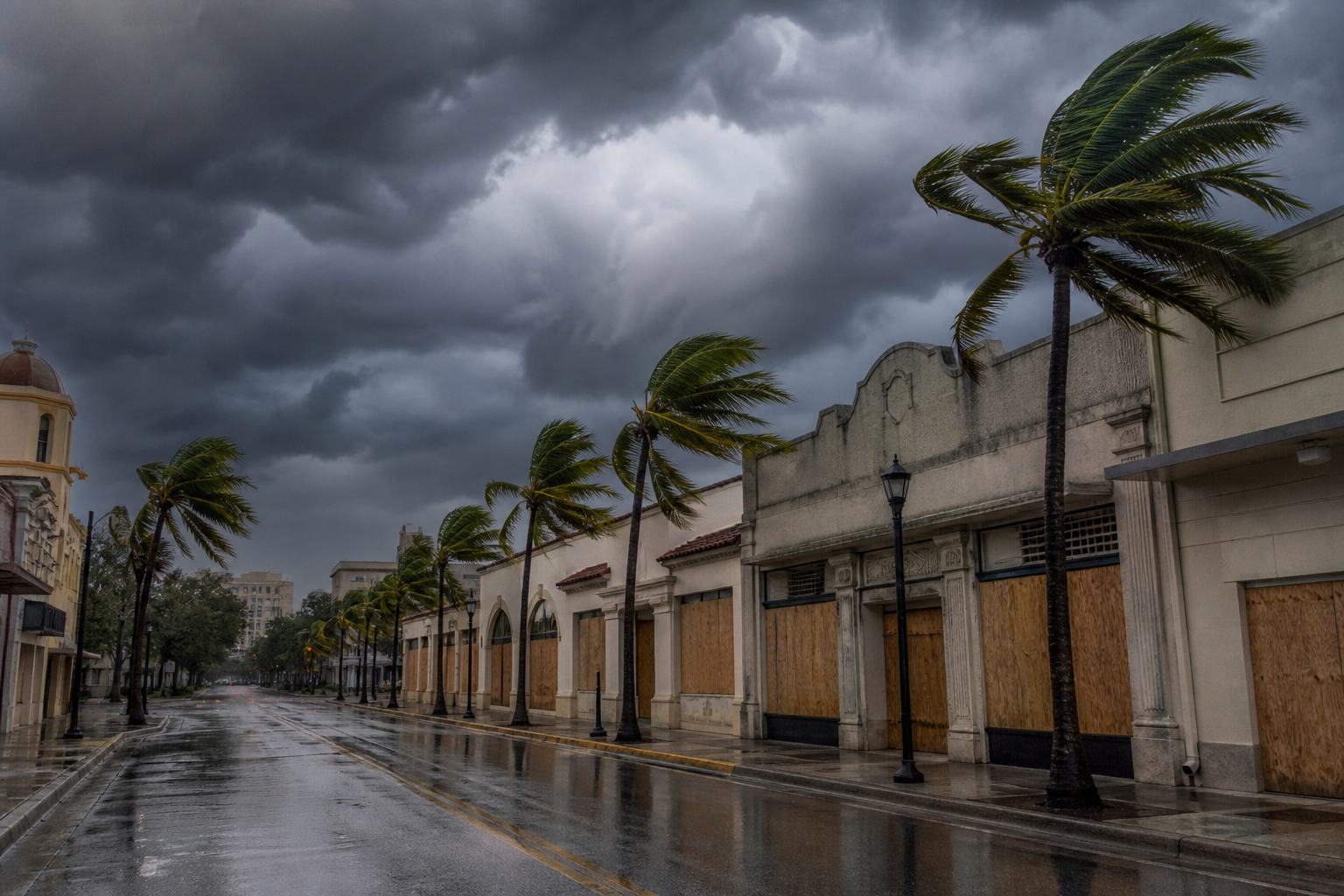
The biggest difference is business interruption coverage. If a hurricane forces your shop to close for three weeks, a basic policy pays for the physical damage but nothing for the revenue you lose while closed. A comprehensive plan covers that income gap, which can be the difference between reopening and shutting down permanently.
Food spoilage coverage is another overlooked item. A power outage lasting 48 hours can destroy thousands of dollars in milk, cream, syrups, and perishable food items. For a few dollars a month, this rider pays for itself the first time your walk-in goes down.
Your insurance premium isn't a random number. Insurers calculate it based on specific risk factors tied to your business. Understanding these factors gives you the power to control costs rather than just accepting whatever quote lands on your desk.
Location and Hurricane Risk Considerations
Florida's geography plays a huge role in your premiums. A coffee shop in downtown Miami faces significantly higher wind and flood risk than one in Gainesville. Insurers assign risk scores based on your proximity to the coast, your flood zone designation, and the construction type of your building.
Shops in FEMA-designated high-risk flood zones (Zone A or V) can pay two to three times more for property coverage than those in moderate or low-risk zones. If you're still choosing a location for a new shop, this is worth factoring into your lease decision. A slightly cheaper rent in a high-risk zone can be wiped out by higher insurance costs.
Florida's 2024 tort reform changes have started to bring some relief to commercial insurance rates statewide, with many business owners seeing 10 to 15 percent reductions in liability premiums by 2026. That said, hurricane-prone areas still carry a price premium that tort reform alone won't erase.
Annual Revenue and Staff Size
Insurers treat revenue as a proxy for exposure. A shop pulling in $500,000 a year serves more customers, processes more transactions, and faces more potential claims than one earning $150,000. Higher revenue generally means higher premiums, particularly for general liability.
Staff size directly affects your workers' comp costs since premiums are calculated as a percentage of total payroll. A shop with eight employees and $280,000 in annual payroll will pay roughly $2,100 to $4,200 in workers' comp premiums. Reducing overtime hours and keeping accurate payroll classifications can lower this number without cutting staff.
Ways to Lower Your Insurance Costs
Finding budget-friendly coffee shop insurance in Florida doesn't mean cutting corners on coverage. It means being strategic about how you buy and what you do to reduce risk.
Bundling with a Business Owner's Policy (BOP)
A Business Owner's Policy bundles general liability and property insurance into a single package, typically at a 10 to 20 percent discount compared to buying them separately. Most insurers offer BOPs specifically designed for small food-service businesses, and they often include extras like business interruption and equipment breakdown coverage at no additional charge.
For a typical Florida coffee shop, a BOP might run $2,000 to $3,500 per year, covering both liability and property in one policy. That's often cheaper than purchasing a standalone general liability policy and a separate property policy. The catch is that BOPs have revenue and square footage caps, usually maxing out around $1 million in annual revenue and 10,000 square feet. Most independent coffee shops fit well within those limits.
Implementing Safety and Training Programs
Insurers reward businesses that actively reduce risk. Documenting a formal safety program can qualify you for premium discounts of 5 to 15 percent with many carriers. This includes things like written procedures for handling hot beverages, regular equipment maintenance logs, and employee training records.
Practical steps that make a difference :
- Install non-slip mats behind the counter and at entrances
- Train every employee on burn prevention and proper lifting techniques
- Keep fire extinguishers inspected and accessible
- Maintain a daily cleaning checklist to prevent slip hazards
- Document everything, because insurers want proof, not promises
A clean claims history is your most powerful negotiating tool at renewal time. Two years without a claim can drop your premium significantly, so investing in prevention pays off both in safety and savings.
Common Questions About Florida Cafe Insurance
FAQ: Cost, Coverage, and Claims
How much does coffee shop insurance cost in Florida per month? Most small to mid-size cafes pay between $150 and $450 per month for a complete insurance package including general liability, property, and workers' comp. Your exact cost depends on location, revenue, and claims history.
Do I need insurance if I only have two employees? Florida's workers' comp requirement kicks in at four employees, but you still need general liability and property insurance regardless of staff size. Going without workers' comp with a small crew is legal but risky if someone gets hurt.
Does my landlord's insurance cover my coffee shop? No. Your landlord's policy covers the building structure, not your equipment, inventory, or liability for customer injuries inside your space. You need your own commercial policy.
What happens if I don't have business interruption coverage and a hurricane shuts me down? Your property policy may cover physical damage, but you'll receive nothing for lost revenue during the closure. Many Florida coffee shops that closed after Hurricane Ian in 2022 struggled to reopen precisely because they lacked this coverage.
Can I get coverage for food contamination claims? Yes. Product liability coverage, which is often included in general liability or available as a rider, covers claims from customers who get sick from something you served. This is essential for any food-service business.
How often should I review my policy? At least once a year, ideally 60 to 90 days before renewal. This gives you time to shop around, update your coverage limits, and account for any changes in revenue or equipment.
Making the Right Choice for Your Shop
Getting the right insurance for your Florida coffee shop comes down to three things : understanding your specific risks, buying the right coverage types, and being proactive about reducing premiums. Don't default to the cheapest quote without reading what's actually covered. A $1,200 policy that excludes business interruption and food spoilage isn't a bargain if one bad week costs you $30,000.
Start by getting quotes from at least three carriers that specialize in food-service or small business insurance. Ask each one about BOP options, available discounts for safety programs, and how they handle hurricane-related claims. Compare not just price but coverage limits, deductibles, and exclusions.
Your next step is simple : pull out your current policy, or your lease agreement if you're just starting out, and audit it against the coverage types listed in this guide. Identify any gaps, get competitive quotes, and lock in a policy that protects your shop without wrecking your monthly budget. The best time to get this right is before you need to file a claim.
ABOUT THE AUTHOR:
MONTREAL MORAND
With over 20 years of leadership experience in the insurance industry, I’ve dedicated my career to helping clients and agents make informed, confident decisions about their coverage. I’ve led high-performing teams, managed more than $128 million in premium, and earned multiple national awards for excellence. Today, my mission remains the same — to educate, empower, and provide dependable protection for the communities we serve.
Contact Us
Protect the Things That Matter Most
Reliable Coverage for Your Home & Lifestyle
Home Insurance
Protect your home, belongings, and personal liability with reliable coverage.
Stronger Coverage for Your Operations
Essential Protection for Your Company
Coverage built for businesses that depend on people, property, and equipment.
Industries We Support
Insurance for Everyday Local Businesses
Simple, reliable protection for the people who keep our communities running.
Plumbers
Plumbers Insurance
Protection for job-site hazards, tools, and customer property.
Restaurants
Restaurants Insurance
Coverage for fire risks, food inventory, and general liability.
HVAC Contractors
HVAC Contractors Insurance
Insurance for service vehicles, equipment, and installation risks.




Frequently Asked Questions
Helpful Answers to Common Questions
Quick guidance to help you understand your coverage.
What types of insurance does Macpherson Insurance Agency offer?
We provide both personal and commercial insurance solutions. On the personal side: homeowners, automobile, condo, renters, windstorm, flood, excess flood, and more. On the commercial side: general liability, property, inland marine, ocean marine, workers compensation, and more.
Do you specialize in homeowners insurance in South Florida?
Yes. We specialize in homeowners coverage in South Florida and work with multiple carriers based on your property’s age, location and replacement cost.
What does “replacement cost” mean in a policy?
Replacement cost is the cost to rebuild your home to the same standard it had before a loss — not the market value of your property.
Why is it important that my insurer is licensed in Florida?
Licensed Florida insurers are continuously monitored for financial stability — if one fails, the Florida Insurance Guaranty Fund may reimburse insureds for unpaid claims up to a limit.
Can I lower my homeowners premium with discounts?
Yes — mitigation features like impact glass, storm shutters, roof straps, and approved sheathing may qualify you for significant credit reductions.
Do you offer payment plans or premium financing?
Yes. In many cases, payment plans and premium financing are available to make coverage more affordable and manageable over time.
From the Blog
Helpful Tips & Insurance Guidance
Articles created to make insurance easier to understand.




Contact Us
Phone
Location