For plumbing contractors and service technicians in Florida, insurance is more than just a regulatory checkbox. It is a vital shield against the unique risks that come with working in a state facing an unstable home insurance market and increasing climate challenges. Understanding how to navigate this landscape can mean the difference between a secure business and financial hardship.
Florida’s property insurance market has undergone dramatic shifts over the past decade. Active home insurance policies have plunged by 78%, from 3.2 million in 2014 to just 710,000 in 2024, according to Deep Sky Research. This contraction has ripple effects on contractors who rely on stable insurance coverage to protect their work and clients.
Why Plumbing Contractors in Florida Need Specialized Insurance
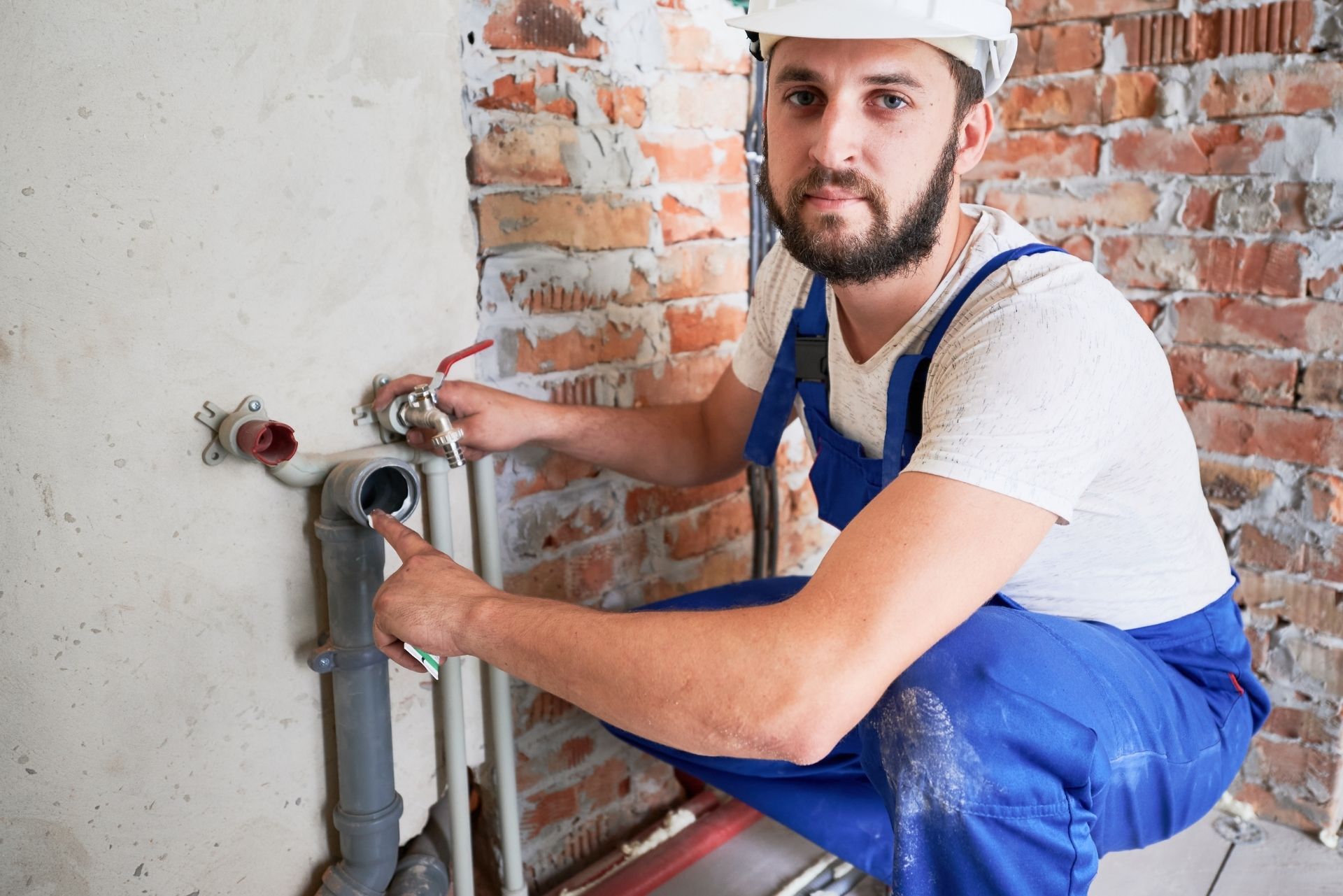
Plumbing contractors face a broad range of risks on every job. From accidental water damage to faulty installations, the potential for costly claims is high. In Florida, these risks are compounded by environmental factors like hurricanes and flooding, which increase the likelihood of property damage claims. The unique climate of Florida, with its heavy rainfall and tropical storms, necessitates that plumbing contractors remain vigilant and prepared for sudden weather changes that can affect their projects and client properties.
Insurance for plumbers typically includes general liability coverage, which protects against third-party claims for bodily injury or property damage. However, in Florida’s volatile insurance market, contractors also need to consider additional protections such as professional liability and commercial auto insurance to cover service vehicles. These additional coverages ensure that contractors are not only protected from accidents on-site but also from potential claims arising from advice or services rendered that may not meet client expectations or industry standards.
Given Florida’s insurance market challenges, it’s crucial for plumbing professionals to work with insurers who understand the local climate risks and legal environment. The state’s property insurance market has recently stabilized after years of turmoil, partly due to legislative reforms that curtailed abusive legal practices, according to the Insurance Information Institute. This progress helps contractors find more reliable coverage options. Furthermore, understanding the nuances of local regulations and building codes is essential for contractors to avoid legal pitfalls that could result in costly disputes or fines.
Key Risks Plumbing Contractors Face in Florida
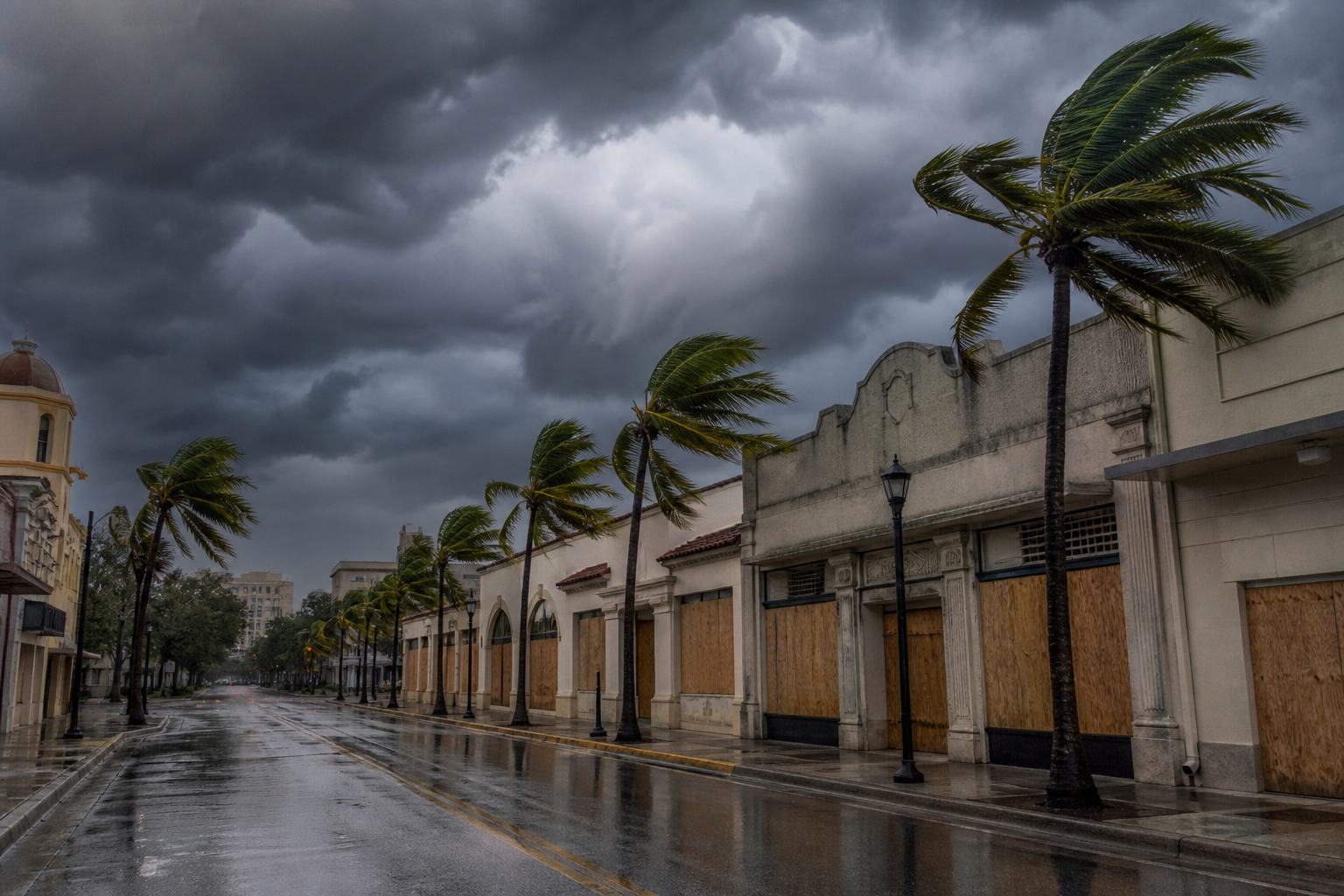
Water damage claims rank among the most common and expensive for plumbers. A single leak or burst pipe can cause extensive property damage, leading to litigation and repair costs. Additionally, Florida’s exposure to hurricanes means contractors must be prepared for storm-related damages that can affect their work sites and equipment. The aftermath of a hurricane can leave plumbing systems compromised, requiring immediate attention and repairs, which can strain resources and increase operational costs for contractors.
Another risk comes from the rising cost of reinsurance. As
Locke Burt, CEO of Security First Insurance, points out, "The simple answer is the cost of reinsurance skyrocketed." This increase drives up premiums, making it more expensive for contractors to maintain adequate coverage. Additionally, the fluctuating market can lead to uncertainty in pricing and availability of insurance products, forcing contractors to adapt their business strategies to remain competitive while ensuring they are adequately protected against unforeseen events. The importance of risk management and proactive planning cannot be overstated, as these measures can significantly mitigate potential losses and enhance the sustainability of plumbing businesses in Florida's challenging environment.

By: Montreal Morand
Founder & Managing Partner
Macpherson Insurance Agency
Understanding the Types of Insurance Essential for Florida Plumbers
Insurance needs vary depending on the size of the plumbing business and the scope of services offered. However, some core coverages are essential for all plumbing contractors and service techs in Florida. As the plumbing industry continues to evolve, understanding these insurance types becomes increasingly important for safeguarding both the business and its employees.
General Liability Insurance
This is the foundation of any contractor’s insurance portfolio. It covers bodily injury, property damage, and legal defense costs if a client or third party sues over an accident related to plumbing work. For example, if a pipe installation leads to flooding in a customer’s home, general liability insurance helps cover the repair costs and legal fees. Moreover, this coverage extends to incidents that may occur off-site, such as damage caused by a plumber while transporting equipment to a job site. This broad protection ensures that plumbing businesses can operate with peace of mind, knowing they are shielded from unexpected financial burdens.
Professional Liability Insurance
Also known as errors and omissions insurance, this coverage protects against claims of negligence or mistakes in the services provided. If a plumbing design flaw causes damage or system failure, professional liability insurance can cover the resulting claims. This type of insurance is particularly vital for plumbers who offer design and consultation services, as the stakes can be high when it comes to system integrity. Additionally, having this coverage can enhance a plumber's credibility, as clients often feel more secure knowing that their contractor is protected against potential errors that could lead to costly repairs.
Commercial Auto Insurance
Many plumbers rely on work trucks or vans to transport tools and materials. Commercial auto insurance covers accidents involving these vehicles, which personal auto policies typically exclude. Given Florida’s busy roads and weather hazards, this coverage is critical. It not only protects against liability in the event of an accident but also covers damages to the vehicle itself. Furthermore, some policies can include coverage for tools and equipment that are stolen from the vehicle, providing an extra layer of security for plumbers who transport expensive gear to various job sites.
Workers’ Compensation Insurance
For plumbing businesses with employees, workers’ compensation is usually mandatory. It covers medical expenses and lost wages if a worker is injured on the job. Florida’s construction and trade industries see frequent workplace injuries, making this coverage a must-have for compliance and protection. Beyond the legal requirements, offering workers’ compensation can foster a positive work environment, as employees feel valued and secure knowing they are protected in case of an accident. This not only helps in retaining skilled workers but also enhances the overall reputation of the plumbing business within the community.
Equipment and Tools Coverage
Plumbers use specialized tools and equipment that can be costly to replace. Insurance policies that cover theft, damage, or loss of tools help keep operations running smoothly after unexpected incidents. This type of coverage is especially important in Florida, where the risk of theft can be heightened due to the transient nature of some neighborhoods. Additionally, some policies may offer coverage for equipment breakdowns, ensuring that plumbers can quickly replace or repair essential tools without incurring significant out-of-pocket expenses. This not only minimizes downtime but also helps maintain the quality of service that clients expect from their plumbing professionals.
How Florida’s Insurance Market Changes Impact Plumbing Contractors
Florida’s home insurance market has been under intense pressure for years. The sharp 78% decline in active home insurance policies over the last decade reflects broader challenges, including climate risks and legal system abuses. These factors have made insurance more expensive and harder to obtain for contractors and homeowners alike.
Recent legislative reforms have helped stabilize the market. The Insurance Information Institute reports that Florida’s property insurance market posted its first underwriting profit in nearly ten years in 2024. This turnaround is largely due to curbs on abusive legal practices that previously drove up claims-related litigation.
For plumbing contractors, this stabilization means better access to insurance products and more predictable premiums. However, the market remains sensitive to climate-related risks, so contractors must remain vigilant about maintaining adequate coverage. As Florida continues to experience extreme weather events, including hurricanes and flooding, plumbing contractors may find themselves in high-demand situations, necessitating the need for robust insurance policies that can cover potential liabilities arising from such events. Additionally, contractors should consider investing in training and equipment that enhance their ability to respond to climate-related emergencies, which can further mitigate risks and potentially lower insurance costs over time.
Why Reinsurance Costs Matter to Plumbing Contractors
Reinsurance is insurance for insurers, helping spread risk across markets. When reinsurance costs rise, as they have sharply in Florida, primary insurers pass those costs on to policyholders. This dynamic contributes to higher premiums for plumbing contractors seeking liability or commercial property coverage.
Understanding this helps contractors anticipate premium fluctuations and plan their budgets accordingly. It also underscores the importance of working with insurers who have strong reinsurance relationships and understand Florida’s unique risk profile. Moreover, plumbing contractors should actively engage in risk management practices, such as regular maintenance checks and compliance with local building codes, which can demonstrate to insurers their commitment to reducing risks. By fostering a proactive approach to risk management, contractors may not only secure better rates but also enhance their reputation in the industry, leading to increased business opportunities and client trust.

Protecting Your Plumbing Business: Practical Tips for Insurance Coverage
Choosing the right insurance involves more than picking the cheapest policy. Plumbing contractors should evaluate their specific risks, business size, and client expectations to tailor coverage effectively.
Assess Your Risk Exposure
Consider the types of jobs you undertake and the potential liabilities involved. For instance, if you frequently work on large commercial projects, your liability exposure may be higher than a plumber focusing on residential repairs. Understanding the nuances of each project type can help you identify potential hazards, such as working with high-pressure systems or dealing with hazardous materials. Additionally, it’s wise to consider the geographical areas you serve; regions prone to natural disasters may require specialized coverage to protect against flood or storm damage.
Work with Experienced Insurance Providers
Insurers familiar with Florida’s market and legal environment can offer better guidance and more appropriate coverage options. They can also help you navigate changes in the market, such as the recent decline in claims-related litigation that has helped stabilize the property/casualty insurance market, according to the Insurance Information Institute. Moreover, these providers often have access to specialized insurance products designed specifically for plumbing contractors, which can include coverage for equipment breakdowns, errors and omissions, and even cyber liability, given the increasing reliance on technology in business operations.
Keep Documentation and Safety Protocols Up to Date
Maintaining thorough records of work performed and following safety best practices can reduce the likelihood of claims. This diligence also strengthens your position if a claim arises. Implementing a robust safety training program for your employees not only enhances workplace safety but also demonstrates to insurers that you are proactive in minimizing risks. Regular safety audits and checklists can help identify potential hazards before they lead to accidents, further solidifying your commitment to safety and risk management.
Review and Update Coverage Regularly
As your business grows or changes, your insurance needs will evolve. Regularly reviewing policies ensures you stay protected without paying for unnecessary coverage. Consider scheduling annual reviews with your insurance agent to discuss any changes in your business operations, such as new services offered or changes in the workforce. Additionally, staying informed about industry trends and emerging risks—such as those related to green plumbing technologies or new regulatory requirements—can help you adapt your coverage to meet the demands of a changing market. This proactive approach not only safeguards your business but also enhances your credibility with clients who value responsible and well-managed contractors.
The Broader Context: Florida’s Insurance Market and Climate Risks
Florida’s insurance challenges reflect broader environmental and economic trends. Max Dugan-Knight, a climate data scientist at Deep Sky, describes the insurance crisis as "the financial system’s early warning of climate catastrophe" (Deep Sky Research). Increasingly frequent and severe weather events strain insurers and policyholders alike.
For plumbing contractors, this means working in a state where the risk of storm damage is real and growing. It also means that insurance companies may tighten underwriting standards or raise premiums to manage these risks.
Despite these challenges, 2024 brought some positive news. Florida recorded the lowest average rate filing in the U.S. at 1.0%, signaling a market that is beginning to stabilize (Insurance Information Institute). This trend benefits contractors by making insurance more accessible and affordable.
Uninsured Property Owners and Implications for Contractors
Florida ranks ninth nationally for the number of property owners without insurance, according to the Florida Department of Financial Services. This situation can complicate plumbing work, especially when dealing with uninsured clients or properties. Contractors may face greater risks of nonpayment or liability exposure in these cases.
Being insured yourself and requiring proof of insurance from clients where possible can help mitigate these risks.
Wrapping Things Up: What Florida Plumbers Should Know About Insurance
Florida’s plumbing contractors and service techs operate in a state with a uniquely challenging insurance environment. The dramatic decline in home insurance policies and rising reinsurance costs have made coverage more expensive and harder to find. Still, recent market stabilization and legislative reforms offer hope for more reliable insurance options.
Understanding the range of insurance types-from general liability to workers’ compensation-and tailoring coverage to specific risks is essential. Working with knowledgeable insurers and staying proactive about risk management can protect your business from costly claims and legal troubles.
Insurance is not just a regulatory formality; it is a cornerstone of a resilient plumbing business in Florida’s evolving market.
Frequently Asked Questions
Q: What insurance is mandatory for plumbing contractors in Florida?
A: Workers’ compensation insurance is mandatory for contractors with employees. General liability insurance is also highly recommended to protect against third-party claims.
Q: How has Florida’s insurance market changed recently?
A: The market has contracted significantly over the past decade but showed signs of stabilization in 2024 due to legislative reforms and reduced litigation.
Q: Why are insurance premiums rising for Florida plumbers?
A: Rising reinsurance costs and climate-related risks are major drivers behind premium increases.
Q: Can plumbing contractors insure their tools and equipment?
A: Yes. Equipment and tools coverage is available and recommended to protect against theft or damage.
Q: How can plumbers reduce their insurance costs?
A: Maintaining safety protocols, working with experienced insurers, and regularly reviewing coverage can help manage costs.
Q: Is professional liability insurance necessary for plumbers?
A: It is important if your work involves design or consulting services where mistakes could cause damage or loss.
ABOUT THE AUTHOR:
MONTREAL MORAND
With over 20 years of leadership experience in the insurance industry, I’ve dedicated my career to helping clients and agents make informed, confident decisions about their coverage. I’ve led high-performing teams, managed more than $128 million in premium, and earned multiple national awards for excellence. Today, my mission remains the same — to educate, empower, and provide dependable protection for the communities we serve.
Contact Us
Protect the Things That Matter Most
Reliable Coverage for Your Home & Lifestyle
Home Insurance
Protect your home, belongings, and personal liability with reliable coverage.
Stronger Coverage for Your Operations
Essential Protection for Your Company
Coverage built for businesses that depend on people, property, and equipment.
Industries We Support
Insurance for Everyday Local Businesses
Simple, reliable protection for the people who keep our communities running.
Plumbers
Plumbers Insurance
Protection for job-site hazards, tools, and customer property.
Restaurants
Restaurants Insurance
Coverage for fire risks, food inventory, and general liability.
HVAC Contractors
HVAC Contractors Insurance
Insurance for service vehicles, equipment, and installation risks.




Frequently Asked Questions
Helpful Answers to Common Questions
Quick guidance to help you understand your coverage.
What types of insurance does Macpherson Insurance Agency offer?
We provide both personal and commercial insurance solutions. On the personal side: homeowners, automobile, condo, renters, windstorm, flood, excess flood, and more. On the commercial side: general liability, property, inland marine, ocean marine, workers compensation, and more.
Do you specialize in homeowners insurance in South Florida?
Yes. We specialize in homeowners coverage in South Florida and work with multiple carriers based on your property’s age, location and replacement cost.
What does “replacement cost” mean in a policy?
Replacement cost is the cost to rebuild your home to the same standard it had before a loss — not the market value of your property.
Why is it important that my insurer is licensed in Florida?
Licensed Florida insurers are continuously monitored for financial stability — if one fails, the Florida Insurance Guaranty Fund may reimburse insureds for unpaid claims up to a limit.
Can I lower my homeowners premium with discounts?
Yes — mitigation features like impact glass, storm shutters, roof straps, and approved sheathing may qualify you for significant credit reductions.
Do you offer payment plans or premium financing?
Yes. In many cases, payment plans and premium financing are available to make coverage more affordable and manageable over time.
From the Blog
Helpful Tips & Insurance Guidance
Articles created to make insurance easier to understand.








Contact Us
Phone
Location