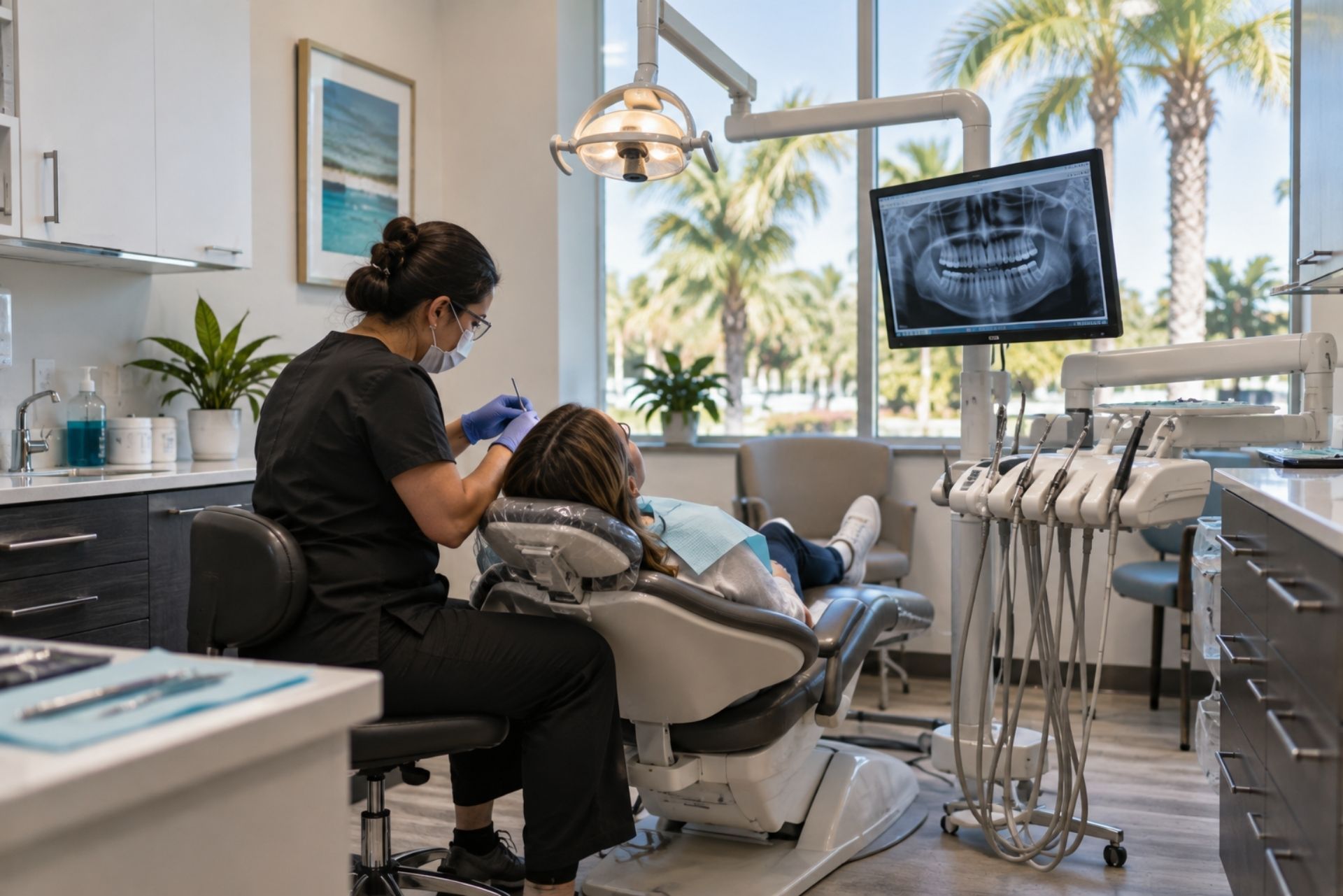
Running a dental practice in Florida means juggling clinical care, staff management, and a unique set of risks shaped by the state's weather, regulatory environment, and litigious culture. A single malpractice claim, a hurricane that floods your office in Fort Lauderdale, or a
data breach exposing patient records can threaten years of hard work overnight. The right insurance portfolio isn't a luxury here; it's the foundation that keeps your doors open and your license intact. Florida law sets specific minimums for
professional liability, and federal rules around HIPAA add another layer of compliance pressure that carries real financial consequences. Whether you're opening your first practice near Tampa or expanding a multi-location group in the Miami-Dade area, understanding each coverage type, how they interact, and what they actually cost will help you avoid the gaps that catch so many practice owners off guard. This guide breaks down the essential coverages, from professional and
general liability to property, equipment breakdown, cyber, workers' compensation, and the factors that drive your premiums up or down. Think of it as a practical checklist you can use to audit what you already carry and identify where you might be exposed.
Core Insurance Requirements for Florida Dental Practices
Florida holds dental professionals to clear insurance standards, and falling short isn't just risky; it can cost you your ability to practice. The state ties licensure to proof of coverage, so skipping a policy or letting one lapse has immediate consequences. Beyond the legal minimums, the practical reality is that Florida's tort environment, even after recent reform efforts, still produces a high volume of malpractice filings in healthcare. Your insurance portfolio needs to reflect both the regulatory floor and the real-world exposure you face every day in the operatory.
Professional Liability and Malpractice Coverage
Florida law mandates that practicing dentists carry professional liability insurance with minimum coverage of $100,000 per claim and $300,000 aggregate. Those are minimums, not recommendations. Most experienced brokers will tell you that a single complex malpractice suit, say a nerve injury from an implant procedure or a missed oral cancer diagnosis, can blow past $100,000 in legal defense costs alone before any settlement is reached.
Many Florida dentists carry $1 million per occurrence with a $3 million aggregate, which provides a more realistic buffer. You'll also need to decide between occurrence-based and claims-made policies. Occurrence policies cover incidents that happen during the policy period regardless of when the claim is filed. Claims-made policies only cover claims filed while the policy is active, which means you'll need tail coverage if you ever switch carriers or retire.
Florida Workers' Compensation Laws for Small Clinics
Florida requires workers' compensation for any construction business with one or more employees, but for non-construction businesses like dental practices, the threshold kicks in at four employees. That includes you as the owner if you're incorporated. Even if you're below the threshold, carrying workers' comp voluntarily protects you from personal lawsuits if a hygienist slips on a wet floor or an assistant develops carpal tunnel.
Premiums are calculated using your payroll and a classification code specific to dental offices. A small practice with three
clinical staff and one front-desk employee might pay $3,000 to $6,000 annually, depending on claims history. One thing to keep in mind : Florida's Division of Workers' Compensation audits employers, and penalties for non-compliance include stop-work orders that shut your practice down immediately.

By: Montreal Morand
Founder & Managing Partner
Macpherson Insurance Agency
Protecting Physical Assets and High-Tech Equipment
Your physical office and the equipment inside it represent a massive capital investment. A single CBCT machine can cost $80,000 to $150,000, and a fully built-out operatory runs $30,000 to $50,000 per chair. Florida's hurricane season, which runs June through November, adds a layer of property risk that practices in landlocked states simply don't face.
Commercial Property vs. Equipment Breakdown Insurance
Standard commercial property insurance covers damage from fire, wind, theft, and vandalism. It protects the building (if you own it), your tenant improvements, furniture, and general contents. But here's where operators get caught : most commercial property policies exclude mechanical or electrical breakdown. If your autoclave fails due to an internal electrical surge, or your compressor burns out, a property policy won't cover the repair or replacement.
Equipment breakdown insurance (sometimes called boiler and machinery coverage) fills that gap. It covers the cost of repairing or replacing equipment that fails due to mechanical breakdown, electrical arcing, motor burnout, or pressure system failure. For a dental office packed with sensitive electronics, this isn't optional; it's essential.
Coverage for Dental Tools, Chairs, and Imaging Tech
Your inland marine or scheduled equipment policy should list high-value items individually. Digital X-ray sensors, intraoral cameras, CAD/CAM milling units, and panoramic imaging systems all deserve specific coverage with agreed-upon values. Generic "contents" coverage often caps reimbursement at depreciated value, which means you'd get a fraction of what it costs to replace a five-year-old CEREC unit.
Work with your insurer to update your equipment schedule annually. Practices that add new technology mid-year and forget to notify their carrier risk finding out too late that a $60,000 laser isn't covered. Florida's saltwater air also accelerates corrosion on exterior
HVAC components and rooftop units, so factor environmental wear into your coverage discussions.
Cyber Security and HIPAA Compliance Risks
Dental practices store Social Security numbers, insurance details, medical histories, and payment information. That makes them a prime target for ransomware and phishing attacks. New federal HIPAA privacy rules that took effect in 2026 affect dental practices directly, tightening requirements around access controls, breach notification timelines, and patient data rights.
Data Breach Response and Patient Notification Costs
A single data breach at a mid-size dental practice can cost $150,000 to $400,000 when you add up forensic investigation, patient notification, credit monitoring, legal counsel, and public relations. Florida's Information Protection Act requires notification to affected individuals within 30 days, and HIPAA's federal requirements layer on top of that. Cyber liability insurance covers these costs and typically includes access to a breach response team that can guide you through the first 72 hours, which are the most critical.
Practices in areas like Miami and Orlando that handle high patient volumes face proportionally higher exposure. Compliance requirements for oral surgery and specialty practices in Miami can be even more demanding given the volume of sensitive records they manage.
Coverage for Regulatory Fines and Legal Penalties
HIPAA violations carry civil penalties ranging from $100 to $50,000 per violation, with annual caps reaching $2 million for willful neglect. A cyber policy with regulatory defense coverage pays for the attorneys who represent you during an HHS investigation and can cover the fines themselves, depending on the policy language. The Florida Dental Association's services division offers cyber liability resources tailored to dental practices, which is a good starting point for understanding your options.
Not every cyber policy is created equal. Look for one that covers social engineering fraud (when an employee is tricked into wiring money), business interruption from a cyber event, and ransomware payments. These are the scenarios that actually shut practices down.
Comparing Coverage Needs: General vs. Professional Liability
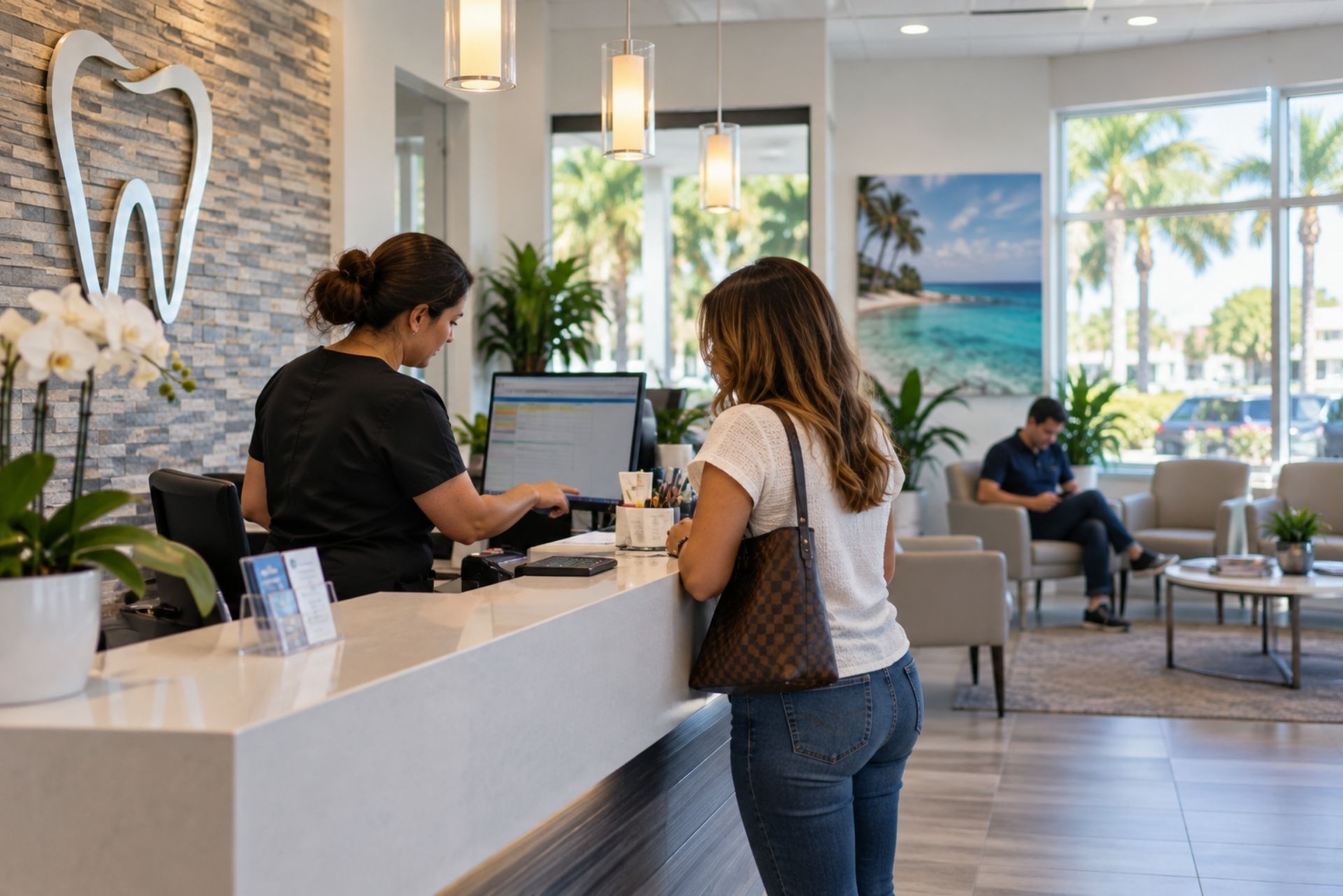
General liability and professional liability serve different purposes, and confusing the two is one of the most common mistakes dental practice owners make. General liability covers bodily injury and property damage that happen on your premises but aren't related to clinical care. A patient tripping over a cord in the waiting room falls under general liability. A patient claiming you damaged their nerve during an extraction falls under professional liability.
Comparison Table: Liability Types and Protection Limits
| Feature | General Liability | Professional Liability |
|---|---|---|
| Covers | Slip-and-fall, property damage to others, advertising injury | Malpractice, treatment errors, misdiagnosis |
| Typical Limits | $1M per occurrence / $2M aggregate | $1M per occurrence / $3M aggregate |
| Florida Requirement | Not state-mandated, but landlords and lenders often require it | State-mandated minimum: $100K/$300K |
| Common Claims | Patient falls in parking lot, water damage to neighboring tenant | Nerve damage, failed implant, missed pathology |
| Average Annual Cost | $500 - $1,500 | $1,500 - $4,000 for general dentists; higher for oral surgeons |
You need both. A
Business Owner's Policy (BOP) often bundles general liability with property coverage at a discounted rate, but professional liability is almost always purchased separately.
What Influences Insurance Costs in Florida?
Dental practice insurance costs in Florida vary widely based on geography, practice size, specialty, and claims history. A solo general dentist in Tallahassee will pay significantly less than a multi-provider oral surgery practice in South Florida.
Regional Factors and Practice Size Impacts
South Florida and coastal areas carry higher property insurance premiums due to hurricane exposure. A practice in Brickell might pay 30% to 50% more for property coverage than an identical office in Gainesville. Florida's 2023 tort reform legislation reduced some liability costs statewide, with certain healthcare providers seeing meaningful premium reductions as the reforms took hold. That said, oral surgeons and periodontists still pay more for professional liability because their procedures carry higher complication risks.
Practice size matters too. Every additional provider you add increases your professional liability exposure. Every additional employee raises your workers' comp premium. And every additional operatory adds equipment value that needs coverage.
Ways to Reduce Annual Premiums
- Maintain a clean claims history : even one malpractice claim can increase your professional liability premium by 15% to 30%.
- Bundle policies where possible : a BOP combining property and general liability often costs less than buying them separately.
- Increase deductibles on property and equipment policies if you have the cash reserves to self-insure smaller losses.
- Complete OSHA compliance training annually. Practices that follow current OSHA compliance checklists demonstrate lower risk profiles to underwriters.
- Install security systems, backup generators, and hurricane shutters to qualify for property insurance credits.
- Shop your policies every two to three years. Loyalty to a single carrier doesn't always reward you with the best rates.
Common Questions About Dental Insurance
FAQ: Do I need workers' comp if I only have two employees?
Florida doesn't require workers' comp for non-construction employers with fewer than four employees. But carrying it voluntarily shields you from personal injury lawsuits by staff, which can be far more expensive than the premium.
FAQ: Does property insurance cover my X-ray machine breaking down?
Usually not. Standard property insurance covers external perils like fire and theft. Internal mechanical or electrical failure requires a separate equipment breakdown policy.
FAQ: How much professional liability coverage is standard in Florida?
The state minimum is $100,000 per claim and $300,000 aggregate. Most practicing dentists carry $1 million per occurrence with a $3 million aggregate for realistic protection.
FAQ: Is cyber insurance required by law for dentists?
No state or federal law currently mandates cyber insurance for dental practices. However, HIPAA's financial penalties for data breaches make it a practical necessity, not a legal one.
FAQ: Can I bundle all these coverages into one policy?
You can bundle property, general liability, and sometimes equipment breakdown into a BOP. Professional liability and cyber insurance are typically separate policies. Workers' comp is always a standalone policy in Florida.
Making the Right Choice for Your Practice
Getting your insurance right isn't a one-time decision. It's something you should revisit every year as your practice grows, adds providers, invests in new technology, or opens additional locations. Florida's unique combination of hurricane risk, strict licensure requirements, and evolving HIPAA regulations means your coverage needs will shift over time.
Start by pulling your current declarations pages and comparing them against the coverages outlined here. Look for gaps, especially around equipment breakdown and cyber liability, which are the two areas where dental practices are most commonly underinsured. Get quotes from at least two brokers who specialize in healthcare or dental-specific insurance, because a generalist agent may not understand the nuances of your exposure.
Your practice is likely your largest financial asset. Protecting it with the right mix of professional liability, property, cyber, and workers' compensation coverage isn't just smart business; it's what separates practices that survive a crisis from those that don't.
ABOUT THE AUTHOR:
MONTREAL MORAND
With over 20 years of leadership experience in the insurance industry, I’ve dedicated my career to helping clients and agents make informed, confident decisions about their coverage. I’ve led high-performing teams, managed more than $128 million in premium, and earned multiple national awards for excellence. Today, my mission remains the same — to educate, empower, and provide dependable protection for the communities we serve.
Contact Us
Protect the Things That Matter Most
Reliable Coverage for Your Home & Lifestyle
Home Insurance
Protect your home, belongings, and personal liability with reliable coverage.
Stronger Coverage for Your Operations
Essential Protection for Your Company
Coverage built for businesses that depend on people, property, and equipment.
Industries We Support
Insurance for Everyday Local Businesses
Simple, reliable protection for the people who keep our communities running.
Plumbers
Plumbers Insurance
Protection for job-site hazards, tools, and customer property.
Restaurants
Restaurants Insurance
Coverage for fire risks, food inventory, and general liability.
HVAC Contractors
HVAC Contractors Insurance
Insurance for service vehicles, equipment, and installation risks.




Frequently Asked Questions
Helpful Answers to Common Questions
Quick guidance to help you understand your coverage.
What types of insurance does Macpherson Insurance Agency offer?
We provide both personal and commercial insurance solutions. On the personal side: homeowners, automobile, condo, renters, windstorm, flood, excess flood, and more. On the commercial side: general liability, property, inland marine, ocean marine, workers compensation, and more.
Do you specialize in homeowners insurance in South Florida?
Yes. We specialize in homeowners coverage in South Florida and work with multiple carriers based on your property’s age, location and replacement cost.
What does “replacement cost” mean in a policy?
Replacement cost is the cost to rebuild your home to the same standard it had before a loss — not the market value of your property.
Why is it important that my insurer is licensed in Florida?
Licensed Florida insurers are continuously monitored for financial stability — if one fails, the Florida Insurance Guaranty Fund may reimburse insureds for unpaid claims up to a limit.
Can I lower my homeowners premium with discounts?
Yes — mitigation features like impact glass, storm shutters, roof straps, and approved sheathing may qualify you for significant credit reductions.
Do you offer payment plans or premium financing?
Yes. In many cases, payment plans and premium financing are available to make coverage more affordable and manageable over time.
From the Blog
Helpful Tips & Insurance Guidance
Articles created to make insurance easier to understand.









Contact Us
Phone
Location