Owning or operating an aircraft in Florida comes with unique risks that require specialized insurance coverage. The Sunshine State’s dynamic weather patterns, including frequent hurricanes, combined with a bustling aviation market, make aviation insurance not just a formality but a necessity. Whether you’re a private aircraft owner or run a charter operation, understanding the nuances of aviation insurance in Florida can protect your investment and keep your operations running smoothly.
With Florida’s insurance market undergoing significant shifts, including rising reinsurance costs and evolving legislative reforms, staying informed about aviation insurance options is more important than ever. This article dives into the key aspects of aviation insurance tailored for Florida’s aircraft owners and charter operators, highlighting the challenges, coverage options, and recent industry developments.
Why Aviation Insurance Is Critical in Florida
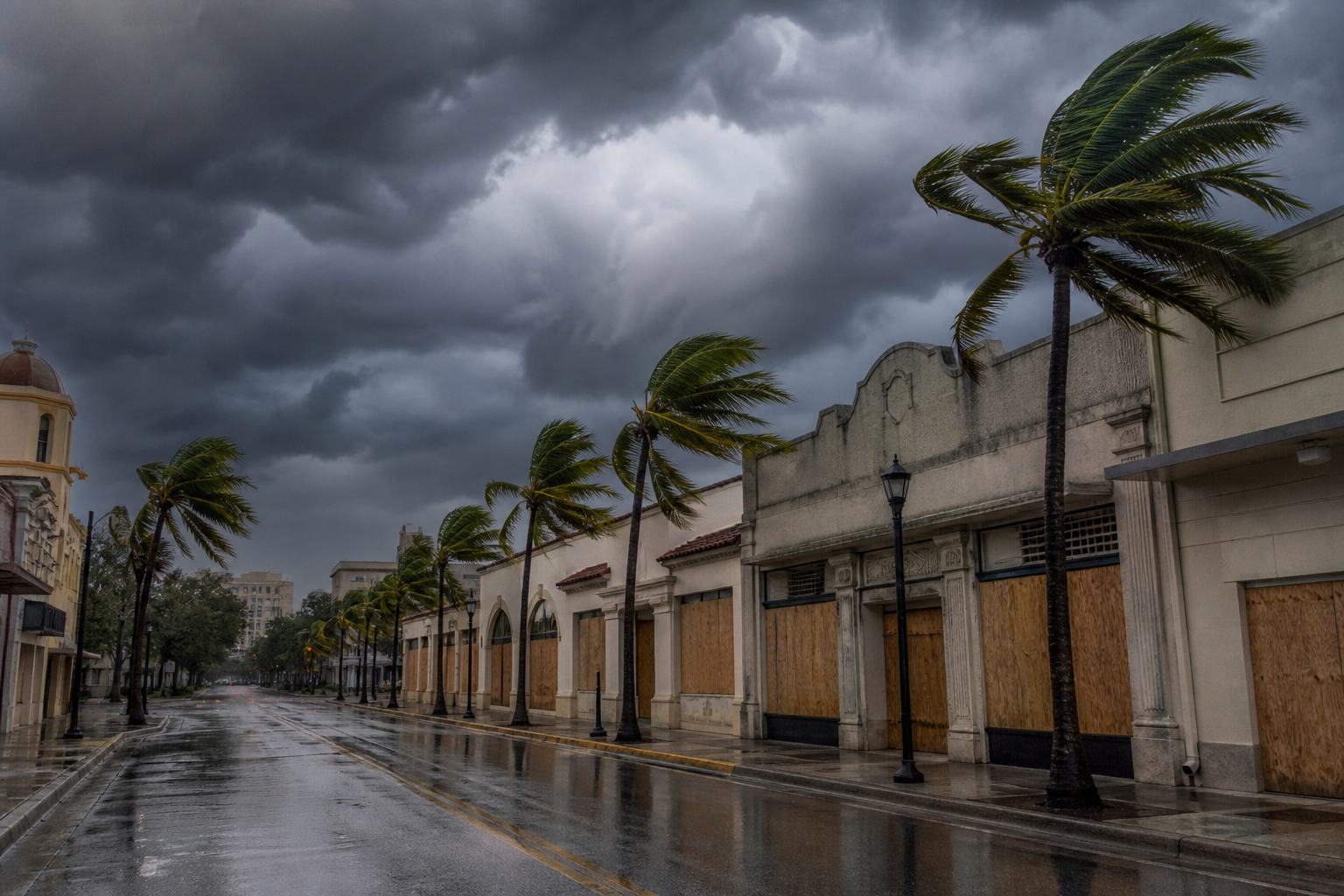
Florida’s geographic location exposes aircraft owners to a range of weather hazards that can severely impact aviation operations. Hurricanes Irma and Michael, for example, caused claims that were ten times higher than storms outside Florida, with litigation driving claim costs up by 30% to 50% according to a University of Florida study. This level of risk makes comprehensive insurance coverage a must-have for anyone involved in aviation here.
Beyond weather, Florida’s aviation market is influenced by rising reinsurance costs. Thomas K. Coughlin, president and CEO of Air-Sur, Inc., explains that “reinsurance costs tend to drive pricing of insurance rates, and they’re starting to go up.” This means premiums for aviation insurance are likely to increase, reflecting the higher costs insurers face when transferring risk to reinsurers.
For aircraft owners and charter operators, this translates into the need for carefully tailored policies that balance adequate coverage with cost efficiency. Understanding how these market forces affect insurance pricing helps operators make informed decisions about their coverage.
Additionally, the unique regulatory environment in Florida adds another layer of complexity to aviation insurance. The state is home to numerous aviation-related businesses, from flight schools to charter services, all of which must comply with stringent safety regulations set forth by the Federal Aviation Administration (FAA) and the Florida Department of Transportation. These regulations not only ensure safety but also influence the types of insurance coverage required for compliance. Operators must stay abreast of these regulations to avoid potential liabilities, which can further complicate their insurance needs.
Moreover, Florida's vibrant tourism industry contributes to a high volume of general aviation traffic, increasing the likelihood of accidents and incidents. With millions of visitors flocking to the state each year, charter services and private aircraft operations are in high demand. This bustling activity necessitates a robust insurance framework to protect against potential claims stemming from accidents, injuries, or property damage. As such, aviation insurance in Florida is not merely a safety net; it is a critical component of operational viability in a state where the skies are as busy as the beaches.


By: Montreal Morand
Founder & Managing Partner
Macpherson Insurance Agency
Types of Aviation Insurance Coverage for Aircraft Owners
Aviation insurance is not one-size-fits-all. Aircraft owners in Florida typically need several types of coverage to fully protect their assets and operations.
1. Aircraft Hull Insurance
This covers physical damage to the aircraft itself, whether from accidents, weather events, or other perils. Given Florida’s hurricane exposure, hull coverage is essential to safeguard against costly repairs or total loss. Policies often distinguish between “ground risk” (damage while the aircraft is on the ground) and “in-flight” coverage, with the latter usually commanding higher premiums. Additionally, it’s important for aircraft owners to regularly assess the value of their aircraft, as depreciation and market fluctuations can significantly impact coverage needs. Regular appraisals can ensure that the hull insurance reflects the current value of the aircraft, providing adequate protection in the event of a claim.
2. Liability Insurance
Liability coverage protects against claims arising from bodily injury or property damage caused by the aircraft. For charter operators, this is crucial as it covers passengers, third parties, and property on the ground. Liability limits can vary widely depending on the size and type of operation. Moreover, operators should consider the potential for increased liability exposure in high-traffic areas or during special events, where the risk of incidents may be elevated. Understanding the nuances of liability coverage can help aircraft owners tailor their policies to address specific operational risks, ensuring comprehensive protection.
3. Passenger Liability
Separate from general liability, passenger liability insurance specifically covers injuries to passengers during flights. This is particularly important for charter services where passenger safety is paramount. Given the increasing scrutiny on safety standards and regulations in the aviation industry, having robust passenger liability coverage can not only provide financial protection but also enhance the operator's reputation. Furthermore, some policies may include provisions for legal defense costs in the event of a lawsuit, which can be a significant financial burden for operators facing claims.
4. Charter Liability
Operators offering charter services need policies that address unique risks, including commercial liability exposures. These policies often include coverage for pilot errors, operational mishaps, and contractual liabilities. Additionally, charter operators should be aware of the varying regulations imposed by different states and countries, which can affect liability coverage requirements. Staying informed about these regulations can help ensure compliance and mitigate potential legal risks associated with cross-border operations.
5. Additional Coverages
Other optional coverages include coverage for spare parts, hangar keepers liability (covering damage to aircraft stored in your hangar), and non-owned aircraft liability (for aircraft you operate but do not own). Each of these coverages addresses specific risks that aircraft owners may encounter, particularly in Florida where the aviation market is diverse and dynamic. For instance, spare parts coverage can be invaluable for owners of vintage or specialized aircraft, where replacement parts may be hard to find and costly. Hangar keepers liability is also critical for those operating in shared hangar spaces, where the risk of damage to other aircraft can be significant.
Choosing the right mix depends on the nature of your aircraft use, whether private, commercial, or charter, and the specific risks you face in Florida’s aviation environment. It is advisable for aircraft owners to work closely with knowledgeable insurance brokers who specialize in aviation coverage, as they can provide insights into the best practices for risk management and help navigate the complexities of aviation insurance policies. Regularly reviewing and updating insurance coverage in response to changes in operations or regulations can also ensure that aircraft owners remain adequately protected in an ever-evolving industry.
Challenges Facing Florida’s Aviation Insurance Market
Florida’s insurance landscape has been turbulent across sectors, and aviation insurance is no exception. The state’s home insurance market, for example, saw active policies plummet from 3.2 million in 2014 to just 710,000 in 2024, a sign of broader market instability that can ripple into aviation insurance pricing and availability (Deep Sky Research).
In aviation, rising reinsurance costs have pushed insurers to adjust rates upward. However, Florida carriers have been proactive; in 2024, they increased reinsurance purchases by an average of 11%, helping to mitigate some rate hikes (Intelligent Insurer).
Litigation also adds complexity. Nearly 13% of Florida homeowners whose claims were denied sued their insurance companies in 2024, slightly up from 12.4% in 2022 (National Association of Insurance Commissioners). While this statistic relates to homeowners insurance, it reflects a litigious environment that can influence aviation claims handling and costs.
Moreover, the unique geographical challenges Florida faces, such as hurricanes and tropical storms, further complicate the aviation insurance landscape. Insurers must account for the increased risk of damage to aircraft and infrastructure during peak storm seasons, which can lead to higher premiums for operators. The frequency of severe weather events has prompted insurers to reassess their risk models, often resulting in stricter underwriting criteria and coverage limitations. As a result, many smaller aviation operators may find it increasingly difficult to secure affordable coverage, potentially stifling growth in the sector.
Additionally, the rise of advanced technologies in aviation, such as drones and electric aircraft, presents both opportunities and challenges for the insurance market. While these innovations can lead to safer operations and reduced accident rates, they also introduce new risks that are not yet fully understood. Insurers are tasked with developing policies that adequately cover these emerging technologies while balancing the need to remain competitive in a rapidly evolving market. This balancing act is crucial, as failure to adapt could result in significant gaps in coverage that leave aviation operators vulnerable.

Recent Industry Developments and Their Impact
Legislative reforms and market adjustments are beginning to stabilize Florida’s insurance sectors. The property insurance market, for instance, reported its first underwriting profit in eight years in 2024, helped by rate increases and regulatory changes (Active Property Care). This turnaround is significant, as it not only reflects improved financial health for insurers but also offers a glimmer of hope for homeowners who have faced skyrocketing premiums and limited coverage options in recent years. The reforms aim to create a more competitive environment, encouraging new entrants into the market and ultimately benefiting consumers through better pricing and services.
In aviation insurance, product innovation is also underway. In October 2025, Chubb launched Travel Pro, a new suite of travel insurance products designed to meet the needs of global travelers, indicating a trend toward more specialized coverage options that could benefit charter operators and frequent flyers alike (Fortune Business Insights). This launch reflects a growing recognition of the unique risks faced by travelers in a post-pandemic world, where concerns about cancellations, medical emergencies, and trip interruptions have become paramount. As the aviation industry continues to rebound, tailored insurance solutions like Travel Pro are likely to become essential for ensuring peace of mind for those who travel frequently for business or leisure.
Financial experts see opportunity amid these changes. John Seo, co-founder of Fermat Capital Management LLC, noted that reforms have opened the runway for tens of billions of dollars of fresh capital to flow into Florida over the next three to five years, potentially improving market capacity and stability (Florida Realtors). This influx of capital is expected to not only bolster the insurance market but also stimulate economic growth in related sectors, such as construction and real estate, as insurers become more willing to underwrite new projects. Moreover, this renewed confidence may encourage innovation within the insurance industry itself, leading to the development of new products and services that cater to the evolving needs of consumers and businesses alike.
How to Choose the Right Aviation Insurance in Florida
Selecting aviation insurance requires a clear understanding of your specific risks and operational profile. Here are some practical tips:
- Assess Your Risk Exposure: Consider factors like aircraft type, flight frequency, passenger numbers, and operating regions. Florida’s weather risks should weigh heavily in your evaluation.
- Review Coverage Limits Carefully: Ensure liability and hull coverage limits align with your potential exposure. Underinsuring can leave you vulnerable to catastrophic losses.
- Understand Policy Exclusions: Know what is not covered, such as certain natural disasters or pilot negligence, to avoid surprises.
- Work with Experienced Brokers: Aviation insurance is complex. A broker familiar with Florida’s market can tailor policies to your needs and help navigate rising costs.
- Consider Additional Protections: For charter operators, coverage for passenger liability and commercial risks is essential. Also, explore options like non-owned aircraft liability if applicable.
Regularly reviewing and updating your policy is crucial as your operation grows or market conditions change.
In addition to the factors mentioned, it’s also important to stay informed about the evolving regulatory landscape in Florida. The state has specific aviation laws and requirements that can impact your insurance needs. For instance, changes in state legislation regarding aviation operations or safety standards can necessitate adjustments in your coverage. Engaging with industry associations or attending aviation seminars can provide valuable insights into these developments, ensuring that your insurance remains compliant and adequate.
Furthermore, consider the financial stability and reputation of the insurance provider. Researching the insurer's claims history and customer service ratings can give you confidence in their ability to support you when needed. A company with a strong track record in aviation insurance will likely provide not only better service but also a more comprehensive understanding of the unique challenges faced by aviators in Florida, from the bustling air traffic around major airports to the more unpredictable flying conditions in remote areas.
Common Questions About Florida Aviation Insurance
Q: Is aviation insurance mandatory in Florida?
A: While not legally required for private aircraft, most lenders and charter regulations mandate insurance. It is highly recommended to protect your investment and operations.
Q: How do hurricanes affect aviation insurance premiums?
A: Hurricanes increase risk exposure, leading to higher premiums. Claims from storms like Irma and Michael have significantly raised costs for insurers operating in Florida.
Q: Can I get coverage for charter operations separately from private use?
A: Yes. Charter operations require specialized commercial aviation insurance that covers passenger liability and operational risks distinct from private policies.
Q: What role does reinsurance play in aviation insurance pricing?
A: Reinsurance helps insurers manage risk but adds to their costs. Rising reinsurance prices often lead to higher premiums for aircraft owners and operators.
Q: Are there new insurance products for aviation travelers in Florida?
A: Yes. For example, Chubb’s Travel Pro launched in 2025 offers tailored travel insurance solutions that can complement aviation coverage for frequent flyers and charter clients.
Q: How can I lower my aviation insurance costs?
A: Maintaining a strong safety record, choosing appropriate coverage limits, and working with knowledgeable brokers can help manage premiums effectively.
Q: What should charter operators watch for in their insurance policies?
A: Focus on passenger liability, commercial liability, and coverage for operational risks. Also, pay attention to exclusions and claims handling procedures.
Before You Go: Key Takeaways for Florida Aircraft Owners and Operators
Aviation insurance in Florida demands attention to detail and a clear understanding of the local risk environment. Hurricanes and litigation trends have pushed insurers to raise premiums, but legislative reforms and increased reinsurance purchases are helping stabilize the market. Tailored coverage that addresses both private and commercial risks is essential for protecting aircraft and operations.
Staying informed about market developments, such as new insurance products and capital inflows, can give aircraft owners and charter operators a competitive edge. Partnering with experienced insurance professionals ensures your coverage matches your risk profile and operational needs.
Florida’s aviation insurance market is evolving, but with the right approach, aircraft owners and charter operators can navigate these changes confidently and keep their flights secure.
ABOUT THE AUTHOR:
MONTREAL MORAND
With over 20 years of leadership experience in the insurance industry, I’ve dedicated my career to helping clients and agents make informed, confident decisions about their coverage. I’ve led high-performing teams, managed more than $128 million in premium, and earned multiple national awards for excellence. Today, my mission remains the same — to educate, empower, and provide dependable protection for the communities we serve.
Contact Us
Protect the Things That Matter Most
Reliable Coverage for Your Home & Lifestyle
Home Insurance
Protect your home, belongings, and personal liability with reliable coverage.
Stronger Coverage for Your Operations
Essential Protection for Your Company
Coverage built for businesses that depend on people, property, and equipment.
Industries We Support
Insurance for Everyday Local Businesses
Simple, reliable protection for the people who keep our communities running.
Plumbers
Plumbers Insurance
Protection for job-site hazards, tools, and customer property.
Restaurants
Restaurants Insurance
Coverage for fire risks, food inventory, and general liability.
HVAC Contractors
HVAC Contractors Insurance
Insurance for service vehicles, equipment, and installation risks.




Frequently Asked Questions
Helpful Answers to Common Questions
Quick guidance to help you understand your coverage.
What types of insurance does Macpherson Insurance Agency offer?
We provide both personal and commercial insurance solutions. On the personal side: homeowners, automobile, condo, renters, windstorm, flood, excess flood, and more. On the commercial side: general liability, property, inland marine, ocean marine, workers compensation, and more.
Do you specialize in homeowners insurance in South Florida?
Yes. We specialize in homeowners coverage in South Florida and work with multiple carriers based on your property’s age, location and replacement cost.
What does “replacement cost” mean in a policy?
Replacement cost is the cost to rebuild your home to the same standard it had before a loss — not the market value of your property.
Why is it important that my insurer is licensed in Florida?
Licensed Florida insurers are continuously monitored for financial stability — if one fails, the Florida Insurance Guaranty Fund may reimburse insureds for unpaid claims up to a limit.
Can I lower my homeowners premium with discounts?
Yes — mitigation features like impact glass, storm shutters, roof straps, and approved sheathing may qualify you for significant credit reductions.
Do you offer payment plans or premium financing?
Yes. In many cases, payment plans and premium financing are available to make coverage more affordable and manageable over time.
From the Blog
Helpful Tips & Insurance Guidance
Articles created to make insurance easier to understand.









Contact Us
Phone
Location