
A calm Saturday on Biscayne Bay can turn into a scramble to haul the boat out as a tropical system spins up in the Gulf. That kind of whiplash is just part of owning a boat in Florida. A staggering 41% of all U.S. hurricanes have made landfall in Florida, so every boater here lives with a level of weather risk that shapes how coverage should be built.
Florida also has some of the most complex and expensive property insurance in the country, and boat policies are caught inside that same storm of costs and regulations. Coverage that might be optional in a calmer coastal state can be critical here. The right policy is not only about protecting a boat from theft or collision, it is about understanding hurricane deductibles, navigating a stressed insurance market, and making smart tradeoffs so premiums stay manageable without leaving big gaps.
Why Florida Boat Insurance Matters More Than You Think
Plenty of boat owners assume their homeowners policy gives enough protection for a small skiff or a modest pontoon. In Florida, that assumption can backfire. Many home policies either exclude boats entirely or cap coverage at very low limits. Liability from an on-water accident, fuel spill costs, or a total loss from a named storm usually needs a dedicated boat or yacht policy.
Florida’s combination of crowded waterways, year-round boating, and intense weather raises both the chance and the cost of claims. A minor fender scrape in a marina can involve multiple damaged vessels, injured passengers, and environmental cleanup. Add in the fact that lenders and marinas often require specific coverage types, and boat insurance shifts from “nice to have” to a core part of responsible ownership.

By: Montreal Morand
Founder & Managing Partner
Macpherson Insurance Agency
Core Boat Insurance Coverages In Florida
Most Florida boat policies are built from a familiar set of building blocks, but the details matter. Two policies can list the same coverage names and still respond very differently after an accident or storm. Understanding those pieces helps when comparing quotes and deciding where to spend or save.
Liability coverage pays when a boater is legally responsible for injuring someone or damaging property. Hull or physical damage coverage protects the boat itself against risks like collision, sinking, theft, or fire, subject to deductibles and policy limits. There are also extras like uninsured boater coverage, towing and assistance, and coverage for gear or electronics that can make a real difference when things go wrong on the water.
Since it can be hard to keep track of what each piece does, it often helps to see the basics side by side.
| Coverage Type | What It Protects | Typical Use | Cost Impact |
|---|---|---|---|
| Liability | Injuries and property damage you cause to others | Collisions, hitting a dock, injuring a swimmer or passenger | Usually one of the biggest drivers of premium coverage |
| Hull / Physical Damage | The boat, motor, and often permanently attached equipment | Storm damage, sinking, theft, running aground predictability | Higher boat values lead to higher premiums |
| Medical Payments | Smaller medical bills for you and passengers tenant turnover | Vacant units are more susceptible to vandalism, water leaksMinor injuries on board or while boarding , and squatters | Modest cost, useful for quick claim resolution |
| Uninsured Boater | Injuries caused by a boater with no or little insurance | Hit-and-run on the water, underinsured operators | Usually affordable and strongly recommended |
| Towing & Assistance | On-water towing, jump starts, soft ungrounding | Breakdowns or running aground away from home port | Low to moderate cost, often worth the peace of mind |
| Personal Effects | Fishing gear, electronics, and other personal items | Theft from the boat, fire, or storm loss future risk | Depends on limits and item values |
Hurricanes, Storms, And Your Boat Policy
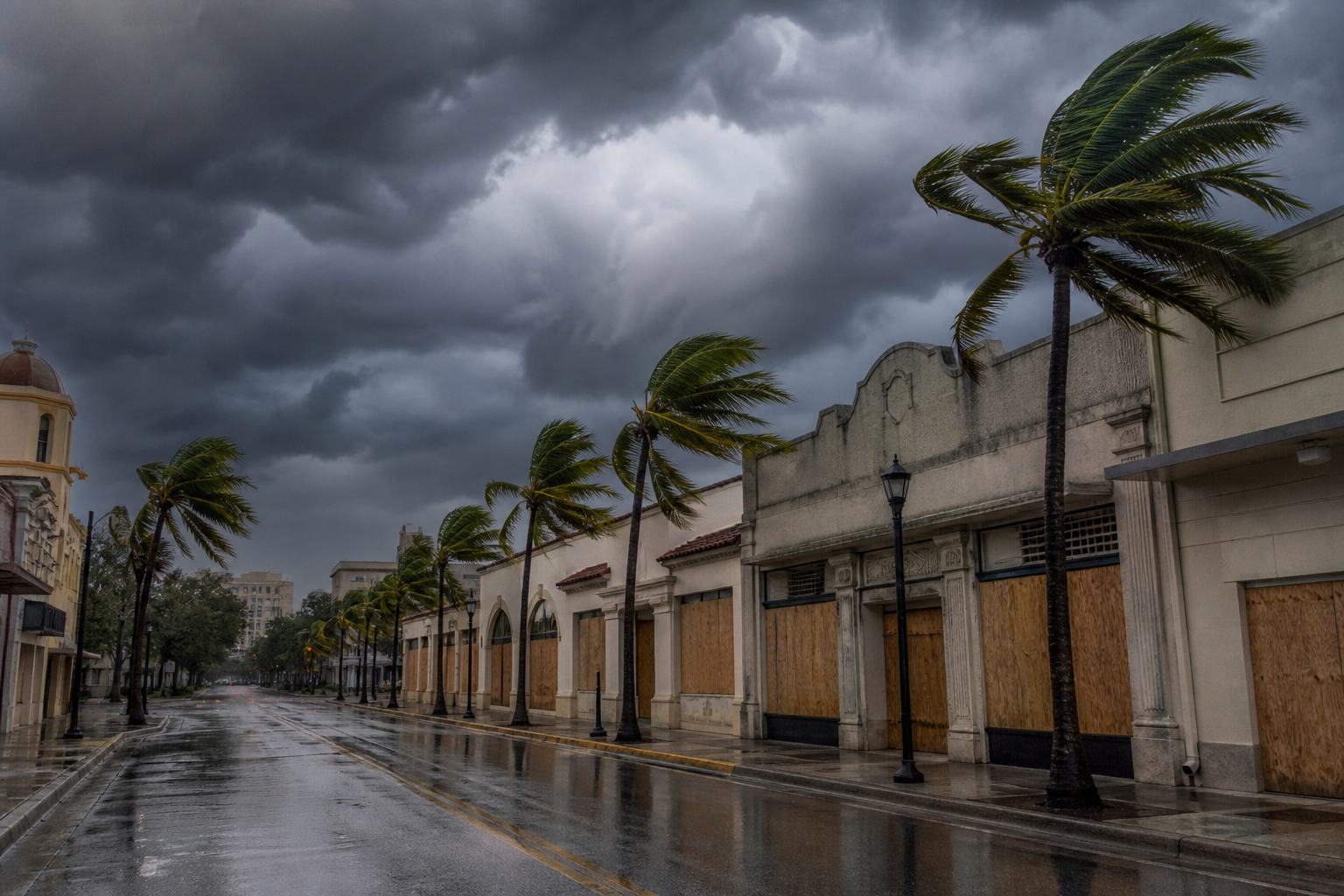
No risk shapes Florida boat insurance more than tropical weather. Even if a boat has never been damaged by a storm, the potential for catastrophic loss influences how insurers price policies, set deductibles, and write their rules. Many companies have strict requirements about where a boat must be stored when a hurricane watch or warning is issued, and they can reduce or deny coverage if those conditions are not met.
One of the trickiest pieces is the hurricane or named storm deductible. This is often separate from the standard hull deductible and can be much higher. Industry experts point out that the hurricane deductible is one of the most misunderstood aspects of boat insurance in Florida, partly because it may only apply in certain storm categories or only when a storm has an official name. Owners sometimes discover after a loss that their out-of-pocket cost is far higher than expected.
A strong hurricane section of a policy usually does three things clearly. It explains exactly when the hurricane deductible applies, it spells out storage or haul-out requirements during storm alerts, and it clarifies what happens if marinas or storage yards are full and a boater cannot comply with instructions. Those details are worth reviewing carefully before the season starts, not in the days after a storm.

What Boat Insurance Costs In Florida
There is no single typical premium for a Florida boat policy. Costs depend on the vessel’s value, size, age, horsepower, where it is kept, how it is used, and the boater’s experience and claims history. That said, Florida’s broader insurance landscape adds upward pressure. The state has been identified as an outlier, with property insurance costs that tower over most of the country. One recent report notes that Florida outpaces every other state in insurance costs, accounting for 10.8% of all premium costs in the U.S., even though it does not hold that same share of the population.
Affordability problems show up in sobering ways on land. Recent research points out that about 15% to 20% of Florida homeowners are uninsured, often because they simply cannot keep up with the cost of coverage. Boat insurance is a smaller line of business but swims in the same pool of risk and capital. When property insurers pull back or raise rates in coastal areas, marine insurers face similar cost and capacity pressures.
For a given boat, premiums generally rise with value, speed, and exposure to open water or offshore use. High theft areas, frequent hurricane strikes, or storage in flood-prone marinas can also push costs higher. Equipment that reduces losses, such as automatic fire suppression, alarms, tracking systems, or secure dry storage, tends to help keep premiums more manageable.
Market Stress, Climate Risk, And Availability Of Coverage
Florida’s property insurance market has been under strain for years, with some carriers leaving or going insolvent and others tightening underwriting guidelines. That stress spills over into marine coverage, especially for larger or more complex vessels, waterfront homes with docks, and high storm exposure areas. Still, there are signs of cautious stabilization. Regulators have worked to attract new capital and give insurers more tools to manage litigation and fraud.
One sign of that effort came in 2024, when the Florida Office of Insurance Regulation approved 14 new residential insurance writers, a move aimed at rebuilding capacity and restoring some competition. Boat insurance does not line up perfectly with homeowners coverage, but when the underlying property market starts to stabilize, it can gradually improve availability and pricing for marine risks too.
Climate change adds another layer of uncertainty. Rising sea levels and more intense rain events affect marinas, boatyards, and coastal properties just as much as houses and condos. Insurers are closely watching loss trends from flooding, wind, and storm surge, and they adjust underwriting appetites and prices as those patterns evolve. For boat owners, that means paying attention not only to where the market stands this year, but also to how it might shift over the life of the vessel.
How To Lower Your Boat Insurance Cost Without Gutting Coverage
Cutting coverage rarely works out well in Florida. One bad accident or storm can wipe out years of premium savings. The better strategy is to focus on choices that lower risk in ways insurers value, then use those improvements to shop intelligently among carriers and policy structures.
Safe storage is usually the biggest lever. Keeping a boat in a secure dry stack, a private lift, or a locked facility tends to draw lower premiums than leaving it at an exposed dock or on an open trailer. Insurers also care about hurricane planning. Having a realistic haul-out plan, using approved mooring systems, and following carrier guidelines before storms can help with both pricing and claims outcomes.
Other tactics often worth exploring include boater safety courses from recognized providers, clean motor vehicle and claims histories, appropriate navigation limits, and choosing deductibles that balance affordability with realistic out-of-pocket risk. Higher deductibles can trim premiums, but in a hurricane-prone state it is important not to push them to a level that would be painful to cover after a storm.
Claims, Deductibles, And Hurricane Season Prep
When a loss happens, the policy details that seemed minor at purchase suddenly become very real. Deductibles, exclusions, and documentation rules shape how smoothly a claim goes and how much money actually ends up in the owner’s pocket. In Florida, the difference between a standard hull deductible and a separate hurricane deductible is especially important, since a boat might never have a collision but could face several storm threats during its life.
Many boaters are surprised by how hurricane deductibles work. They may apply only when a storm reaches certain strength, only in specific counties, or only during a declared hurricane watch or warning. Combined with the fact that experts note the hurricane deductible is one of the most misunderstood aspects of boat insurance in Florida, this makes it essential to ask detailed questions before binding coverage. Clarity on this point helps avoid arguments later about when the higher deductible does or does not apply.
Good hurricane preparation usually starts long before a storm appears on the radar. Keeping photos and records of the boat’s condition, confirming storage arrangements, knowing where lines, fenders, and chafe protection are stored, and having clear instructions for family or crew members all make it easier to act quickly. After a storm, taking prompt photos, preventing further damage where safe, and contacting the insurer as soon as practical improves the odds of a smoother claim.
FAQs: Florida Boat Insurance
Boat insurance questions in Florida often sound similar on the surface, but the answers can be very different depending on the vessel, location, and how the boat is used. These quick responses cover some of the most common concerns and can help owners know what to ask when they sit down with an agent or broker.
Is boat insurance required by law in Florida?
Florida does not have a broad statewide law that requires every boat owner to carry insurance, but marinas, lenders, and certain facilities often require proof of coverage. Even when it is not mandated, liability coverage is strongly recommended to protect against injury and property damage claims.
Does my homeowners insurance cover my boat?
Many homeowners policies offer very limited coverage for small boats, and those restrictions get tighter in high-risk states like Florida. Larger, faster, or more valuable vessels almost always need a separate boat policy, especially if they are stored in a marina or used offshore.
How does a hurricane deductible affect my claim?
A hurricane deductible typically replaces the standard hull deductible when a loss is caused by a named storm under the policy’s rules. That amount is often higher, which means more out-of-pocket cost for the owner after storm damage, so it is important to understand when and how it applies.
Will my policy cover me if I take the boat to the Bahamas or beyond?
Coverage is usually limited to a defined navigation area, such as certain coastal waters or a region of the Caribbean. If trips beyond that area are planned, it is essential to talk with the insurer in advance to confirm or extend navigation limits.
Can I pause coverage when I am not using the boat?
Some carriers allow limited lay-up credits for periods when a boat is stored and not in use, but coverage is rarely turned off completely in Florida due to year-round storm and theft risk. Any changes to use or storage should be cleared with the insurer first.
What happens if my boat sinks in a storm at the dock?
If the policy includes hull coverage and the loss falls within covered causes, the insurer usually helps pay for both repairs and reasonable removal costs, subject to deductibles and policy limits. Marina contracts and local regulations may also require the owner to handle environmental cleanup, which makes solid coverage even more important.
Final Thoughts Before You Launch
Florida boating offers experiences that are hard to match anywhere else, from shallow flats fishing to long cruising routes and offshore runs. That same setting, with its tropical storms, crowded waterways, and shifting insurance market, demands a more deliberate approach to coverage. Owners who treat insurance as part of their overall boating plan, rather than an afterthought, are better positioned when the weather turns or an accident happens.
Long-term risk is changing as well. Florida TaxWatch has warned that by 2100,
over 1 million homes will be at risk from rising seas and related pressures, and that this growing exposure will continue to push property insurance rates higher. Boat insurance will evolve alongside those trends. Staying informed, reviewing policies regularly, and working with knowledgeable advisors help ensure that coverage keeps pace with both the boat and the changing coastline it calls home.
ABOUT THE AUTHOR:
MONTREAL MORAND
With over 20 years of leadership experience in the insurance industry, I’ve dedicated my career to helping clients and agents make informed, confident decisions about their coverage. I’ve led high-performing teams, managed more than $128 million in premium, and earned multiple national awards for excellence. Today, my mission remains the same — to educate, empower, and provide dependable protection for the communities we serve.
Contact Us
Protect the Things That Matter Most
Reliable Coverage for Your Home & Lifestyle
Home Insurance
Protect your home, belongings, and personal liability with reliable coverage.
Stronger Coverage for Your Operations
Essential Protection for Your Company
Coverage built for businesses that depend on people, property, and equipment.
Industries We Support
Insurance for Everyday Local Businesses
Simple, reliable protection for the people who keep our communities running.
Plumbers
Plumbers Insurance
Protection for job-site hazards, tools, and customer property.
Restaurants
Restaurants Insurance
Coverage for fire risks, food inventory, and general liability.
HVAC Contractors
HVAC Contractors Insurance
Insurance for service vehicles, equipment, and installation risks.




Frequently Asked Questions
Helpful Answers to Common Questions
Quick guidance to help you understand your coverage.
What types of insurance does Macpherson Insurance Agency offer?
We provide both personal and commercial insurance solutions. On the personal side: homeowners, automobile, condo, renters, windstorm, flood, excess flood, and more. On the commercial side: general liability, property, inland marine, ocean marine, workers compensation, and more.
Do you specialize in homeowners insurance in South Florida?
Yes. We specialize in homeowners coverage in South Florida and work with multiple carriers based on your property’s age, location and replacement cost.
What does “replacement cost” mean in a policy?
Replacement cost is the cost to rebuild your home to the same standard it had before a loss — not the market value of your property.
Why is it important that my insurer is licensed in Florida?
Licensed Florida insurers are continuously monitored for financial stability — if one fails, the Florida Insurance Guaranty Fund may reimburse insureds for unpaid claims up to a limit.
Can I lower my homeowners premium with discounts?
Yes — mitigation features like impact glass, storm shutters, roof straps, and approved sheathing may qualify you for significant credit reductions.
Do you offer payment plans or premium financing?
Yes. In many cases, payment plans and premium financing are available to make coverage more affordable and manageable over time.
From the Blog
Helpful Tips & Insurance Guidance
Articles created to make insurance easier to understand.




Contact Us
Phone
Location