
An asphalt driveway or parking lot can run several dollars per square foot in Florida, and for larger projects the final bill often reaches into five figures. When something goes wrong, that same surface turns from a profit maker into an expensive claim. Florida estimates show that asphalt paving projects can cost between five and nine dollars per square foot in twenty twenty five, including materials and installation, which means even a modest failure can wipe out a season’s profit if it is not insured correctly asphalt paving cost estimates in Florida.
Contractors across the state know how hard it is to win bids, schedule crews around the heat and storms, and keep equipment running. Insurance often feels like one more bill, one more renewal date, and something to deal with only when certificates are due. Yet for asphalt and paving contractors in Florida, insurance is one of the few tools that can keep a single bad job from threatening the entire company.
This guide walks through the coverages that matter most, how insurers look at your risk, what affects your premiums, and how to use insurance as part of a broader risk management plan. The focus stays on practical decisions for Florida paving businesses, whether the operation is a small crew doing driveways or a larger firm handling municipal roads and commercial parking lots.
Why Insurance Matters For Florida Asphalt And Paving Contractors
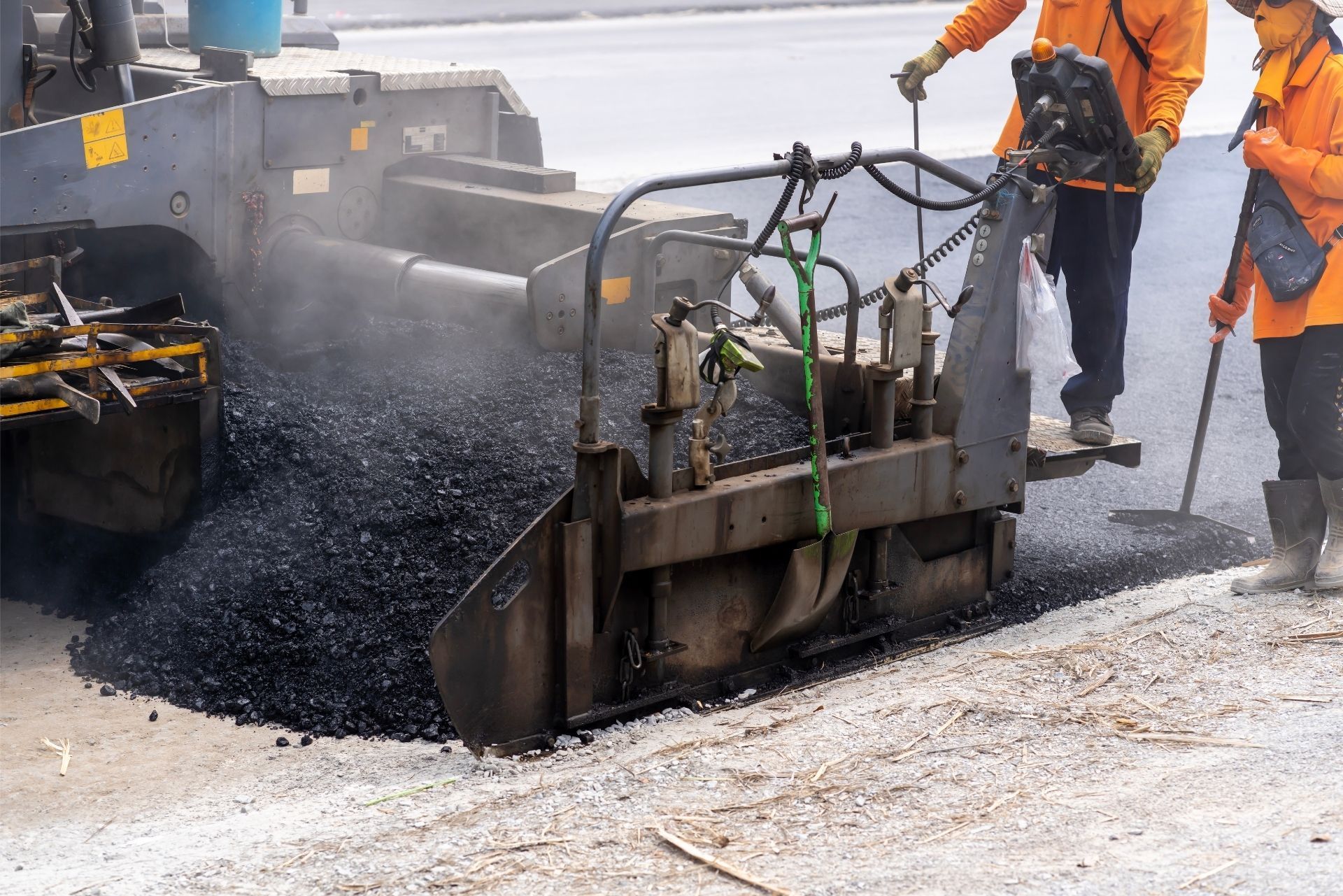
Paving is physically demanding work, often done in high heat around moving traffic and heavy machinery. One misjudged backing maneuver, one soft subgrade that fails, or one distracted motorist near a work zone can lead to severe injury or property damage. Industry data notes that whether contractors work on roads, driveways, or parking lots, paving is considered one of the most dangerous trades in the country paving is one of the most dangerous professions.
Insurance steps in when that risk turns into real losses. A properly designed insurance program covers injuries to members of the public, damage to client property, injuries to employees, and losses involving vehicles and specialized equipment. For many public and commercial jobs, proof of coverage is not optional. General contractors, municipalities, and property managers often require certificates of insurance before work begins, and they may insist on specific limits or endorsements.
Just as important, insurance buys time and stability. When a serious claim hits, the carrier provides legal defense, access to adjusters, and the financial backing to pay settlements or judgments up to the policy limits. That support allows the business owner to keep crews moving and projects on schedule while the claim works through the system, instead of diverting all attention to lawsuits and negotiations.


By: Montreal Morand
Founder & Managing Partner
Macpherson Insurance Agency
The Core Insurance Policies Every Florida Paving Business Needs
Different paving firms have different risk profiles. A driveway specialist working in residential neighborhoods faces different exposures than a highway contractor with flagging crews and milling machines. Even so, several core policies show up again and again on insurance certificates for Florida asphalt contractors.
These policies handle the main categories of risk that come with paving work: injury or damage to others, injuries to employees, vehicle incidents, and losses to tools and equipment. Getting these pieces right lays the foundation for everything else, including project specific requirements, contract compliance, and umbrella coverage for larger jobs.
From there, more specialized coverages can be added, such as pollution liability or professional liability, but those build on the fundamentals. The following sections break down each key policy in practical terms.
General Liability Insurance: Your First Line Of Defense
General liability insurance protects the business when a third party claims bodily injury or property damage because of the contractor’s work. A visitor trips over a hose near the paver, asphalt tracks into a finished lobby and ruins the floor, or a compactor cracks a client’s water line. In each of these scenarios, general liability is typically the policy that responds. Florida asphalt contractors are often advised to carry this coverage as a baseline, since it addresses many of the most common claim types in the trade general liability recommendations for asphalt contractors.
This coverage usually pays for legal defense, settlements, or judgments, up to the policy limits and subject to the deductible. It can also cover certain types of completed operations claims, such as surface failures that cause injuries after work is finished, depending on the policy wording. Many commercial clients will specify minimum general liability limits in their contracts, so choosing appropriate limits is not just a safety decision, it is a business development issue as well.
Workers Compensation Insurance In Florida
Workers compensation insurance covers medical expenses, a portion of lost wages, and related benefits when employees suffer work related injuries or illnesses. In Florida, paving businesses that employ workers are required to carry this coverage, regardless of how careful the company may be on safety workers compensation requirements for Florida asphalt businesses.
Premiums for workers compensation are influenced heavily by payroll and headcount. Estimates for asphalt businesses in Florida suggest that annual costs can range from around four hundred dollars to around three thousand dollars or more, depending on payroll size and the number of employees on the crew workers compensation cost ranges for asphalt contractors. While that cost may feel significant, a single serious injury can easily exceed those amounts, making workers compensation one of the most critical protections for any crew that works around hot mix, rollers, and traffic.
Commercial Auto Insurance For Trucks And Haulers
Paving work depends on vehicles. Dump trucks bringing in asphalt, pickups hauling crews and tools, tack trailers, and possibly lowboys moving rollers or small pavers. Personal auto policies rarely cover these vehicles appropriately, especially when they are titled to the business or used as part of day to day operations.
Commercial auto insurance covers liability for bodily injury and property damage arising from the use of covered vehicles. It can also provide coverage for physical damage to the vehicles themselves. Given the exposure to traffic, tight job sites, and frequent backing, commercial auto claims are a real concern for paving contractors. Insurers pay close attention to driver records, maintenance practices, radius of operation, and how vehicles are stored when quoting premiums for this coverage.
Equipment, Tools, And Inland Marine Coverage
Pavers, rollers, skid steers, saws, compactors, and small hand tools represent a significant investment. These items travel from yard to job site to storage and are vulnerable to theft, fire, flooding, and accidental damage. Standard property policies may offer limited protection, often tied to a specific location, which does not match the way paving equipment is actually used.
Contractors rely on equipment and inland marine coverage to insure mobile machinery and tools wherever they go. This type of policy can cover items while they are on a job site, in transit, or temporarily stored off premises. Thoughtful scheduling of larger items and realistic valuation of tools helps avoid gaps, especially in areas where theft from job sites and yards is a recurring issue.
Umbrella And Excess Liability Coverage
For contractors that bid on municipal roads, highways, airports, or large commercial parking lots, base liability limits may not be enough. A severe crash in a work zone, a multi vehicle pileup involving a company truck, or a large claim involving multiple injured parties can easily exceed primary general liability or auto limits.
Umbrella or excess liability policies sit on top of underlying coverages and provide an additional layer of protection once the primary limits are exhausted. Many public entities and national retailers require proof of these higher limits before awarding contracts. Even when it is not required, umbrella coverage is often a cost effective way to buy significant additional protection, especially compared to the potential size of catastrophic claims.
What Drives Insurance Costs For Asphalt And Paving Contractors
Two contractors can operate in the same county, use similar trucks and machines, and still pay very different premiums. Insurers look at a range of factors when pricing coverage for paving businesses, and understanding those variables helps explain why quotes differ and what can be done to manage costs over time.
Key influences on price include the type of work performed, the value of owned equipment and property, annual revenue and payroll, the mix of coverages purchased, and chosen limits and deductibles. Insurance specialists who work with construction trades often highlight these cost drivers when helping paving firms tailor their coverage and manage their budget insurance cost factors for paving contractors.
| Coverage Type | What It Primarily Protects | Why It Matters For Paving Work |
|---|---|---|
| General Liability | Injuries or property damage to others | Handles trip hazards, overspray, surface failures, and damaged structures or landscaping. |
| Workers Compensation | Employee injuries and work related illnesses | Protects crew members who work around heat, moving equipment, and traffic. |
| Commercial Auto | Vehicle accidents and related liability | Covers dump trucks, pickups, and other vehicles that move crews and materials. |
| Equipment / Inland Marine | Owned tools and machinery | Insures pavers, rollers, and tools that constantly move between jobs and storage. |
| Umbrella / Excess | Large claims that exceed base limits | Adds a buffer against severe work zone or auto losses that could threaten the business. |
Different coverages respond to different categories of loss, and together they create a layered safety net. When evaluating quotes, it helps to look not only at the total premium but also at how these pieces fit together. For example, choosing higher deductibles on equipment coverage might free up budget for stronger liability limits, which could be a better tradeoff for contractors who take on high exposure jobs.
How Safety, Project Type, And Reputation Affect Risk
Insurance is only part of the risk story. Paving contractors influence their own risk every day through the projects they bid, the safety culture they maintain, and the standards they set for workmanship. Insurers pay close attention to these factors, and so do clients and general contractors.
Project type matters. Work on busy arterial roads brings different hazards than cul de sac driveways. Night work on highways, school campuses, hospital entrances, and shopping centers all come with unique exposure to pedestrians, distracted drivers, and strict requirements for traffic control. Public agencies and sophisticated commercial owners often expect documented safety plans, regular toolbox talks, and evidence of driver training as a condition of awarding work.
Reputation also plays a role. Florida contractors that consistently deliver high quality pavement, meet scheduling commitments, and maintain clean safety records stand apart in bid evaluations and in the eyes of insurers. For example, a Florida firm that received multiple statewide pavement excellence awards for its work on a long stretch of interstate showcased not only craftsmanship but also the ability to manage complex logistics and safety on a major transportation corridor Florida pavement excellence recognition. That kind of track record can support stronger relationships with underwriters and clients alike.
- Use written job hazard analyses for recurring tasks like milling, paving, and striping.
- Train spotters and drivers on backing procedures and blind spots, especially on tight job sites.
- Maintain traffic control plans for work near roadways, including proper signage and flagging.
- Inspect equipment regularly and document maintenance and repairs.
- Adopt a clear policy on heat illness prevention, hydration, and rest breaks in Florida’s climate.
These practices do more than keep crews safe. Over time, fewer incidents translate into fewer claims. That history feeds into future underwriting decisions, which can help with premium stability, access to better coverage terms, and a stronger position when negotiating with both clients and insurers.
Practical Steps To Build The Right Insurance Program
Many paving contractors purchase insurance reactively, only reviewing coverage when a certificate request shows a new requirement or when renewal arrives. A more intentional approach treats insurance as a tool that supports growth, protects cash flow, and strengthens a company’s standing with clients.
The process starts with a clear picture of operations. That means outlining the types of projects typically handled, average and maximum contract values, the mix of residential, commercial, and public work, and the equipment and vehicles involved. From there, an experienced insurance professional can map those realities to coverage types, limits, and endorsements that align with actual risk instead of using a generic template.
- Gather contracts and bid documents that show insurance requirements from key clients.
- List all vehicles, trailers, and pieces of mobile equipment, including approximate values.
- Document safety programs, training records, and any third party certifications.
- Review prior claims, including near misses, to understand where losses tend to occur.
- Decide what level of risk the company is willing to self insure with higher deductibles.
Regularly scheduled reviews, at least once each year or after major changes in operations, help keep coverage aligned with reality. Growth into new regions, acquisition of new equipment, shifts from private to public work, or substantial changes in crew size all warrant a fresh look at policies and limits.
Frequently Asked Questions About Insurance For Florida Paving Contractors
Questions about coverage come up constantly in conversations with Florida paving businesses. The following answers cover common concerns in plain language so owners and managers can make more confident decisions before the next bid or renewal.
Is general liability really necessary if my paving work is limited to driveways?
Yes, general liability is important even for small driveway or residential work. Trip and fall injuries, damaged landscaping, overspray on garages or fences, and complaints about surface defects can all become claims that general liability is designed to handle.
Do I need workers compensation if I use mostly part time or seasonal workers?
In Florida, the requirement for workers compensation is tied to having employees, not to whether they are full time, part time, or seasonal. Asphalt and paving businesses with employees are expected to carry this coverage to protect their crews and comply with state rules Florida workers compensation obligations for asphalt contractors.
What kind of insurance do I need for my paver, roller, and other machines?
These items are usually insured under equipment or inland marine policies rather than standard auto or property coverage. The policy can cover them at job sites, in transit, or stored at the yard, which matches the way paving contractors actually use their machinery.
Why do some clients demand higher liability limits than I normally carry?
Larger commercial and public clients often set higher minimum limits because they are concerned about catastrophic events, such as major traffic accidents in work zones. They want reassurance that if something serious happens during the project, the contractor’s insurance has enough capacity to respond.
How can I lower my insurance costs without cutting coverage I really need?
Insurers respond well to demonstrated risk control, such as formal safety programs, clean driver records, and documented maintenance. Adjusting deductibles, reviewing equipment values, and making sure coverage closely matches actual operations can also help manage premiums while keeping essential protection in place.
Does my commercial auto policy cover employees driving their own vehicles to the job site?
Standard commercial auto policies focus on listed business vehicles. To address employee owned vehicles used for company business, contractors often add non owned auto coverage, which provides liability protection when employees drive their own cars for work related purposes such as picking up supplies or visiting job sites.
Before You Go: Key Points Florida Paving Crews Should Remember
Florida asphalt and paving contractors operate in a demanding environment. Heat, storms, heavy traffic, and tight project deadlines all combine to create real risk. Insurance cannot prevent those challenges, but it can turn unpredictable events into manageable expenses, and it can provide the backing needed to take on larger and more complex projects with confidence.
A strong insurance program for a paving business usually combines general liability, workers compensation, commercial auto, equipment coverage, and, for many, an umbrella or excess liability layer. Specialists who focus on asphalt contractors often recommend looking at this coverage mix as a unified safety net rather than a series of separate policies, which helps ensure that gaps are closed and limits are sized correctly for the work being done
comprehensive insurance strategies for asphalt paving contractors. With thoughtful planning, regular reviews, and a commitment to safety, insurance becomes less of a reluctant purchase and more of a strategic tool that supports long term growth.
ABOUT THE AUTHOR:
MONTREAL MORAND
With over 20 years of leadership experience in the insurance industry, I’ve dedicated my career to helping clients and agents make informed, confident decisions about their coverage. I’ve led high-performing teams, managed more than $128 million in premium, and earned multiple national awards for excellence. Today, my mission remains the same — to educate, empower, and provide dependable protection for the communities we serve.
Contact Us
Protect the Things That Matter Most
Reliable Coverage for Your Home & Lifestyle
Home Insurance
Protect your home, belongings, and personal liability with reliable coverage.
Stronger Coverage for Your Operations
Essential Protection for Your Company
Coverage built for businesses that depend on people, property, and equipment.
Industries We Support
Insurance for Everyday Local Businesses
Simple, reliable protection for the people who keep our communities running.
Plumbers
Plumbers Insurance
Protection for job-site hazards, tools, and customer property.
Restaurants
Restaurants Insurance
Coverage for fire risks, food inventory, and general liability.
HVAC Contractors
HVAC Contractors Insurance
Insurance for service vehicles, equipment, and installation risks.




Frequently Asked Questions
Helpful Answers to Common Questions
Quick guidance to help you understand your coverage.
What types of insurance does Macpherson Insurance Agency offer?
We provide both personal and commercial insurance solutions. On the personal side: homeowners, automobile, condo, renters, windstorm, flood, excess flood, and more. On the commercial side: general liability, property, inland marine, ocean marine, workers compensation, and more.
Do you specialize in homeowners insurance in South Florida?
Yes. We specialize in homeowners coverage in South Florida and work with multiple carriers based on your property’s age, location and replacement cost.
What does “replacement cost” mean in a policy?
Replacement cost is the cost to rebuild your home to the same standard it had before a loss — not the market value of your property.
Why is it important that my insurer is licensed in Florida?
Licensed Florida insurers are continuously monitored for financial stability — if one fails, the Florida Insurance Guaranty Fund may reimburse insureds for unpaid claims up to a limit.
Can I lower my homeowners premium with discounts?
Yes — mitigation features like impact glass, storm shutters, roof straps, and approved sheathing may qualify you for significant credit reductions.
Do you offer payment plans or premium financing?
Yes. In many cases, payment plans and premium financing are available to make coverage more affordable and manageable over time.
From the Blog
Helpful Tips & Insurance Guidance
Articles created to make insurance easier to understand.








Contact Us
Phone
Location