Running a deli or quick-service restaurant in Florida means juggling food costs, staffing headaches, health inspections, and a hurricane season that seems to get worse every year. One thing you can't afford to overlook is your insurance coverage. A single slip-and-fall claim, a kitchen fire, or a three-day power outage from a tropical storm can drain your bank account faster than a slow Tuesday lunch shift. The problem is that many Florida food service owners either carry too little coverage or pay too much for policies that don't match their actual risks. Whether you're running a sandwich shop in Boca Raton or a quick-service spot near Tampa's Riverwalk, the right insurance strategy protects both your livelihood and your peace of mind. Florida's market has shifted significantly since the 2023 tort reform legislation, and those changes are creating real opportunities for small
business owners who know where to look. This guide breaks down the policies you need, the Florida-specific risks you face, and the coverage gaps that catch restaurant owners off guard. Think of it as a practical playbook for protecting your business without overspending.
Essential Insurance Policies for Florida Food Service
Every deli and quick-service restaurant in Florida needs a core set of policies. Skipping any of these is a gamble that rarely pays off. Here's what belongs in your foundation.
General Liability and Slip-and-Fall Protection
General liability insurance is your first line of defense against third-party claims. For food service businesses, slip-and-fall incidents are the most common source of lawsuits. A customer steps on a wet floor near the drink station, breaks a wrist, and suddenly you're facing a $50,000 claim. Your GL policy covers medical expenses, legal fees, and settlements.
Most Florida delis should carry at least $1 million per occurrence and $2 million aggregate. If you're in a high-traffic area like Miami's Brickell district or a busy strip mall in Orlando, consider higher limits. Florida's tort reform under HB 837 has reduced frivolous litigation and shifted the burden of proof in negligence cases, which is good news for business owners. But it doesn't eliminate your exposure. You still need solid coverage.
Property Insurance for Kitchen Equipment and Inventory
Your commercial oven, walk-in cooler, fryers, and POS system represent tens of thousands of dollars in assets. Property insurance covers damage or loss from fire, theft, vandalism, and certain weather events. A grease fire that guts your kitchen could easily cost $80,000 to $120,000 in equipment replacement alone.
One thing to keep in mind : standard property policies often exclude flood damage. If your deli sits in a flood zone, and many Florida locations do, you'll need a separate flood policy through the National Flood Insurance Program or a private insurer. Don't assume your landlord's policy covers your equipment. It almost never does.
Workers' Compensation Florida State Mandates
Florida law requires workers' compensation insurance for any business with four or more employees. In the restaurant industry, where cuts, burns, and repetitive strain injuries are common, this isn't just a legal requirement. It's essential protection. A line cook who suffers a deep fryer burn could rack up $15,000 in medical bills quickly.
Even if you have fewer than four employees, carrying workers' comp voluntarily shields you from personal liability lawsuits. The cost typically runs between $1.50 and $3.00 per $100 of payroll for restaurant workers, depending on your claims history and specific job classifications.

By: Montreal Morand
Founder & Managing Partner
Macpherson Insurance Agency
Addressing Florida-Specific Environmental Risks
Florida's climate creates insurance challenges you won't find in most other states. Your policies need to account for hurricanes, flooding, extreme heat, and the power outages that follow major storms.
Hurricane and Windstorm Coverage Extensions
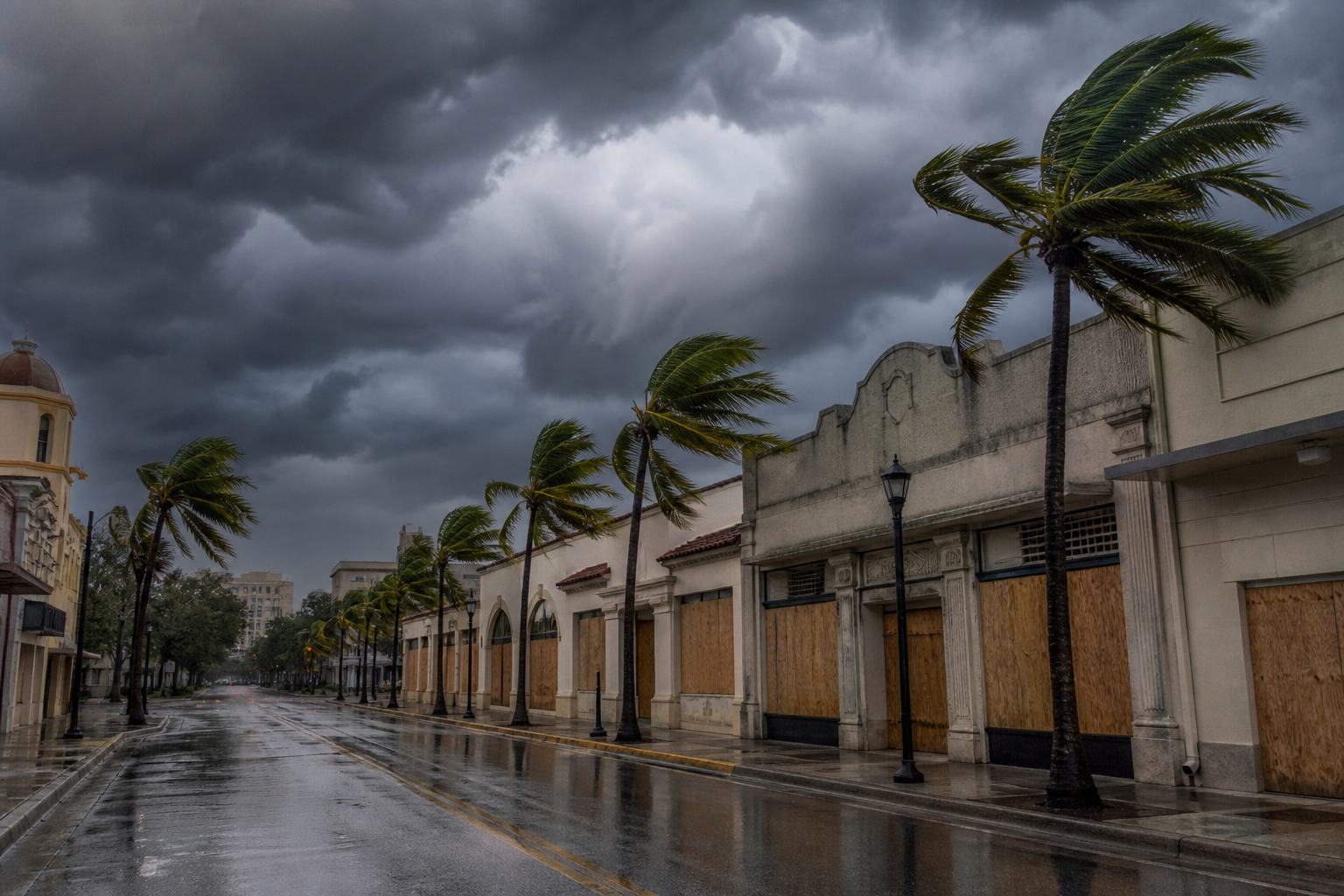
Standard commercial property policies in Florida often exclude windstorm damage. You'll need a separate windstorm endorsement or a standalone policy, especially if you're in a coastal county. The 2026 Atlantic hurricane season forecast calls for above-average activity, continuing a trend that's made Florida one of the most expensive states for commercial property insurance.
Windstorm deductibles in Florida are typically percentage-based, often 2% to 5% of your insured property value. On a $300,000 policy, that's a $6,000 to $15,000 deductible before coverage kicks in. Budget accordingly and keep cash reserves specifically for this purpose.
Spoilage Coverage for Power Outages
A 48-hour power outage can destroy thousands of dollars in perishable inventory. Spoilage coverage, sometimes called food contamination coverage, reimburses you for lost inventory when refrigeration fails due to a covered event. For a deli stocking fresh meats, cheeses, and produce, this coverage is non-negotiable.
Most policies cap spoilage at $10,000 to $25,000. If your walk-in holds more than that in product, request a higher limit. The premium increase is usually modest, often under $200 per year, and it pays for itself the first time you lose power for two days during a tropical storm.
Business Interruption for Seasonal Disruptions
Business interruption insurance replaces lost income when a covered event forces you to close temporarily. After a hurricane, you might be shut down for weeks while repairs happen. This policy covers your ongoing expenses like rent, loan payments, and employee wages during the closure.
Pay close attention to the waiting period. Most policies have a 48 to 72 hour waiting period before coverage begins. Some insurers offer options to reduce this to 24 hours for an additional premium. For a restaurant that generates $2,000 to $5,000 in daily revenue, every day matters.
Comparing Basic vs. Comprehensive Deli Coverage
Not all policies are created equal. Here's how a bare-minimum approach compares to a more thorough coverage plan for Florida deli and restaurant owners :
| Coverage Area | Basic Policy | Comprehensive Policy |
|---|---|---|
| General Liability | $500K per occurrence | $1M-$2M per occurrence |
| Property Insurance | Building only | Building + equipment + inventory |
| Windstorm | Excluded | Included with 2-5% deductible |
| Spoilage | Not covered | $10K-$25K limit |
| Business Interruption | Not covered | 12 months of lost income |
| Workers' Comp | State minimum only | Includes voluntary coverage |
| Liquor Liability | Not included | Included if serving alcohol |
| EPLI | Not included | $50K-$250K coverage |
The basic approach might save you $1,500 to $3,000 annually on premiums. But a single uncovered claim can cost ten times that amount. Florida's competitive insurance market, which has seen
20 new insurance companies enter since the 2023 reforms, means you can often find comprehensive coverage at surprisingly reasonable rates if you shop around.

Managing Specialized Restaurant Liabilities
Beyond the basics, several specialized policies address risks unique to food service operations. These are the coverage gaps where operators get caught.
Liquor Liability for Beer and Wine Sales
If your deli sells beer and wine, even just a cooler of six-packs, you need liquor liability insurance. Florida's dram shop laws can hold you liable if an intoxicated customer causes harm after purchasing alcohol from your establishment. A standard GL policy won't cover alcohol-related claims.
Liquor liability premiums depend on what percentage of your revenue comes from alcohol sales. For a deli where alcohol is a small portion of sales, expect to pay $500 to $1,500 annually. That's a small price compared to defending a lawsuit involving an impaired customer.
Hired and Non-Owned Auto for Delivery Services
If your employees use personal vehicles for deliveries, or if you hire third-party drivers, your business faces auto liability exposure. Your personal auto policy won't cover accidents that happen during business use. Hired and non-owned auto insurance fills this gap.
This coverage is especially important if you use delivery apps or employ drivers who use their own cars. A delivery driver who causes an accident while bringing sandwiches to an office park can generate a claim that lands squarely on your business. Premiums typically range from $300 to $800 per year.
Employment Practices Liability Insurance (EPLI)
The restaurant industry has one of the highest rates of employment-related claims, including wrongful termination, harassment, and wage disputes. EPLI covers legal defense costs and settlements for these claims. With high turnover rates common in food service, the risk of a disgruntled former employee filing a claim is real.
A single employment practices lawsuit can cost $75,000 or more to defend, even if you win. EPLI policies for small restaurants typically start around $1,200 to $2,500 annually, with coverage limits of $50,000 to $250,000. Given the legal environment, this is one policy that pays for itself through prevention alone.
Common Questions About Deli and Restaurant Insurance
How much does restaurant insurance cost in Florida per month? Most Florida delis and quick-service restaurants pay between $300 and $800 per month for a comprehensive package. Your exact cost depends on location, square footage, number of employees, and claims history.
Do I need separate flood insurance for my restaurant? Yes. Standard commercial property policies exclude flood damage. If you're in a FEMA-designated flood zone, a separate flood policy is essential. Even outside flood zones, Florida's heavy rain events can cause unexpected water damage.
Does Florida require restaurant owners to carry workers' comp? Florida mandates workers' compensation for businesses with four or more employees. Restaurants specifically must comply with this threshold. Sole proprietors and partners can exempt themselves but doing so creates personal liability risk.
Will tort reform lower my premiums? Florida's 2023 tort reform has already driven billions in economic gains and attracted new insurers to the state. Many business owners are seeing rate stabilization or modest decreases, particularly in liability lines. Shop your policy annually to capture these savings.
What's a Business Owner's Policy, and should I get one? A BOP bundles general liability, property insurance, and business interruption into a single policy, usually at a lower cost than buying each separately. For small delis with under $5 million in revenue, a BOP is often the most cost-effective starting point.
Making the Right Choice for Your Florida Business
Getting insurance right for your Florida deli or quick-service restaurant isn't about buying every policy available. It's about matching your coverage to your actual risks. Start by auditing what you currently carry against the policies outlined above. Look for gaps, especially in windstorm coverage, spoilage, and employment practices liability.
Here's a quick checklist to guide your next steps :
- Request quotes from at least three insurers, including newer entrants to the Florida market
- Verify that windstorm and flood coverage are explicitly included or separately purchased
- Confirm your spoilage limits match your actual refrigerated inventory value
- Review your workers' comp classifications to make sure employees are coded correctly
- Ask about BOP options that bundle your core coverages at a discount
The Florida commercial insurance market is more competitive than it's been in years. Smart deli and restaurant owners in Florida are using this window to lock in better coverage at lower rates. Don't wait for the next storm or the next slip-and-fall claim to find out what your policy doesn't cover. Review your coverage now, talk to an independent agent who understands food service risks, and make sure your business is protected for whatever comes next.
ABOUT THE AUTHOR:
MONTREAL MORAND
With over 20 years of leadership experience in the insurance industry, I’ve dedicated my career to helping clients and agents make informed, confident decisions about their coverage. I’ve led high-performing teams, managed more than $128 million in premium, and earned multiple national awards for excellence. Today, my mission remains the same — to educate, empower, and provide dependable protection for the communities we serve.
Contact Us
Protect the Things That Matter Most
Reliable Coverage for Your Home & Lifestyle
Home Insurance
Protect your home, belongings, and personal liability with reliable coverage.
Stronger Coverage for Your Operations
Essential Protection for Your Company
Coverage built for businesses that depend on people, property, and equipment.
Industries We Support
Insurance for Everyday Local Businesses
Simple, reliable protection for the people who keep our communities running.
Plumbers
Plumbers Insurance
Protection for job-site hazards, tools, and customer property.
Restaurants
Restaurants Insurance
Coverage for fire risks, food inventory, and general liability.
HVAC Contractors
HVAC Contractors Insurance
Insurance for service vehicles, equipment, and installation risks.




Frequently Asked Questions
Helpful Answers to Common Questions
Quick guidance to help you understand your coverage.
What types of insurance does Macpherson Insurance Agency offer?
We provide both personal and commercial insurance solutions. On the personal side: homeowners, automobile, condo, renters, windstorm, flood, excess flood, and more. On the commercial side: general liability, property, inland marine, ocean marine, workers compensation, and more.
Do you specialize in homeowners insurance in South Florida?
Yes. We specialize in homeowners coverage in South Florida and work with multiple carriers based on your property’s age, location and replacement cost.
What does “replacement cost” mean in a policy?
Replacement cost is the cost to rebuild your home to the same standard it had before a loss — not the market value of your property.
Why is it important that my insurer is licensed in Florida?
Licensed Florida insurers are continuously monitored for financial stability — if one fails, the Florida Insurance Guaranty Fund may reimburse insureds for unpaid claims up to a limit.
Can I lower my homeowners premium with discounts?
Yes — mitigation features like impact glass, storm shutters, roof straps, and approved sheathing may qualify you for significant credit reductions.
Do you offer payment plans or premium financing?
Yes. In many cases, payment plans and premium financing are available to make coverage more affordable and manageable over time.
From the Blog
Helpful Tips & Insurance Guidance
Articles created to make insurance easier to understand.




Contact Us
Phone
Location