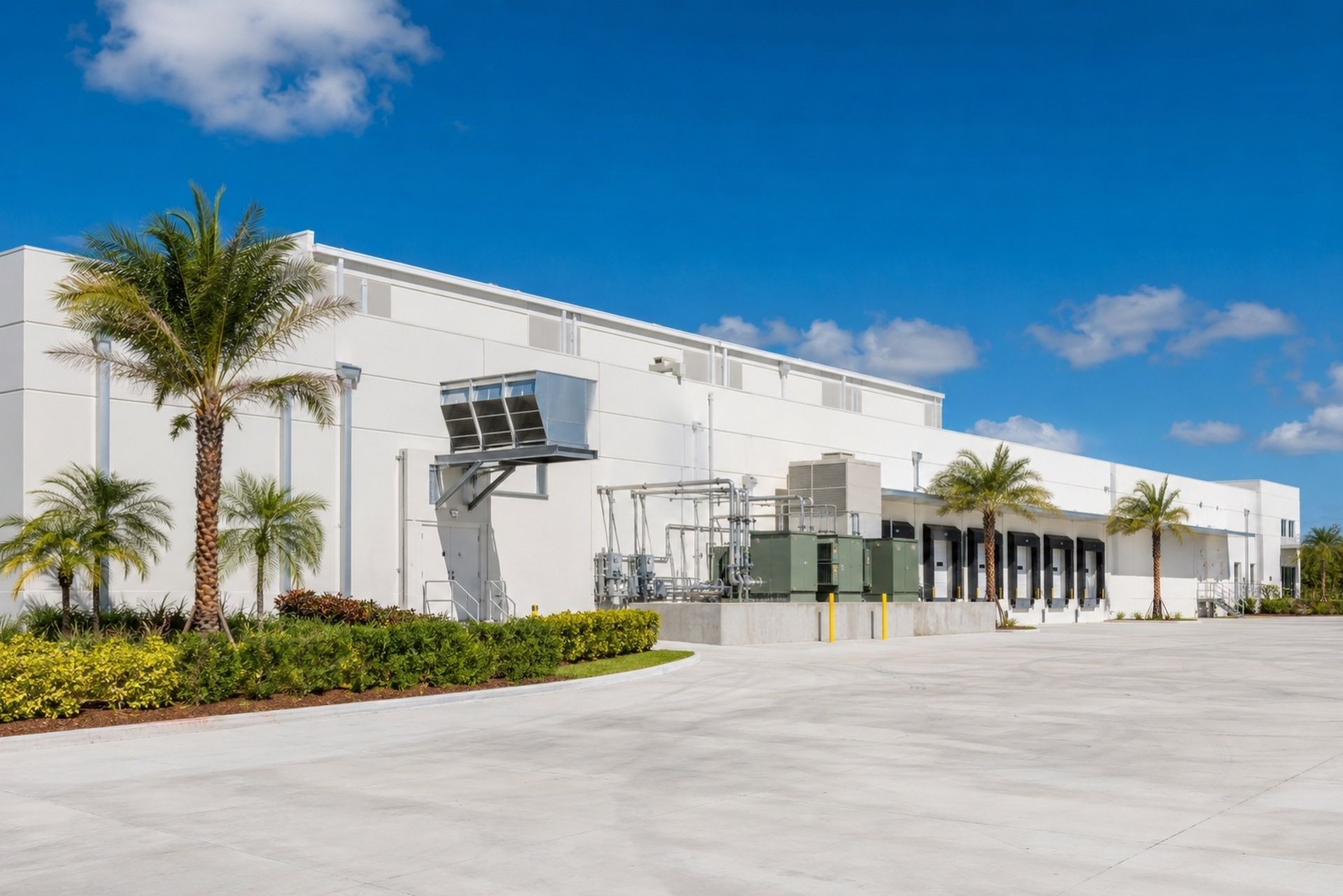
Florida's specialty food producers face a unique collision of risks that most standard business policies simply don't account for. Between hurricane season threatening cold storage, strict state health regulations, and the ever-present possibility of a contamination event, a small-batch hot sauce maker in Tampa or an artisan cheese producer near Ocala needs coverage built for their specific reality. Finding the right food manufacturing insurance as a Florida specialty producer isn't just about checking a box for your lease or your co-packer. It's about protecting a brand you've likely built from a home kitchen or a shared commercial space, against threats that can wipe out years of work in a single incident.
Core Insurance Requirements for Florida Food Producers
Every food manufacturing operation in Florida, whether you're producing craft granola in Deltona or bottling cold-pressed juice in Miami's Wynwood district, shares a baseline set of insurance needs. These core policies form the foundation of your risk management program, and skipping any one of them can leave a gap that's far more expensive than the premium you'd save.
General Liability and Product Liability Basics
General liability covers third-party bodily injury and property damage claims tied to your operations. If a delivery driver slips on your production floor or your forklift damages a landlord's loading dock, this is the policy that responds. Most leases and co-packing agreements require at least $1 million per occurrence.
Product liability is different, and it's the coverage that matters most for food producers. It protects you if someone gets sick or injured from consuming your product. A single Class I FDA recall can cost a mid-sized processor between $5 million and $50 million, with undeclared allergens and labeling errors among the top triggers. For specialty producers using niche ingredients like exotic spices, raw dairy, or novel proteins, this risk is amplified.
You'll want to carry product liability limits of at least $1 million per occurrence and $2 million aggregate. Many retailers, including Whole Foods and regional chains throughout Florida, won't stock your product without proof of these minimums.
Florida Workers' Compensation Laws for Small Manufacturers
Florida law requires workers' compensation coverage for any business in the construction industry with one or more employees, and for non-construction businesses with four or more employees. Food manufacturing falls into the non-construction category, so if you have four people on your production line, you need a policy.
That said, don't assume you're safe with three employees. If someone suffers a burn from a kettle or a repetitive strain injury from packaging, you're personally liable without workers' comp. Premiums in Florida for food manufacturing typically run between $1.50 and $3.50 per $100 of payroll, depending on your specific classification code and claims history. Owners and officers can sometimes elect to exempt themselves from coverage, but that's a risk calculation worth discussing with your agent.
Commercial Property and Equipment Breakdown Coverage
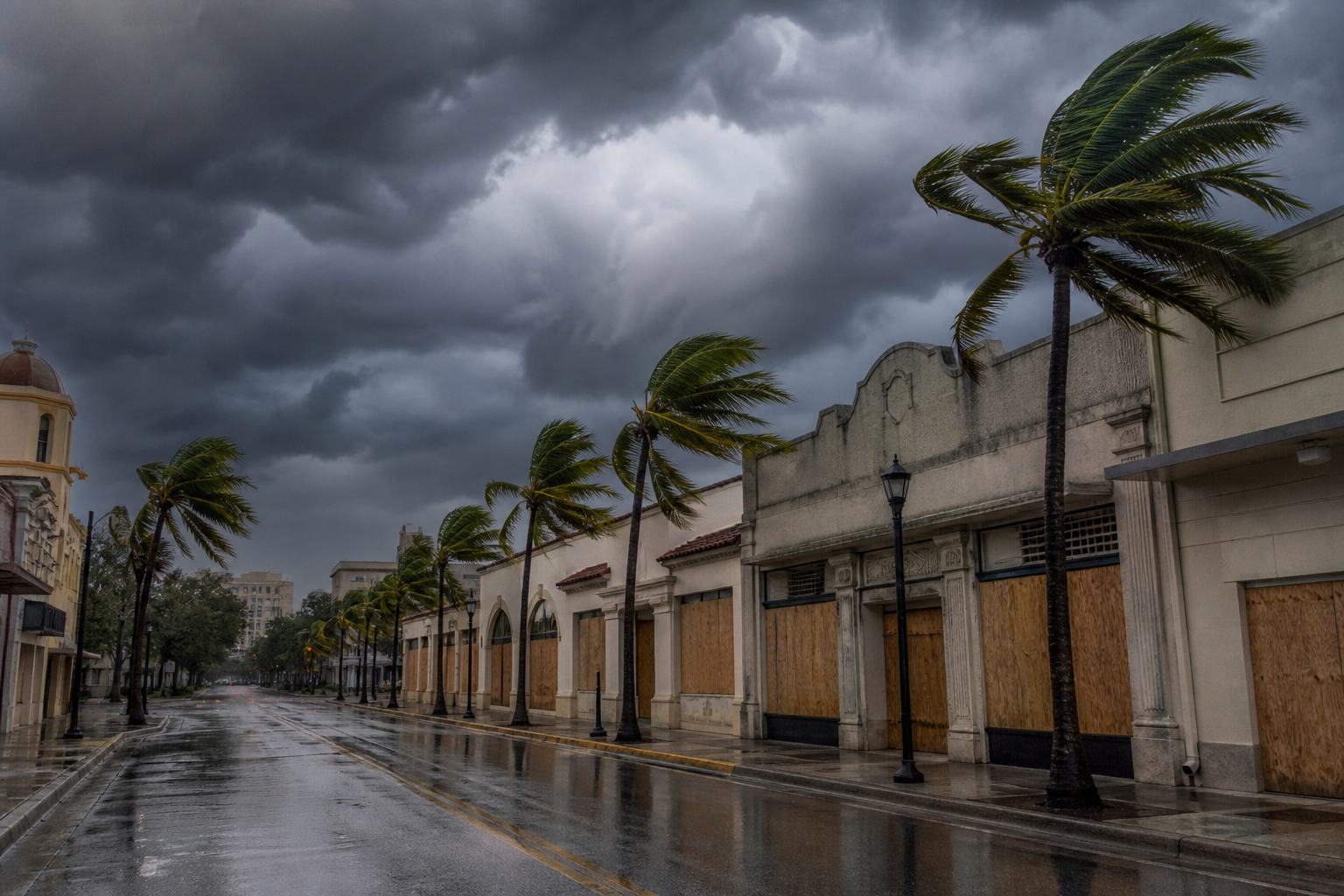
Your commercial property policy covers the building (if you own it), your inventory, and your equipment against perils like fire, theft, and windstorm. In Florida, windstorm coverage deserves special attention. Many standard policies exclude or sublimit wind and hail damage, which means you may need a separate windstorm policy through Citizens Property Insurance or a surplus lines carrier.
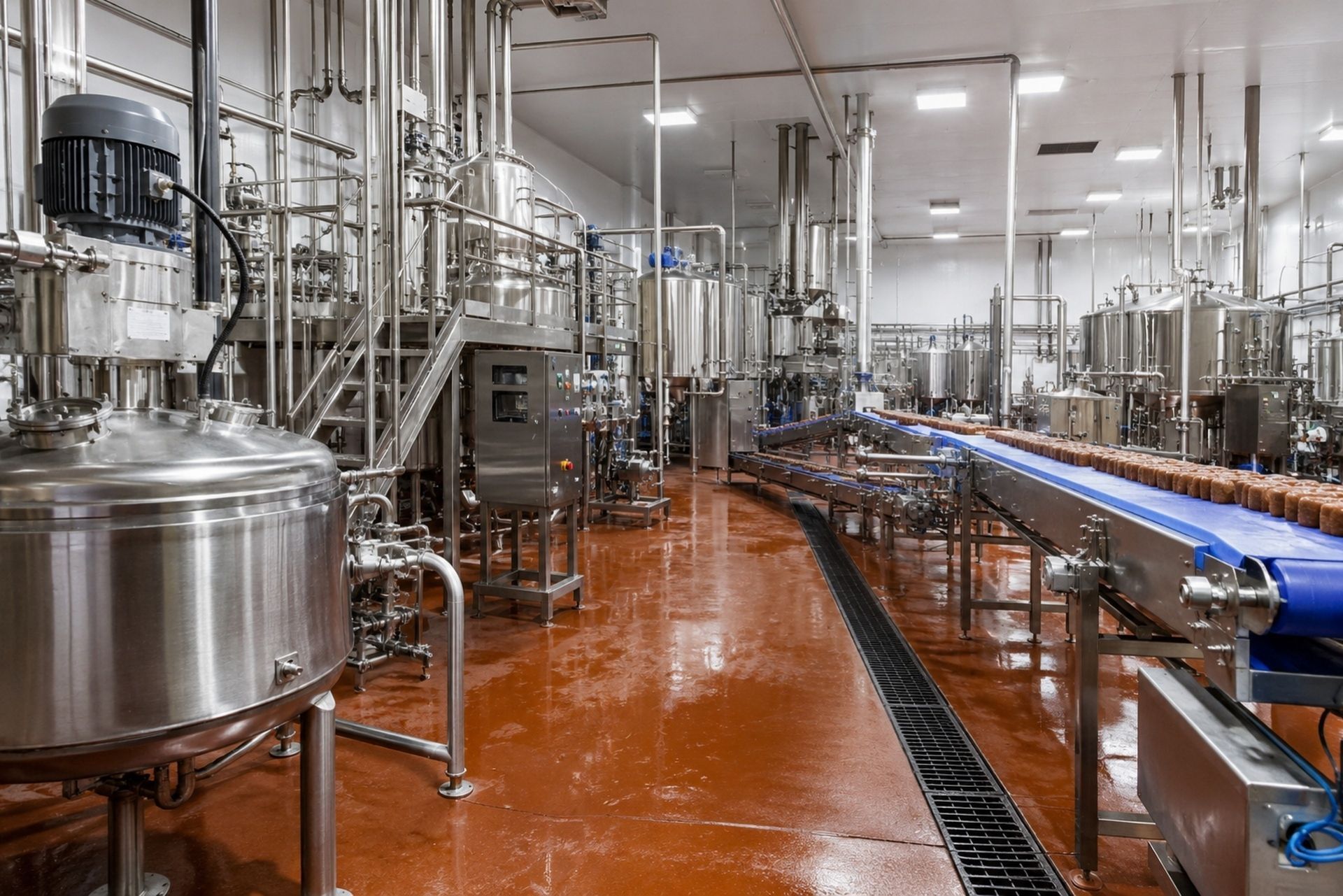
Equipment breakdown coverage, sometimes called boiler and machinery insurance, is a must for food producers. It covers mechanical and electrical failure of refrigeration units, ovens, mixers, pasteurizers, and packaging machines. A compressor failure in your walk-in cooler during a July heat wave doesn't just mean a repair bill. It means thousands of dollars in spoiled product.

By: Montreal Morand
Founder & Managing Partner
Macpherson Insurance Agency
Specialized Coverage for Unique Florida Risks
Standard policies leave significant gaps for food manufacturers operating in Florida's climate and regulatory environment. These specialized coverages fill those gaps.
Protecting Against Spoilage and Contamination
Spoilage coverage pays for raw materials and finished goods lost due to equipment failure or power outage. This is distinct from your property policy, which typically covers spoilage only if caused by a covered peril like a fire. A standalone spoilage endorsement kicks in when your refrigeration fails for mechanical reasons or when FPL loses power during a storm.
Contamination coverage goes further. It reimburses you for product that must be destroyed because of accidental contamination during production, whether that's a foreign object in a batch of salsa or bacterial growth discovered during testing. For producers near coastal areas like Fort Myers or Jacksonville Beach, saltwater intrusion into facilities during flooding events creates contamination risks that inland producers rarely consider.
Product Withdrawal and Recall Expense Coverage
A product recall is one of the most financially devastating events a specialty producer can face. Recall expense coverage pays for the logistics of pulling product from shelves : notification costs, shipping, disposal, and sometimes even crisis PR. This is separate from your product liability policy, which covers injury claims but not the recall process itself.
Florida specialty producers should pay close attention to what recall policies actually cover versus what they exclude. Many policies won't cover government-mandated recalls, only voluntary ones. Others cap coverage at $250,000, which won't go far if your product has reached multiple retail chains. Read the policy language carefully, and ask your broker about first-dollar vs. deductible-based recall coverage.
Supply Chain Disruptions and Cargo Insurance
Florida's position as a major import hub means many specialty producers rely on ingredients shipped through the Port of Miami or Port Tampa Bay. Cargo insurance protects your goods while they're in transit, whether by truck, rail, or ocean freight. Inland marine coverage extends this protection to goods stored temporarily at warehouses or distribution centers.
Supply chain disruption coverage, sometimes bundled under business interruption or contingent business interruption policies, reimburses lost income when a key supplier can't deliver. If your high-end vanilla extract producer in Madagascar faces a cyclone and you can't fulfill orders for two months, this coverage helps bridge the gap.
Comparison of Standard vs. Specialized Food Manufacturing Policies
This table highlights where a general business owner's policy (BOP) falls short compared to a policy designed specifically for food production operations :
| Coverage Area | Standard BOP | Specialized Food Manufacturing Policy |
|---|---|---|
| Product Liability | Often excluded or sublimited | Included with $1M-$5M limits |
| Spoilage | Only from covered perils (fire, etc.) | Covers equipment failure, power outage |
| Recall Expenses | Not included | Available as endorsement or standalone |
| Contamination Cleanup | Limited or excluded | Included with specific triggers |
| Equipment Breakdown | Usually excluded | Included or available as endorsement |
| Temperature-Sensitive Cargo | Not covered | Covered under inland marine/cargo |
| Business Interruption | Basic coverage | Extended to include supplier disruptions |
A standard BOP might cost $1,200-$2,500 annually for a small operation, while a
specialized food manufacturing policy runs $3,000-$8,000 or more depending on revenue, product type, and distribution reach. The price difference reflects real coverage, not just a bigger premium.
Florida Regulatory Compliance and Food Safety
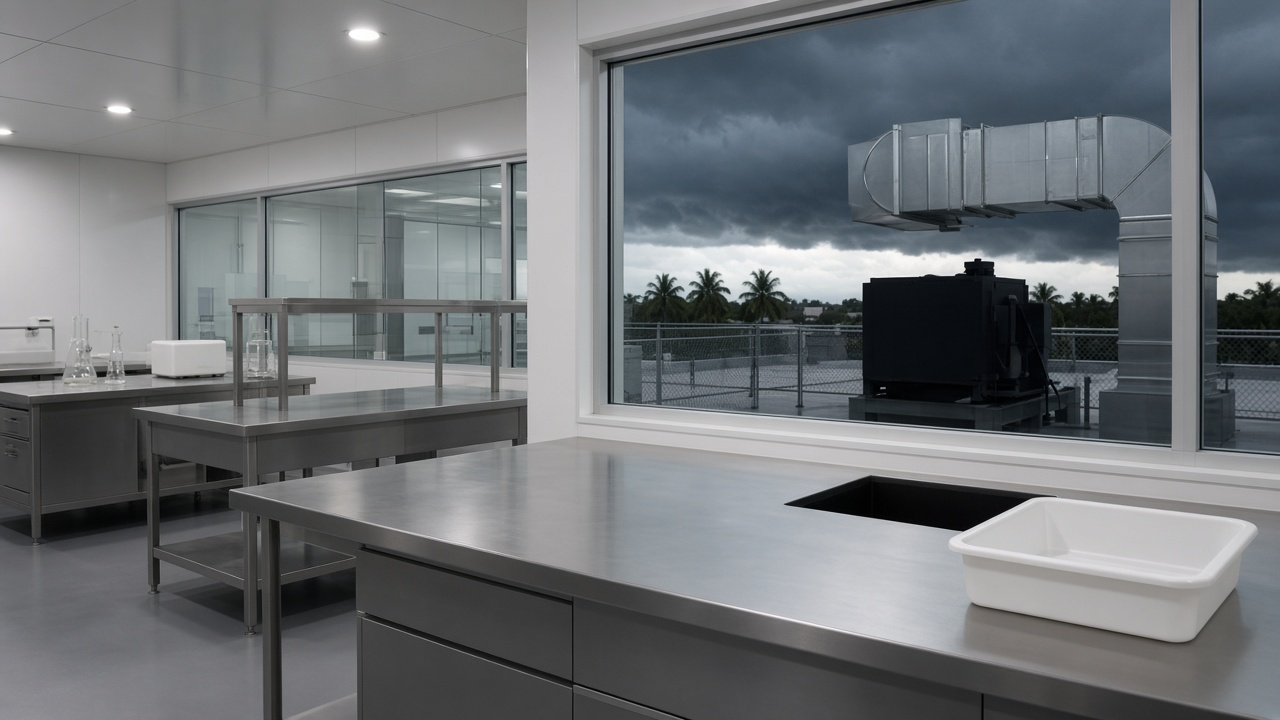
Insurance and compliance are tightly linked in Florida's food manufacturing sector. Failing to meet state standards doesn't just invite fines. It can void your coverage.
Navigating FDACS and Florida Health Department Standards
The Florida Department of Agriculture and Consumer Services (FDACS) oversees food safety for most manufactured food products in the state. You'll need a food permit, regular inspections, and compliance with labeling requirements that align with FDA standards. The Florida Department of Health handles certain categories, particularly acidified foods and products sold at farmers' markets.
Your insurance carrier will want to see that you're in compliance. Claims arising from known regulatory violations are routinely denied. If FDACS cites you for improper labeling and a consumer later has an allergic reaction to an undeclared ingredient, your insurer has grounds to deny the product liability claim. The food safety and regulatory trends expected through 2026 point toward tighter enforcement of allergen labeling and traceability requirements, making compliance more important than ever.
Insurance Implications for Cottage Food Operations
Florida's Cottage Food Law allows home-based producers to sell certain non-potentially-hazardous foods (baked goods, jams, honey, candy) without a food establishment permit, provided annual sales stay under $250,000. But here's where operators get caught : your homeowner's insurance almost certainly excludes business activities.
A cottage food producer who sells at a farmers' market in The Villages or ships orders through an Etsy storefront needs, at minimum, a
product liability policy designed for food businesses. These policies start around $299-$500 per year for low-risk cottage food operations. That's a small price compared to a personal lawsuit that your homeowner's policy won't touch.
Common Questions About Food Production Insurance
Do I need insurance to sell food at Florida farmers' markets? Most market organizers require proof of general liability and product liability coverage. Even if they don't, selling without coverage leaves you personally exposed to any injury claim from a customer.
How much does food manufacturing insurance cost in Florida? Small specialty producers typically pay $3,000-$8,000 annually for a comprehensive package. Cottage food operators can find basic product liability for $300-$500 per year. Your product type, revenue, and distribution channels all affect pricing.
Does my policy cover me if I use a shared commercial kitchen? Your product liability policy follows your product, not the kitchen. But you'll still need general liability for your time in the space, and the kitchen owner will likely require a certificate of insurance naming them as an additional insured.
Will insurance cover a voluntary recall? Only if you carry recall expense coverage, which is separate from product liability. Standard policies don't include it. Expect to pay an additional $1,000-$3,000 annually for recall coverage with limits of $100,000-$500,000.
What happens if I expand from local sales to online shipping? Your exposure changes significantly. You may need cargo or inland marine coverage, plus you should confirm your product liability extends to all states where you ship. Some policies limit coverage to Florida only.
Making the Right Choice for Your Specialty Brand
The right insurance program for your Florida specialty food business isn't something you pick off a shelf. It's built around your specific products, your production methods, your distribution channels, and the risks unique to operating in a state where hurricanes, humidity, and heavy regulation intersect.
Start with a coverage audit. Pull out your current policies and check for spoilage exclusions, recall gaps, and windstorm sublimits. If you're running a cottage food operation, verify that you have at least basic product liability in place. If you're scaling into retail or e-commerce, confirm your coverage grows with you.
Work with a broker or agent who specializes in food and beverage manufacturing, not a generalist who handles your auto insurance on the side. The difference between a $50,000 claim that's covered and one that's denied often comes down to a single endorsement that a knowledgeable agent would have recommended. Your brand is worth protecting with the same care you put into building it.
ABOUT THE AUTHOR:
MONTREAL MORAND
With over 20 years of leadership experience in the insurance industry, I’ve dedicated my career to helping clients and agents make informed, confident decisions about their coverage. I’ve led high-performing teams, managed more than $128 million in premium, and earned multiple national awards for excellence. Today, my mission remains the same — to educate, empower, and provide dependable protection for the communities we serve.
Contact Us
Protect the Things That Matter Most
Reliable Coverage for Your Home & Lifestyle
Home Insurance
Protect your home, belongings, and personal liability with reliable coverage.
Stronger Coverage for Your Operations
Essential Protection for Your Company
Coverage built for businesses that depend on people, property, and equipment.
Industries We Support
Insurance for Everyday Local Businesses
Simple, reliable protection for the people who keep our communities running.
Plumbers
Plumbers Insurance
Protection for job-site hazards, tools, and customer property.
Restaurants
Restaurants Insurance
Coverage for fire risks, food inventory, and general liability.
HVAC Contractors
HVAC Contractors Insurance
Insurance for service vehicles, equipment, and installation risks.




Frequently Asked Questions
Helpful Answers to Common Questions
Quick guidance to help you understand your coverage.
What types of insurance does Macpherson Insurance Agency offer?
We provide both personal and commercial insurance solutions. On the personal side: homeowners, automobile, condo, renters, windstorm, flood, excess flood, and more. On the commercial side: general liability, property, inland marine, ocean marine, workers compensation, and more.
Do you specialize in homeowners insurance in South Florida?
Yes. We specialize in homeowners coverage in South Florida and work with multiple carriers based on your property’s age, location and replacement cost.
What does “replacement cost” mean in a policy?
Replacement cost is the cost to rebuild your home to the same standard it had before a loss — not the market value of your property.
Why is it important that my insurer is licensed in Florida?
Licensed Florida insurers are continuously monitored for financial stability — if one fails, the Florida Insurance Guaranty Fund may reimburse insureds for unpaid claims up to a limit.
Can I lower my homeowners premium with discounts?
Yes — mitigation features like impact glass, storm shutters, roof straps, and approved sheathing may qualify you for significant credit reductions.
Do you offer payment plans or premium financing?
Yes. In many cases, payment plans and premium financing are available to make coverage more affordable and manageable over time.
From the Blog
Helpful Tips & Insurance Guidance
Articles created to make insurance easier to understand.




Contact Us
Phone
Location