
Imagine facing a lawsuit that demands far more than your standard liability coverage can handle. In Florida, where the insurance market has undergone significant shifts, this scenario is becoming increasingly common. With rising premiums and a complex legal environment, understanding excess liability insurance is crucial for homeowners and businesses alike. This coverage acts as a financial safety net, stepping in when your primary policy limits are exhausted.
Florida’s insurance landscape is evolving, with recent legislative reforms helping stabilize the market. For example, Florida’s surplus lines market saw a 21% increase in premiums in July 2024 compared to the previous year, signaling growing capacity and interest in excess coverage options
according to Reinsurance News. This growth reflects a broader recovery and a more balanced environment for insurers and policyholders.
Why Standard Liability Coverage Often Falls Short in Florida
Standard liability insurance policies provide a set limit on coverage, which might be sufficient for everyday risks. However, in Florida, the stakes can be much higher due to the state’s unique legal and environmental challenges. Lawsuits related to property damage, personal injury, and other liabilities often exceed typical policy limits, leaving homeowners and businesses exposed to significant financial risk.
One key factor inflating insured losses is litigation. Studies by Karen Clark & Company reveal that litigated claims in Florida are, on average, ten times higher than in other states. This inflation is largely driven by excess litigation, which has historically pushed claim costs to unsustainable levels according to detailed studies. Even with recent reforms, this environment means that standard policies can quickly be overwhelmed by a single large claim.
Moreover, Florida’s personal property insurance market has just reported its first underwriting profit in eight years, a sign that reforms are starting to take effect as noted by AM Best. This turnaround is encouraging but also highlights how long the market has struggled, underscoring the need for additional layers of protection like excess liability insurance.
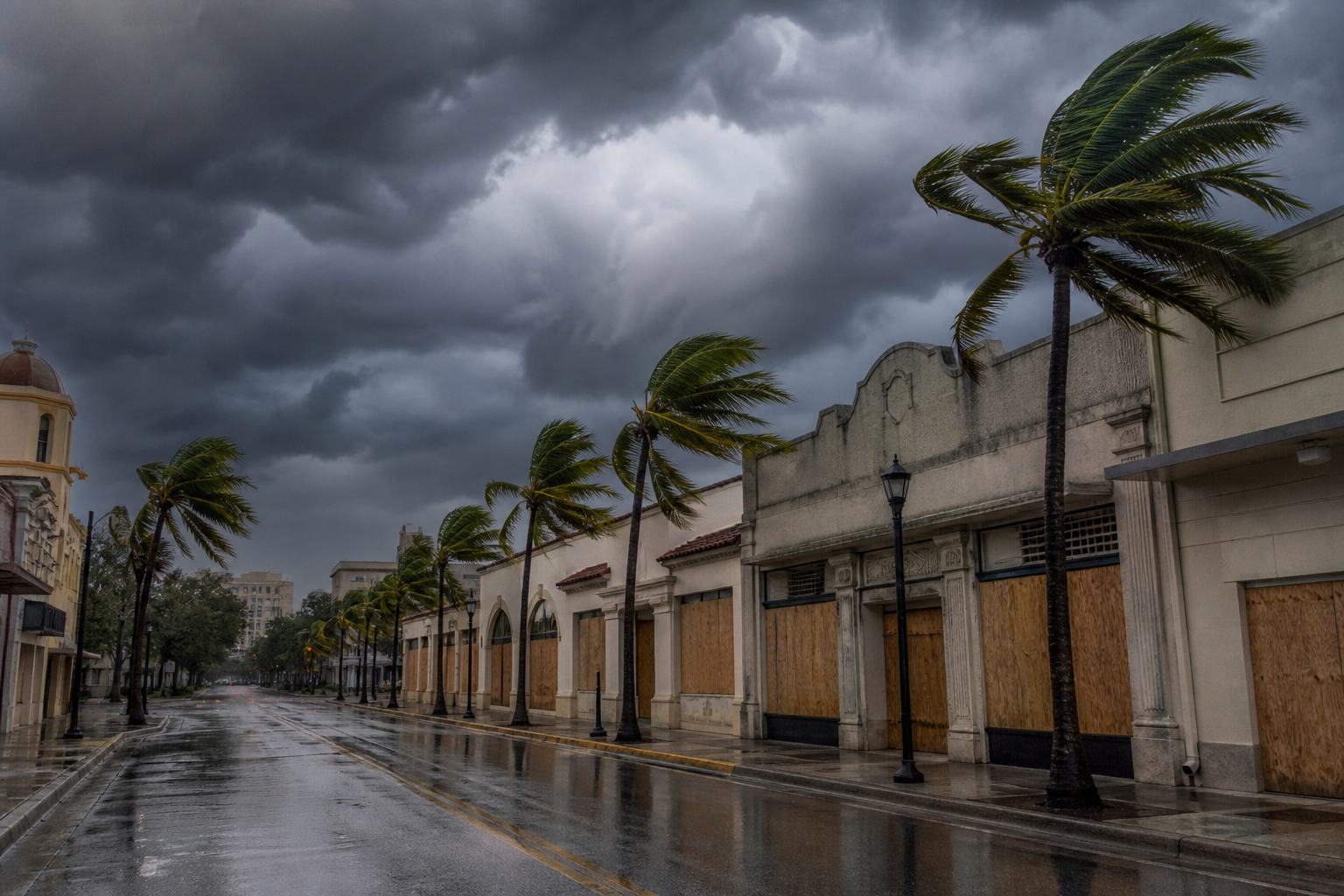
In addition to the legal landscape, Florida's geographical vulnerabilities play a significant role in the inadequacy of standard liability coverage. The state is prone to hurricanes, flooding, and other natural disasters that can lead to catastrophic losses. Homeowners may find that their standard policies do not cover the full extent of damages caused by these events, particularly when it comes to liability claims stemming from injuries sustained during such disasters. For instance, if a guest is injured on a property during a hurricane, the associated liability claims could far exceed the limits of standard coverage, leaving the homeowner financially exposed.
Furthermore, the demographic and economic factors in Florida contribute to the complexity of liability coverage. With a growing population and a booming tourism industry, the number of potential liability claims is on the rise. More visitors mean more opportunities for accidents, and with many properties being rented out to tourists, the risk of liability claims increases significantly. This reality necessitates a more robust insurance strategy that goes beyond standard liability coverage, as the potential for high-cost claims continues to escalate in this vibrant yet risky environment.


By: Montreal Morand
Founder & Managing Partner
Macpherson Insurance Agency
What Is Excess Liability Insurance and Who Needs It?
Excess liability insurance extends the limits of your underlying liability policies. It kicks in once those primary limits are reached, covering additional costs that could otherwise come out of your pocket. This coverage is particularly important in Florida, where legal claims can escalate quickly due to the state's litigation climate and exposure to natural disasters. The unique combination of high property values and a propensity for lawsuits means that having sufficient coverage is not just prudent; it is essential for financial security.
Homeowners with valuable properties or those in high-risk areas often find excess liability insurance essential. Similarly, businesses that face potential lawsuits related to operations, property damage, or injuries benefit from this added layer of security. It protects assets and helps maintain financial stability in the face of unexpected large claims. Moreover, individuals with significant personal assets, such as investments or savings, should consider this coverage to safeguard their wealth against unforeseen liabilities that could arise from accidents or legal actions.
In Florida’s surplus lines market, which caters to higher-risk or non-standard insurance needs, premiums reached $1.6 billion in July 2024, a 21% increase from the previous year. This growth indicates a strong demand for specialized coverages like excess liability according to recent market data. The rising premiums reflect not only the increasing number of claims but also the heightened awareness among consumers and businesses about the importance of comprehensive insurance coverage in a volatile environment.
Examples of Excess Liability Coverage in Action
Consider a homeowner whose standard liability policy covers $300,000. If a guest suffers a serious injury and the settlement demand reaches $1 million, the excess liability policy can cover the remaining $700,000. Without this coverage, the homeowner would be responsible for the difference, potentially risking financial ruin. Such scenarios are not uncommon, especially in areas with high foot traffic or where social gatherings are frequent, making the need for excess liability coverage even more pressing.
Businesses face similar risks. A contractor whose work causes property damage exceeding their primary liability limits could rely on excess liability insurance to cover the gap. This protection is vital in Florida, where litigation and claim amounts tend to be higher than the national average. For instance, a construction company might find itself facing a lawsuit after an accident at a job site, where the damages could easily surpass their basic coverage limits. In such cases, the excess liability policy acts as a safety net, ensuring that the business can continue operating without the fear of crippling financial losses from a single incident.
How Florida’s Legislative Reforms Impact Liability Insurance
Florida has taken significant steps to curb the excessive litigation that once plagued its insurance market. Legislative reforms have reduced claims-related lawsuits and lowered defense costs, which in turn help stabilize premiums. For instance, the state’s defense and cost-containment expense ratio dropped from 8.4 in 2022 to just 3.1 in 2024, reflecting fewer litigation-related expenses according to the Insurance Information Institute.
These reforms have encouraged more insurers to enter or expand in Florida’s market, increasing capacity and options for consumers. About 40% of home insurers requested rate decreases in 2024, signaling improved market conditions and a more balanced approach to pricing as reported by Triple-I.
While these changes help, the risk of large claims remains. Excess liability insurance continues to be a smart choice for those wanting to protect themselves beyond the limits of standard policies. The reforms make this coverage more accessible and affordable, but they do not eliminate the need for it.
Moreover, the legislative changes have prompted a cultural shift in how claims are approached. Insurers are now more inclined to engage in proactive risk management strategies, focusing on loss prevention and safety measures that can mitigate potential claims before they arise. This shift not only benefits the insurance companies by reducing their exposure to high-cost claims but also empowers policyholders to take an active role in protecting their assets. As a result, homeowners are increasingly investing in home improvements and safety upgrades, which can further lower their insurance premiums and enhance their overall peace of mind.
In addition to these positive developments, Florida's reforms have also attracted attention from national insurers looking to diversify their portfolios. The influx of new players into the market has led to increased competition, which can drive innovation in policy offerings and customer service. With more options available, consumers can tailor their insurance plans to better fit their unique needs, whether that means bundling policies for discounts or selecting specialized coverage for high-value items. This evolution in the insurance landscape not only benefits consumers but also fosters a more resilient market that can withstand future challenges.

Understanding the Cost and Coverage of Excess Liability Insurance
Excess liability insurance premiums vary depending on factors such as the underlying policy limits, the insured’s risk profile, and the coverage amount desired. In Florida, the cost is influenced by the state’s unique risk environment, including exposure to hurricanes and the historical litigation climate. The state's susceptibility to natural disasters means that insurers often assess higher premiums to mitigate their potential losses, which can lead to increased costs for policyholders seeking additional coverage.
Despite recent improvements, reinsurance costs remain high, which can keep premiums elevated. This is especially true for homeowners in hurricane-prone areas or those with a history of claims. The Insurance Information Institute notes that while premiums have stabilized, reductions are modest due to ongoing inflation in reinsurance costs according to industry reports. Additionally, the increasing frequency of severe weather events has prompted insurers to reevaluate their risk models, leading to further adjustments in premium pricing. As a result, consumers may find it beneficial to shop around and compare quotes from different insurers to ensure they are getting the best coverage for their needs at a competitive price.
Choosing the right excess liability policy involves balancing coverage needs with budget. It’s important to assess potential risks realistically and consider how much financial exposure you can handle if a major claim arises. Working with an experienced insurance professional can help tailor coverage to your situation. These experts can provide insights into the nuances of various policies, helping clients understand the implications of different coverage limits and exclusions. Furthermore, they can assist in identifying any gaps in coverage that could leave policyholders vulnerable in the event of a significant claim, ultimately leading to a more comprehensive risk management strategy.
Coverage Table: Standard Liability vs. Excess Liability
| Feature | Standard Liability | Excess Liability |
|---|---|---|
| Coverage Limit | Typically $100,000 to $500,000 | Starts where standard limits end; can add millions |
| Claims Covered | Basic liability claims such as injury or property damage | Additional coverage for large claims exceeding primary limits |
| Cost | Lower premiums, included in standard policy | GatesAdditional premium based on risk and coverAdditional premium based on risk and coverage amountage amount |
| Litigation Protection | Limited to policy limits | Extends protection for costly lawsuits |
Key Considerations When Purchasing Excess Liability Insurance in Florida
Before buying excess liability insurance, consider your overall risk exposure. Florida’s property insurance market has been volatile, but recent reforms have improved stability. Still, the potential for large claims remains, especially in regions prone to hurricanes or with high litigation rates.
Review your current liability limits carefully. If they seem insufficient to cover worst-case scenarios, excess liability insurance can provide peace of mind. Also, examine the insurer’s reputation and financial strength, particularly in Florida’s evolving market.
Keep in mind that excess liability policies often require an underlying primary policy. They do not stand alone but supplement your existing coverage. Understanding the terms and conditions, including any exclusions, is essential to avoid surprises when a claim arises.
As Florida’s surplus lines market grows, more options become available for excess liability coverage. This expansion is partly due to legislative reforms that have made the market more attractive to insurers
according to AM Best. Exploring these options can help you find a policy that fits your needs and budget.
What Florida Residents Should Know About Market Trends and Future Outlook
The insurance market in Florida is on a cautious upswing. After years of losses, the personal property insurance sector posted its first underwriting profit in 2024, a milestone that signals better risk management and pricing strategies as reported by AM Best. This improvement benefits policyholders by fostering a more sustainable insurance environment.
Still, challenges remain. Inflation in reinsurance costs and the lingering effects of past litigation continue to influence premiums. Homeowners should expect some rate stability but not dramatic decreases in the near term. The Insurance Information Institute highlights that while many insurers are requesting rate reductions, overall premium levels remain steady due to these factors according to Triple-I.
For those considering excess liability insurance, this means the market is healthier but still requires careful planning. The added protection can be a critical part of a comprehensive risk management strategy, especially in a state where claims can escalate quickly.
Frequently Asked Questions About Florida Excess Liability Insurance
Q: What is the difference between excess liability and umbrella insurance?
A: Excess liability insurance increases coverage limits above your primary policy, while umbrella insurance often provides broader coverage, including some risks not covered by the underlying policy.
Q: Is excess liability insurance required in Florida?
A: No, it is not required by law but is highly recommended for those with significant assets or higher risk exposure.
Q: How much excess liability coverage should I buy?
A: Coverage amounts depend on your financial situation and risk. Many experts suggest enough coverage to protect your assets from potential lawsuits.
Q: Does excess liability insurance cover legal defense costs?
A: Yes, it typically covers legal defense costs in addition to settlement amounts once your primary limits are exhausted.
Q: Can I buy excess liability insurance without a primary policy?
A: Usually no. Excess liability policies require an underlying primary liability policy to be in place.
Q: How have Florida’s legislative reforms affected excess liability insurance?
A: Reforms have reduced litigation and defense costs, making excess liability coverage more accessible and stabilizing premiums.
Q: Where can I find excess liability insurance in Florida?
A: Many insurers offer excess liability coverage through the surplus lines market, which has grown significantly in recent years.
ABOUT THE AUTHOR:
MONTREAL MORAND
With over 20 years of leadership experience in the insurance industry, I’ve dedicated my career to helping clients and agents make informed, confident decisions about their coverage. I’ve led high-performing teams, managed more than $128 million in premium, and earned multiple national awards for excellence. Today, my mission remains the same — to educate, empower, and provide dependable protection for the communities we serve.
Contact Us
Protect the Things That Matter Most
Reliable Coverage for Your Home & Lifestyle
Home Insurance
Protect your home, belongings, and personal liability with reliable coverage.
Stronger Coverage for Your Operations
Essential Protection for Your Company
Coverage built for businesses that depend on people, property, and equipment.
Industries We Support
Insurance for Everyday Local Businesses
Simple, reliable protection for the people who keep our communities running.
Plumbers
Plumbers Insurance
Protection for job-site hazards, tools, and customer property.
Restaurants
Restaurants Insurance
Coverage for fire risks, food inventory, and general liability.
HVAC Contractors
HVAC Contractors Insurance
Insurance for service vehicles, equipment, and installation risks.




Frequently Asked Questions
Helpful Answers to Common Questions
Quick guidance to help you understand your coverage.
What types of insurance does Macpherson Insurance Agency offer?
We provide both personal and commercial insurance solutions. On the personal side: homeowners, automobile, condo, renters, windstorm, flood, excess flood, and more. On the commercial side: general liability, property, inland marine, ocean marine, workers compensation, and more.
Do you specialize in homeowners insurance in South Florida?
Yes. We specialize in homeowners coverage in South Florida and work with multiple carriers based on your property’s age, location and replacement cost.
What does “replacement cost” mean in a policy?
Replacement cost is the cost to rebuild your home to the same standard it had before a loss — not the market value of your property.
Why is it important that my insurer is licensed in Florida?
Licensed Florida insurers are continuously monitored for financial stability — if one fails, the Florida Insurance Guaranty Fund may reimburse insureds for unpaid claims up to a limit.
Can I lower my homeowners premium with discounts?
Yes — mitigation features like impact glass, storm shutters, roof straps, and approved sheathing may qualify you for significant credit reductions.
Do you offer payment plans or premium financing?
Yes. In many cases, payment plans and premium financing are available to make coverage more affordable and manageable over time.
From the Blog
Helpful Tips & Insurance Guidance
Articles created to make insurance easier to understand.









Contact Us
Phone
Location