Rising costs are reshaping the landscape of homeowners associations (HOAs) in Florida, especially in metro areas like Tampa. With the median monthly HOA fee surging by 17.2% year-over-year as of July 2024, many residents and board members face new financial pressures that affect property values and community management. These changes highlight why understanding HOA insurance is more critical than ever for protecting common property and the people who govern these communities.
Tampa’s HOA fee increase stands as the steepest among 43 U.S. metro areas, signaling a shift that demands attention.
Why HOA Insurance Matters in Florida
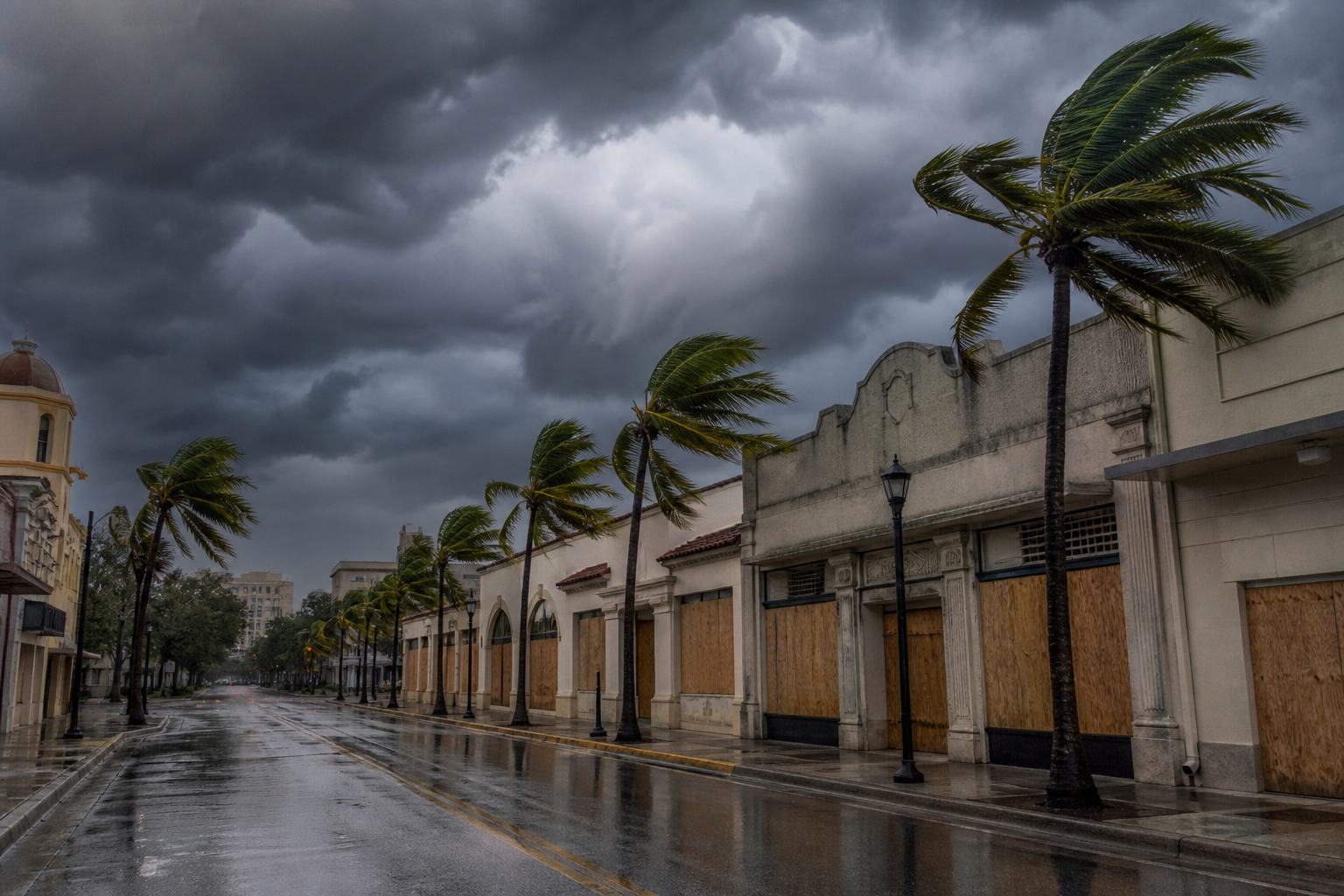
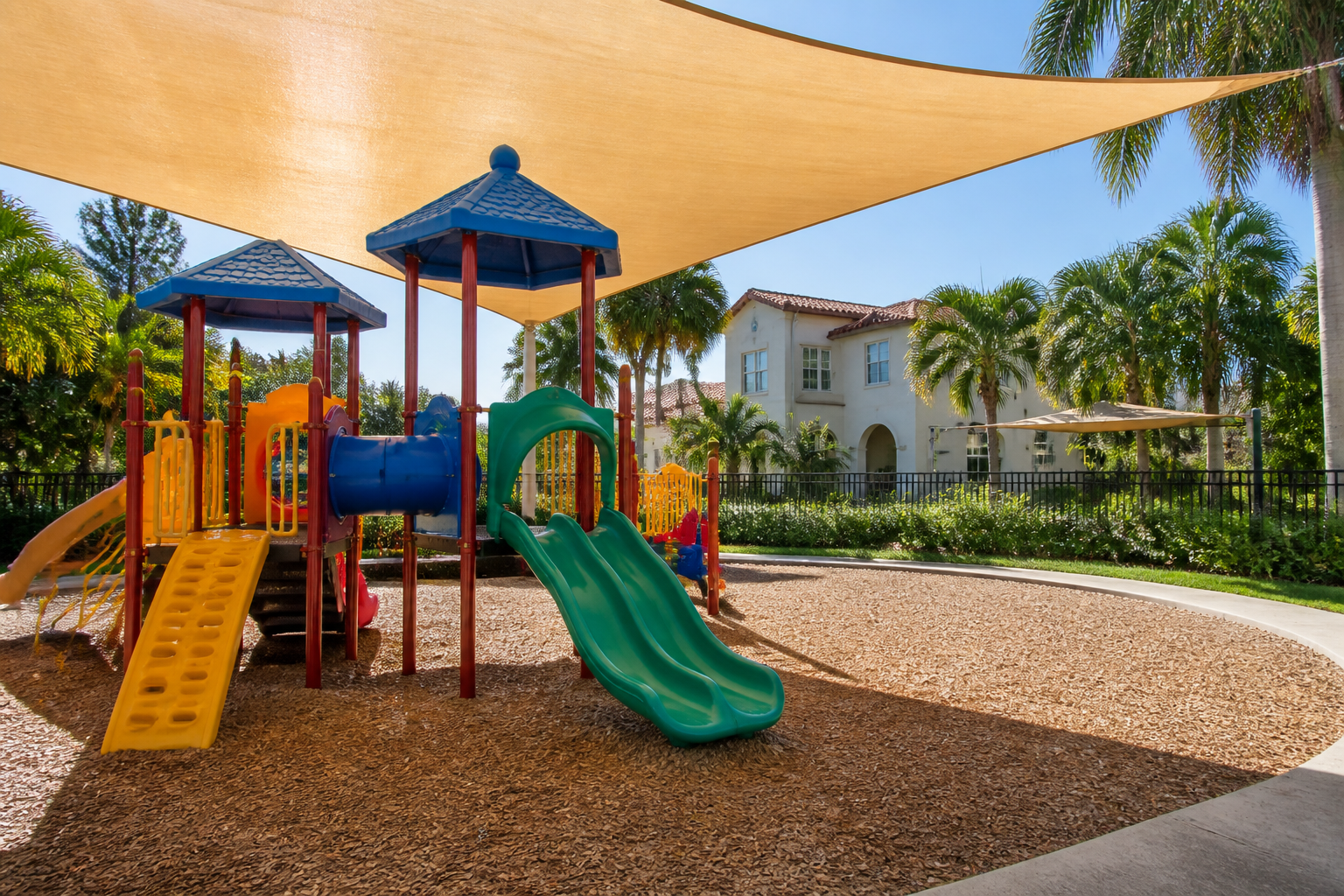
HOA insurance is designed to cover the association’s common areas, shared structures, and liability exposures. This includes everything from clubhouses and pools to landscaping and exterior building elements. In Florida, where weather risks like hurricanes and flooding are significant, having robust insurance coverage is essential to avoid costly out-of-pocket expenses for repairs or lawsuits. The unique climate and geography of Florida necessitate that HOAs remain vigilant about their insurance policies, ensuring that they not only meet minimum requirements but also provide comprehensive protection against natural disasters. For instance, many associations are now opting for additional coverage options, such as flood insurance, to safeguard against the increasing frequency of severe weather events, which can lead to devastating damage to community assets.
Board members also benefit from specialized insurance policies, such as Directors and Officers (D&O) liability coverage. These policies protect board members from personal financial loss in case of legal claims alleging mismanagement or wrongful acts. Given the rising complexity and scrutiny of HOA governance, this protection is increasingly vital. Moreover, the potential for disputes among residents can lead to litigation, making it crucial for board members to have peace of mind knowing they are protected. Many associations are now investing in training and resources to ensure their board members are well-informed about their responsibilities, further reducing the risk of claims and fostering a more harmonious community.
Insurance premiums for HOAs in Florida have seen dramatic increases. Since June 2022, average premiums for condo association coverage have doubled, rising by 103% from $1,692 to $1,715. This spike reflects broader trends in the state’s insurance market, where home insurance premiums surged to over $4,231 in 2022 from $2,165 in 2020, with a 42% increase reported in 2023. These figures underscore the growing financial burden on HOAs and their members.
Condo association insurance costs have become a critical concern for many communities. As a result, many HOAs are exploring alternative risk management strategies, such as self-insurance pools or partnerships with local governments, to mitigate the financial impact of these rising costs. Additionally, some associations are actively engaging with insurance brokers to negotiate better terms or seek out less conventional insurance providers that may offer more competitive rates tailored to the unique needs of Florida communities.

By: Montreal Morand
Founder & Managing Partner
Macpherson Insurance Agency
Impact of Rising HOA Fees and Insurance Costs on Florida Communities
The dramatic rise in HOA fees is not just a number on a bill; it has real consequences for residents and property values. Tampa’s condo market illustrates this clearly. Condo inventory increased by 57.2% from the previous year, while pending sales dropped 18.9%, and median sale prices fell by 4.9%. This shift is partly attributed to the increased financial strain caused by rising HOA fees and insurance costs, which have made owning condos less attractive to buyers.
Eric Auciello, a Redfin sales manager in Tampa, points out the impact on the market: "Condos are really taking a hit. Prices are hurting... These additional fees have adversely affected the value of many units." This trend signals a broader challenge for Florida’s housing market, where affordability is already a concern. As more potential buyers are priced out of the market, the demographic of condo owners is shifting, with many first-time buyers and young professionals reconsidering their options. This shift not only affects the immediate market but also alters the community dynamics, as a more transient population may lead to less investment in communal spaces and a diminished sense of belonging.
HOA insurance premiums contribute significantly to these rising fees. As insurance companies adjust to higher risks from hurricanes and regulatory changes, HOAs pass these costs to homeowners. This creates a cycle where insurance costs push HOA fees higher, which in turn affects property demand and values. Furthermore, the unpredictability of insurance markets means that HOAs must frequently reassess their coverage, leading to potential spikes in fees that can catch residents off guard. Many residents are left feeling frustrated as they struggle to understand the intricacies of these increases, often leading to disputes within communities about budget allocations and the necessity of certain expenditures.
For communities, balancing adequate insurance coverage with affordability is a delicate task. Without proper insurance, HOAs risk underfunding critical repairs or facing lawsuits that could jeopardize the entire community’s financial health. Additionally, the pressure to maintain a well-funded reserve for emergencies can lead to tough decisions regarding maintenance and upgrades to shared facilities. Communities may find themselves at a crossroads, where the need for aesthetic improvements and essential repairs clashes with the reality of rising fees. This tension can lead to a decline in resident satisfaction and a decrease in property values, as potential buyers may shy away from communities that appear poorly maintained or financially unstable.
Understanding the Types of HOA Insurance Coverage
HOA insurance is not a single policy but a combination of coverages tailored to the association’s needs. Here are the key types of coverage that Florida HOAs typically consider:
Property Insurance
This covers damage to common areas and shared structures caused by fire, storms, vandalism, or other insured perils. Given Florida’s exposure to hurricanes, this coverage is often the most expensive but also the most essential. Additionally, property insurance may also extend to cover landscaping, signage, and recreational facilities, ensuring that the community's aesthetic appeal and functionality are preserved even after a disaster.
General Liability Insurance
This protects the HOA against claims of bodily injury or property damage occurring on common property. For example, if a visitor slips and falls in a community pool area, this coverage helps cover legal fees and settlements. It also includes coverage for incidents that may occur during community events, such as a barbecue or holiday celebration, where the risk of accidents may increase due to larger gatherings.
Directors and Officers (D&O) Liability Insurance
Board members face personal liability risks from decisions made on behalf of the association. D&O insurance shields them from lawsuits alleging mismanagement, breach of fiduciary duty, or wrongful acts. This coverage encourages qualified individuals to serve on boards without fear of personal financial ruin. Moreover, it can also cover legal expenses associated with defending against accusations, thus allowing board members to focus on their responsibilities without the constant worry of potential litigation hanging over their heads.
Fidelity Bond Insurance
This protects the HOA against financial losses caused by dishonest acts by board members or employees, such as theft or fraud. It is a critical safeguard for community funds. Fidelity bonds are particularly important in larger associations where the management of funds is more complex, as they ensure that any misappropriation of funds can be addressed swiftly and without significant financial impact on the community.
Flood and Windstorm Insurance
Standard policies often exclude flood damage, which is a significant risk in Florida. Many HOAs purchase separate flood insurance or windstorm coverage to fill these gaps, especially in coastal or low-lying areas. Understanding the specific risks associated with the geographical location of the community can help in determining the necessary level of coverage, as well as ensuring compliance with any state or federal regulations regarding flood insurance.
Choosing the right mix of coverage requires careful assessment of the community’s risks, assets, and budget. Insurance agents specializing in HOAs can provide valuable guidance tailored to Florida’s unique environment. Additionally, it’s crucial for associations to regularly review and update their insurance policies to reflect changes in property values, community size, and emerging risks, ensuring that they remain adequately protected against unforeseen events.
Challenges in Florida’s HOA Insurance Market
The Florida insurance market has been under pressure for years due to increasing natural disasters and regulatory complexities. This has led to fewer insurers willing to provide coverage at affordable rates. However, recent signs of stabilization offer some relief. Florida Insurance Commissioner Mike Yaworsky noted that "Florida's insurance market is stabilizing, and more companies are entering the market," with over 10 new insurers joining since 2023. This development could improve competition and pricing over time.
Still, about 15% to 20% of Florida homeowners remain uninsured, reflecting ongoing affordability challenges despite these market improvements. For HOAs, this means that uninsured or underinsured homeowners can create additional financial risks for the entire association. The financial burden of repairs or liabilities can fall disproportionately on the shoulders of those who are adequately insured, leading to potential conflicts and a sense of inequity within the community. Additionally, HOAs may find themselves in a precarious position, needing to cover costs that should ideally be borne by individual homeowners, further straining their financial resources.
Another challenge is the regulatory environment. Florida has implemented stricter building codes and insurance regulations, which drive up costs but also aim to reduce long-term risks. HOAs must navigate these requirements while managing budgets and maintaining adequate coverage. This often requires a delicate balance; while adhering to regulations can enhance safety and property values, the associated costs can be daunting. Furthermore, the complexity of these regulations can lead to confusion among HOA boards, which may lack the expertise needed to interpret and implement them effectively. As a result, many associations are turning to specialized consultants or legal advisors to ensure compliance, adding another layer of expense to their operational budgets.
Moreover, the impact of climate change cannot be overlooked. Florida's unique geography makes it susceptible to hurricanes, flooding, and rising sea levels, which exacerbate the insurance crisis. As weather patterns become increasingly unpredictable, HOAs face the daunting task of preparing for potential disasters while also managing rising insurance premiums. This has led many associations to invest in risk mitigation strategies, such as enhanced drainage systems or community-wide hurricane preparedness plans, which require significant upfront investment but could ultimately save money in the long run. The challenge lies in securing the necessary funding and community buy-in to implement these initiatives effectively, all while keeping the interests of homeowners at the forefront.
Environmental Factors and Risk Mitigation
Florida’s unique environment plays a significant role in HOA insurance considerations. Coastal communities face hurricane risks, while inland areas must contend with flooding and storm damage. Natural buffers like mangroves have proven valuable in reducing storm surge losses. Research estimates that mangroves reduce storm surge losses to properties by $67.5 million annually in Collier County. Protecting and restoring these natural barriers can be a cost-effective strategy for communities to mitigate damage and potentially lower insurance premiums.
HOAs can also invest in risk mitigation measures such as storm shutters, reinforced roofing, and flood-resistant landscaping. These improvements not only protect property but may qualify the association for insurance discounts.
How HOAs Can Manage Rising Insurance Costs
With premiums climbing rapidly, HOAs need proactive strategies to manage insurance expenses without sacrificing coverage quality. Here are some practical approaches:
- Regular Risk Assessments: Conduct thorough evaluations of common property and potential liabilities to identify gaps or unnecessary coverages.
- Shop Around Annually: Insurance markets fluctuate, so obtaining multiple quotes each year can reveal better pricing or coverage options.
- Implement Loss Prevention: Invest in safety upgrades and maintenance to reduce claims and demonstrate risk management to insurers.
- Educate Homeowners: Encourage residents to maintain their individual policies and understand how their actions affect the community’s risk profile.
- Consider Deductibles: Adjusting deductibles can lower premiums but requires balancing risk tolerance and financial capacity.
These steps help HOAs maintain financial stability while protecting the community’s assets and members.
Frequently Asked Questions About Florida HOA Insurance
Q: What does HOA insurance typically cover in Florida?
A: It usually covers common property damage, general liability, directors and officers liability, fidelity bonds, and sometimes flood or windstorm damage.
Q: Why are HOA insurance premiums rising so quickly in Florida?
A: Increased natural disasters, stricter regulations, and higher claims costs have driven premiums up significantly in recent years.
Q: Can HOA insurance protect individual homeowners?
A: HOA insurance covers common areas and the association’s liability but does not replace individual homeowners’ insurance policies.
Q: What is Directors and Officers (D&O) insurance?
A: D&O insurance protects board members from personal liability related to decisions made while managing the HOA.
Q: How can HOAs reduce their insurance costs?
A: By conducting risk assessments, improving property maintenance, shopping for competitive quotes, and investing in loss prevention measures.
Q: Are there any environmental factors that affect HOA insurance in Florida?
A: Yes. Coastal storms, flooding, and natural barriers like mangroves significantly impact risk and insurance pricing.
Q: Is the Florida insurance market improving for HOAs?
A: Signs of stabilization and new insurers entering the market offer hope, but affordability remains a challenge for many communities.
What to Remember About Protecting Florida HOAs
Florida’s HOA communities face a complex mix of rising insurance costs, regulatory demands, and environmental risks. Protecting common property and board members requires carefully tailored insurance coverage that balances comprehensive protection with financial realities. Staying informed about market trends, leveraging risk mitigation strategies, and working with knowledgeable insurance professionals can help HOAs navigate these challenges successfully.
While the recent surge in HOA fees and insurance premiums poses difficulties, understanding the underlying causes and available protections empowers communities to make smart decisions. With the right approach, Florida HOAs can safeguard their neighborhoods and maintain vibrant, resilient communities for years to come.
For more insight into the ongoing changes in Florida’s housing and insurance markets, explore
the recent condo market trends in Tampa and
the impact of surging insurance premiums.
ABOUT THE AUTHOR:
MONTREAL MORAND
With over 20 years of leadership experience in the insurance industry, I’ve dedicated my career to helping clients and agents make informed, confident decisions about their coverage. I’ve led high-performing teams, managed more than $128 million in premium, and earned multiple national awards for excellence. Today, my mission remains the same — to educate, empower, and provide dependable protection for the communities we serve.
Contact Us
Protect the Things That Matter Most
Reliable Coverage for Your Home & Lifestyle
Home Insurance
Protect your home, belongings, and personal liability with reliable coverage.
Stronger Coverage for Your Operations
Essential Protection for Your Company
Coverage built for businesses that depend on people, property, and equipment.
Industries We Support
Insurance for Everyday Local Businesses
Simple, reliable protection for the people who keep our communities running.
Plumbers
Plumbers Insurance
Protection for job-site hazards, tools, and customer property.
Restaurants
Restaurants Insurance
Coverage for fire risks, food inventory, and general liability.
HVAC Contractors
HVAC Contractors Insurance
Insurance for service vehicles, equipment, and installation risks.




Frequently Asked Questions
Helpful Answers to Common Questions
Quick guidance to help you understand your coverage.
What types of insurance does Macpherson Insurance Agency offer?
We provide both personal and commercial insurance solutions. On the personal side: homeowners, automobile, condo, renters, windstorm, flood, excess flood, and more. On the commercial side: general liability, property, inland marine, ocean marine, workers compensation, and more.
Do you specialize in homeowners insurance in South Florida?
Yes. We specialize in homeowners coverage in South Florida and work with multiple carriers based on your property’s age, location and replacement cost.
What does “replacement cost” mean in a policy?
Replacement cost is the cost to rebuild your home to the same standard it had before a loss — not the market value of your property.
Why is it important that my insurer is licensed in Florida?
Licensed Florida insurers are continuously monitored for financial stability — if one fails, the Florida Insurance Guaranty Fund may reimburse insureds for unpaid claims up to a limit.
Can I lower my homeowners premium with discounts?
Yes — mitigation features like impact glass, storm shutters, roof straps, and approved sheathing may qualify you for significant credit reductions.
Do you offer payment plans or premium financing?
Yes. In many cases, payment plans and premium financing are available to make coverage more affordable and manageable over time.
From the Blog
Helpful Tips & Insurance Guidance
Articles created to make insurance easier to understand.







Contact Us
Phone
Location