Excavation and demolition work in Florida carries unique risks that demand specialized insurance coverage. From handling heavy machinery to managing environmental hazards, contractors in this industry face exposures that can quickly escalate into costly claims. Understanding the right insurance policies helps protect your business, workers, and equipment while navigating Florida’s evolving regulatory and insurance landscape.
The demolition and wrecking industry in Florida is projected to generate $521.2 million in revenue by 2025, reflecting steady growth and ongoing demand for these services. With such a significant market size, insurance becomes a critical factor in maintaining operational stability and compliance. Learn what coverage options are essential and how recent market changes impact your insurance costs and availability. For more detailed industry insights, visit
IBISWorld’s Florida Demolition & Wrecking report.
Why Excavation and Demolition Work Requires Specialized Insurance
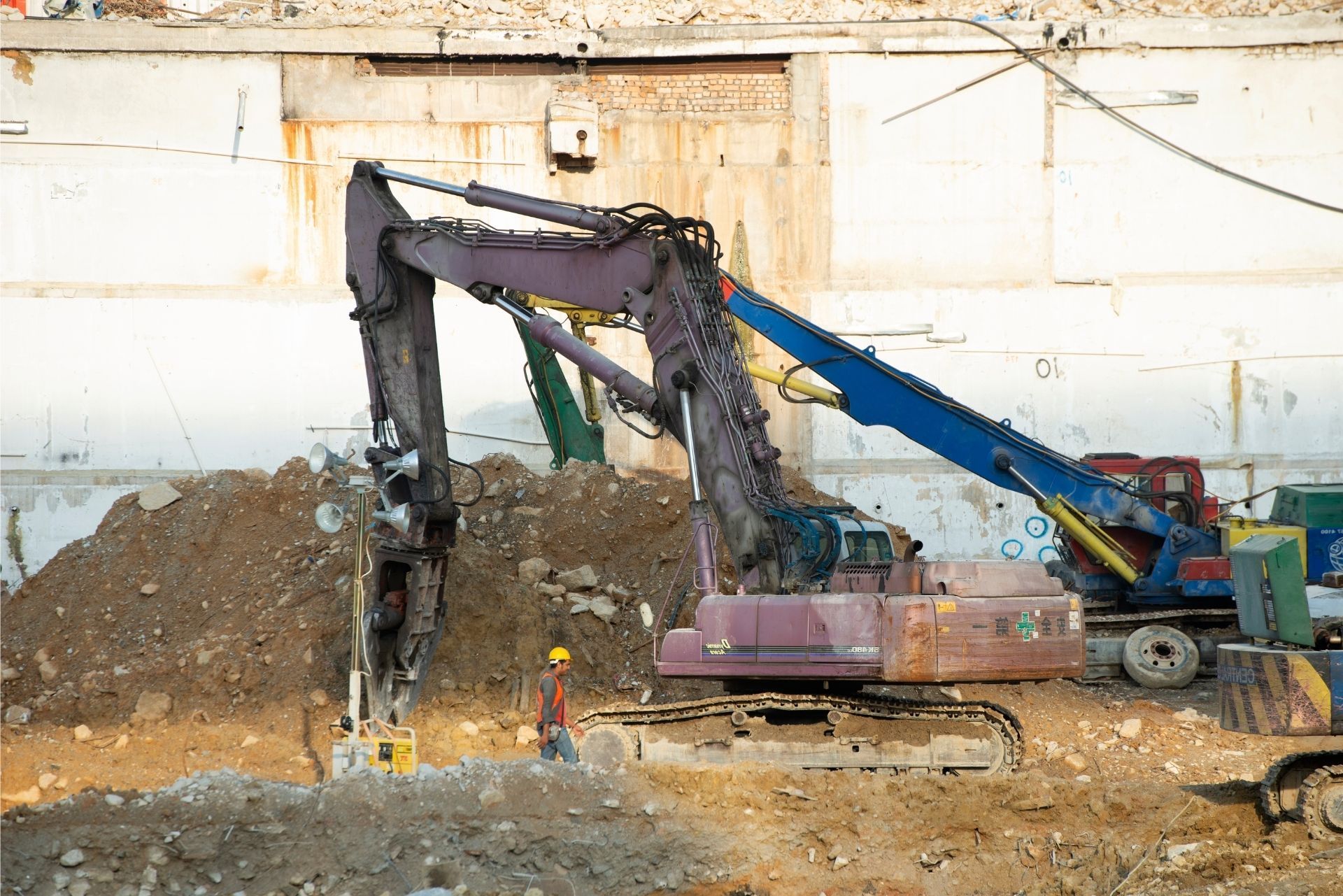
Excavation and demolition contractors operate in environments filled with hazards. Trenching, heavy equipment operation, and debris removal expose workers to injury risks and property damage. Unlike general contractors, these specialists often face unique liabilities such as underground utility strikes, soil collapse, and environmental contamination.
Insurance premiums for Florida contractors have surged recently. Builder’s risk insurance, for example, has jumped from 1-2% to 7-8% of total project costs. This increase reflects the heightened risk and claims frequency in the state’s construction and demolition sectors. Understanding these cost drivers helps contractors budget appropriately and avoid surprises during project bidding.
Additional policies beyond standard general liability are often necessary. Inland marine insurance protects valuable tools and equipment during transit or onsite use. Pollution liability insurance covers cleanup costs and third-party claims related to environmental damage, a common concern in demolition projects. These coverages fill gaps standard policies do not address, safeguarding your business from costly exposures.
Key Risks in Florida Excavation and Demolition
Florida’s geology and regulatory environment add layers of complexity. Trench collapses and excavation cave-ins are among the leading causes of severe injuries and fatalities in the industry. In December 2024, OSHA cited two Florida contractors for willfully exposing workers to trench hazards, resulting in penalties totaling $363,436. This enforcement action highlights the importance of safety compliance and risk management.
Environmental concerns also loom large. Demolition sites may encounter hazardous materials like asbestos or contaminated soil. Without proper insurance, cleanup costs and legal liabilities can devastate a contractor’s finances. Pollution liability insurance is designed to address these specific risks, offering peace of mind when handling potentially toxic substances.
Moreover, the regulatory landscape in Florida is continually evolving, with local and state agencies increasing scrutiny on safety practices and environmental impact. Contractors must stay informed about changes in legislation, such as stricter regulations on waste disposal and site remediation. Failing to comply can lead to hefty fines and project delays, further emphasizing the need for comprehensive insurance coverage that adapts to these shifting requirements.
Additionally, the use of advanced technology in excavation and demolition, such as drones for site surveying and automated machinery, introduces new risks and complexities. While these technologies can enhance efficiency and safety, they also require specialized training and insurance considerations. For instance, if a drone malfunctions and causes property damage or injury, having the right insurance policy can help mitigate the financial repercussions. As the industry continues to innovate, staying ahead of these trends and their associated risks is crucial for contractors aiming to protect their businesses effectively.

By: Montreal Morand
Founder & Managing Partner
Macpherson Insurance Agency
Understanding Insurance Coverage Types for Florida Contractors
Excavation and demolition contractors need a tailored insurance portfolio to cover their diverse risks. Below are the primary policies to consider:
General Liability Insurance
This foundational coverage protects against third-party bodily injury and property damage claims. It covers incidents like a passerby injured by falling debris or damage to a neighboring property during excavation. Given the high-risk nature of demolition work, adequate liability limits are crucial. Additionally, it is important for contractors to understand the nuances of their policy, including exclusions and conditions that could affect coverage. For instance, intentional acts or contractual liabilities may not be covered, so contractors should be diligent in reviewing their policies and seeking advice from insurance professionals to ensure comprehensive protection.
Builder’s Risk Insurance
Builder’s risk covers physical loss or damage to a project under construction, including materials, equipment, and structures. Florida contractors should expect higher premiums, reflecting recent market trends where rates have increased significantly. This insurance is vital for protecting investments during the active phases of demolition and site preparation. Moreover, contractors should also consider the duration of the coverage, as projects can often extend beyond initial timelines due to unforeseen circumstances such as weather delays or supply chain issues. Understanding the terms of coverage, including what happens in the event of a project halt, can provide additional peace of mind during complex projects.
Inland Marine Insurance
Tools and heavy equipment are expensive and vulnerable to theft, damage, or loss while in transit or onsite. Inland marine insurance fills this gap, offering coverage that standard property policies typically exclude. For demolition contractors, this policy ensures continuity even if critical machinery is out of commission. Furthermore, contractors should keep an inventory of their equipment and tools, as this can help in accurately assessing coverage needs and ensuring that all valuable assets are protected. Regular audits of equipment and timely updates to insurance policies can also help mitigate potential losses.
Pollution Liability Insurance
Environmental risks are inherent in demolition projects. Pollution liability insurance covers claims related to contamination, cleanup costs, and bodily injury caused by pollutants. This coverage is especially important in Florida, where environmental regulations are strict and enforcement is increasing. Contractors should also be aware of the potential for long-term environmental impacts that can arise from demolition activities, such as the disturbance of hazardous materials like asbestos or lead. Engaging with environmental consultants and ensuring compliance with local regulations can further enhance a contractor's risk management strategy and safeguard against costly liabilities.
Workers’ Compensation Insurance
Florida law requires most employers to carry workers’ compensation insurance. This coverage pays medical expenses and lost wages for employees injured on the job. Given the physically demanding and hazardous nature of excavation and demolition work, this insurance is critical for protecting your workforce and business. Additionally, implementing robust safety training programs and maintaining a culture of safety can help reduce the likelihood of workplace injuries, potentially leading to lower insurance premiums over time. Regular safety audits and compliance with OSHA regulations can also demonstrate a commitment to employee well-being, which may positively influence insurance providers when assessing risk and coverage options.
How Insurance Costs Impact Florida Excavation Contractors
Insurance premiums represent a significant portion of operating expenses. Excavation contractors in Florida pay an average of $5,220 annually for insurance, which amounts to about 10.4% of their revenue. This percentage underscores the importance of securing cost-effective coverage without sacrificing protection. Given the unpredictable nature of excavation work, which often involves heavy machinery and potential hazards, having the right insurance is not just a financial decision but a critical aspect of risk management. Contractors must carefully assess their coverage options to ensure they are adequately protected against liabilities, property damage, and worker injuries that can arise on the job site.
Insurance fraud also drives up premiums across the industry. A recent survey shows fraud costs more than $40 billion annually nationwide, adding $400 to $700 to the average family’s insurance bills each year. While this statistic is broad, it reflects the challenges insurers face, which trickle down to contractors through higher rates. In Florida, where the construction industry is booming, the prevalence of fraudulent claims can be particularly concerning. Contractors must remain vigilant, as even minor incidents can lead to inflated claims that ultimately affect their bottom line. Implementing robust safety protocols and training can help mitigate risks and potentially lower insurance costs over time.
Fortunately, Florida’s insurance market is evolving. Legislative reforms in 2024 have allowed eight new property insurers to enter the state, increasing competition and options for contractors. This development may lead to more competitive pricing and better coverage choices in the near future. Contractors should stay informed about these changes to leverage new opportunities. Additionally, as more insurers enter the market, there may be innovative policy options tailored specifically for excavation contractors, such as coverage for equipment breakdowns or environmental liabilities. Engaging with an experienced insurance broker can provide valuable insights into navigating these new offerings and ensuring comprehensive protection.
For more on Florida’s insurance market changes, see BellKen Insurance insights.
Managing Risk and Compliance for Safer Operations
Insurance is only part of the equation. Effective risk management and regulatory compliance reduce claims and improve safety outcomes. Florida contractors must adhere to OSHA standards, especially regarding trenching and excavation safety. Failure to comply can lead to severe penalties and increased insurance costs. Moreover, the unique environmental conditions in Florida, such as heavy rainfall and hurricane threats, necessitate additional precautions to ensure that construction sites are not only compliant but also resilient against natural disasters.
Regular safety training, proper equipment maintenance, and site inspections help prevent accidents. Demonstrating a strong safety culture can also influence insurance underwriting positively, potentially lowering premiums over time. It is essential for contractors to foster an environment where safety is prioritized, encouraging workers to voice concerns and report hazards without fear of reprisal. This proactive approach not only enhances worker morale but also cultivates a sense of shared responsibility among team members, ultimately leading to a safer workplace.
Contractors should also document environmental assessments and remediation plans to mitigate pollution risks. Working with insurance brokers knowledgeable about Florida’s demolition sector ensures that coverage matches the specific hazards encountered. Additionally, staying informed about local regulations and industry best practices can provide contractors with a competitive edge. Engaging with local trade associations and participating in workshops can further enhance a contractor's understanding of evolving compliance requirements and innovative risk management strategies, ensuring they remain at the forefront of safety and operational excellence.
Insurance Coverage Comparison for Excavation and Demolition Contractors
| Coverage Type | What It Covers | Why It Matters for Florida Contractors | Typical Cost Considerations |
|---|---|---|---|
| General Liability | Third-party injury and property damage | Protects against common jobsite accidents and lawsuits | Premiums vary by project size and risk exposure |
| Builder’s Risk | Damage to construction materials and structures | Essential for protecting ongoing demolition and rebuild projects | Recently increased to 7-8% of project costs in Florida |
| Inland Marine | Tools, equipment, and materials in transit or onsite | Protects expensive machinery from theft or damage | Costs depend on equipment value and coverage limits |
| Pollution Liability | Environmental contamination and cleanup costs | Addresses risks unique to demolition of older structures | Premiums influenced by site history and environmental risks |
| Workers’ Compensation | Employee injury medical and wage benefits | Mandatory in Florida; critical for high-risk workforces | Rates based on payroll and job hazard classification |
What Florida Excavation and Demolition Contractors Should Know
Insurance is a vital tool for managing the financial risks of high-hazard work. Contractors should conduct regular insurance reviews to ensure coverage aligns with current operations and regulatory requirements. Changes in project scope, equipment upgrades, or new environmental findings can all impact insurance needs.
Working with brokers who specialize in Florida’s demolition and excavation sectors can provide valuable insights. These experts understand local market conditions, regulatory changes, and emerging risks. They can help tailor policies that balance protection and cost.
Given the industry’s projected growth rate of 3.2% annually through 2025, staying ahead with proper insurance and risk management practices is more important than ever. Contractors who invest in safety and coverage will be better positioned to win contracts and weather unexpected challenges.
For additional guidance on contractor insurance in Florida, see
ContractorNerd’s insurance overview.
Frequently Asked Questions
Q: Do I need pollution liability insurance for demolition work in Florida?
A: Yes. Demolition often involves environmental risks like asbestos or soil contamination, making pollution liability coverage important.
Q: How much does builder’s risk insurance typically cost in Florida?
A: Builder’s risk premiums have risen to about 7-8% of total project costs, reflecting increased risk and claims in the state.
Q: Can I reduce insurance premiums by improving jobsite safety?
A: Yes. Demonstrating strong safety practices and compliance with OSHA standards can lead to lower premiums over time.
Q: Is workers’ compensation insurance mandatory for excavation contractors in Florida?
A: Generally, yes. Florida requires most employers to carry workers’ compensation to cover employee injuries.
Q: What is inland marine insurance and why do I need it?
A: Inland marine insurance covers tools and equipment during transit or onsite, protecting against theft or damage not covered by standard property policies.
Q: How has Florida’s insurance market changed recently for contractors?
A: Legislative reforms in 2024 have introduced eight new property insurers, increasing competition and options for coverage.
ABOUT THE AUTHOR:
MONTREAL MORAND
With over 20 years of leadership experience in the insurance industry, I’ve dedicated my career to helping clients and agents make informed, confident decisions about their coverage. I’ve led high-performing teams, managed more than $128 million in premium, and earned multiple national awards for excellence. Today, my mission remains the same — to educate, empower, and provide dependable protection for the communities we serve.
Contact Us
Protect the Things That Matter Most
Reliable Coverage for Your Home & Lifestyle
Home Insurance
Protect your home, belongings, and personal liability with reliable coverage.
Stronger Coverage for Your Operations
Essential Protection for Your Company
Coverage built for businesses that depend on people, property, and equipment.
Industries We Support
Insurance for Everyday Local Businesses
Simple, reliable protection for the people who keep our communities running.
Plumbers
Plumbers Insurance
Protection for job-site hazards, tools, and customer property.
Restaurants
Restaurants Insurance
Coverage for fire risks, food inventory, and general liability.
HVAC Contractors
HVAC Contractors Insurance
Insurance for service vehicles, equipment, and installation risks.




Frequently Asked Questions
Helpful Answers to Common Questions
Quick guidance to help you understand your coverage.
What types of insurance does Macpherson Insurance Agency offer?
We provide both personal and commercial insurance solutions. On the personal side: homeowners, automobile, condo, renters, windstorm, flood, excess flood, and more. On the commercial side: general liability, property, inland marine, ocean marine, workers compensation, and more.
Do you specialize in homeowners insurance in South Florida?
Yes. We specialize in homeowners coverage in South Florida and work with multiple carriers based on your property’s age, location and replacement cost.
What does “replacement cost” mean in a policy?
Replacement cost is the cost to rebuild your home to the same standard it had before a loss — not the market value of your property.
Why is it important that my insurer is licensed in Florida?
Licensed Florida insurers are continuously monitored for financial stability — if one fails, the Florida Insurance Guaranty Fund may reimburse insureds for unpaid claims up to a limit.
Can I lower my homeowners premium with discounts?
Yes — mitigation features like impact glass, storm shutters, roof straps, and approved sheathing may qualify you for significant credit reductions.
Do you offer payment plans or premium financing?
Yes. In many cases, payment plans and premium financing are available to make coverage more affordable and manageable over time.
From the Blog
Helpful Tips & Insurance Guidance
Articles created to make insurance easier to understand.







Contact Us
Phone
Location