Florida's event planning industry runs year-round, from beachfront weddings in Naples to corporate retreats in Orlando and music festivals in Miami's Wynwood district. That constant activity means constant exposure to risk. A single guest injury, a vendor no-show, or a tropical storm tearing through a tent setup can turn a profitable event into a financial disaster overnight. If you're running a planning business in this state, understanding the right insurance coverage isn't optional; it's the difference between surviving a bad day and closing your doors. This guide breaks down event planning business insurance in Florida so you know exactly what policies you need, what the state requires, and where planners commonly get caught without enough protection. Whether you're coordinating intimate dinner parties or managing large-scale productions, the stakes are real, and the right coverage keeps your business standing when things go sideways.
Why Florida Event Planners Need Specific Coverage
Florida isn't like other states. The combination of extreme weather, high tourism volume, and a litigious legal environment creates a risk profile that generic business insurance simply won't address. A planner working events in Brickell faces different exposures than one running barn weddings in Ocala, but both share vulnerabilities unique to this state.
The 2024 tort reform changes reduced some frivolous lawsuit risks, but they didn't eliminate liability for legitimate claims. Planners still face slip-and-fall lawsuits, vendor disputes, and property damage claims regularly. Your insurance needs to reflect Florida's specific conditions, not a one-size-fits-all template.
Unique Weather Risks and Hurricane Clauses
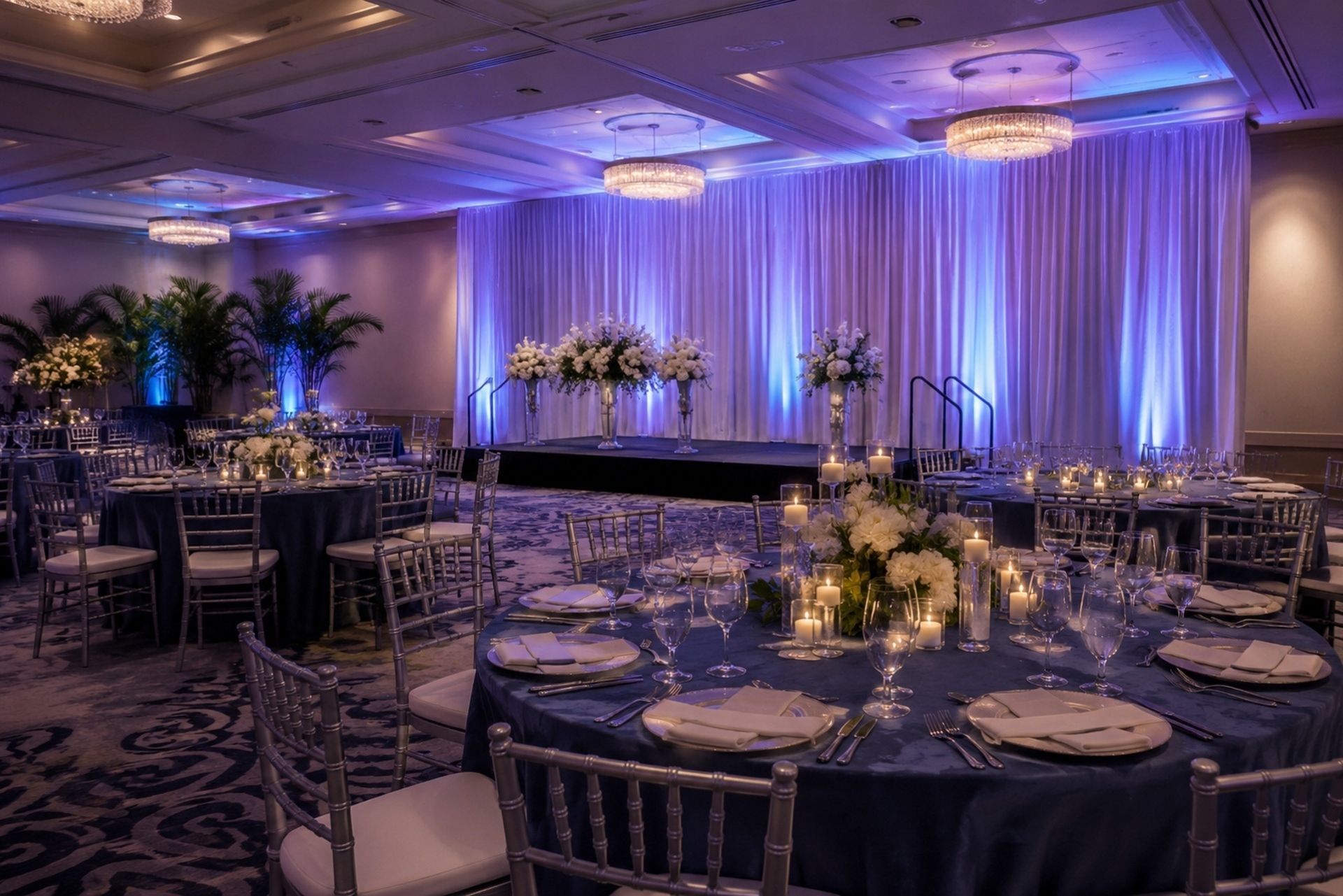
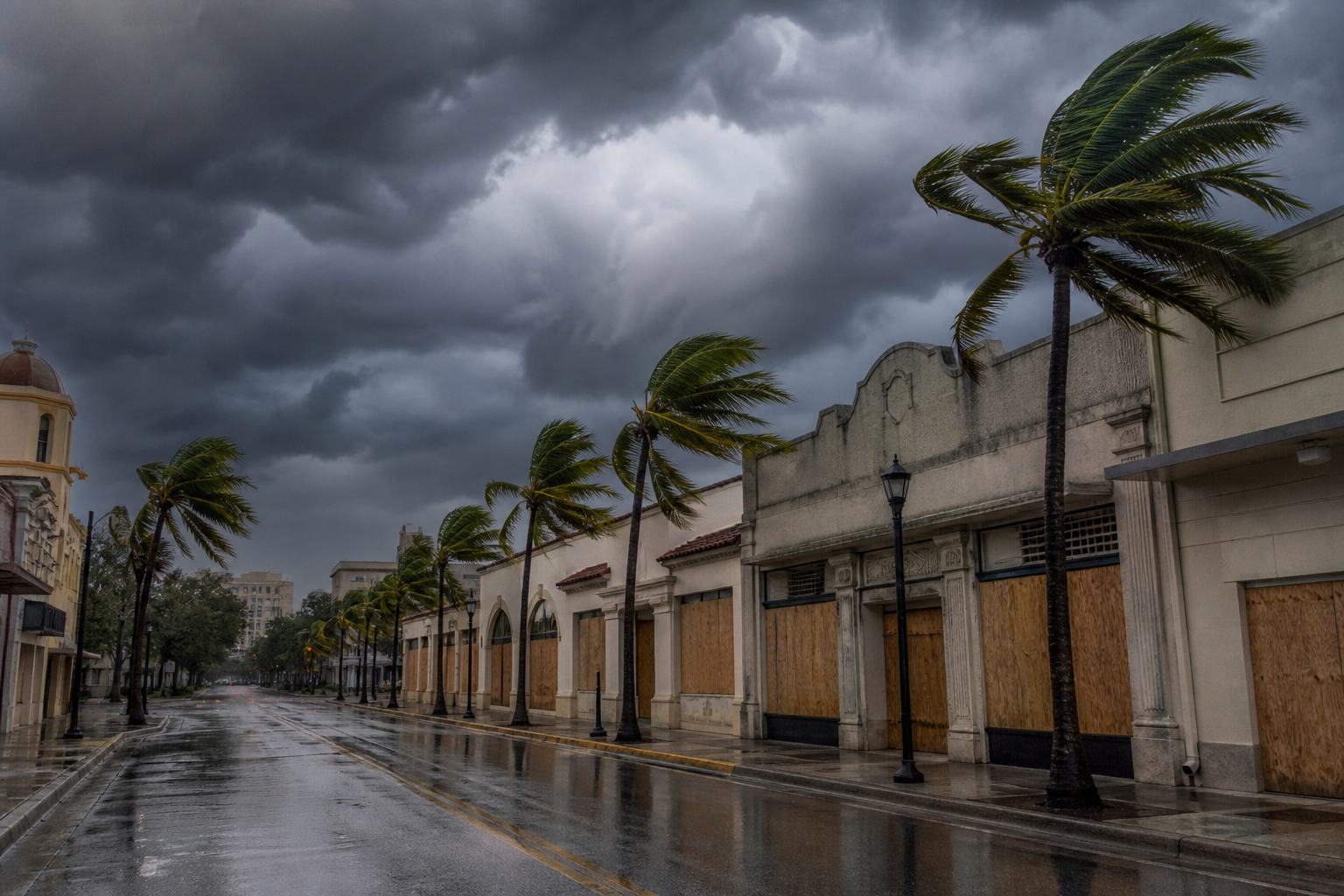
Hurricane season runs June through November, which overlaps with a significant chunk of Florida's event calendar. Most standard event cancellation policies include hurricane exclusions or impose waiting periods of 24 to 72 hours after a named storm warning. If you don't read the fine print, you could be stuck covering tens of thousands in lost deposits and vendor fees yourself.
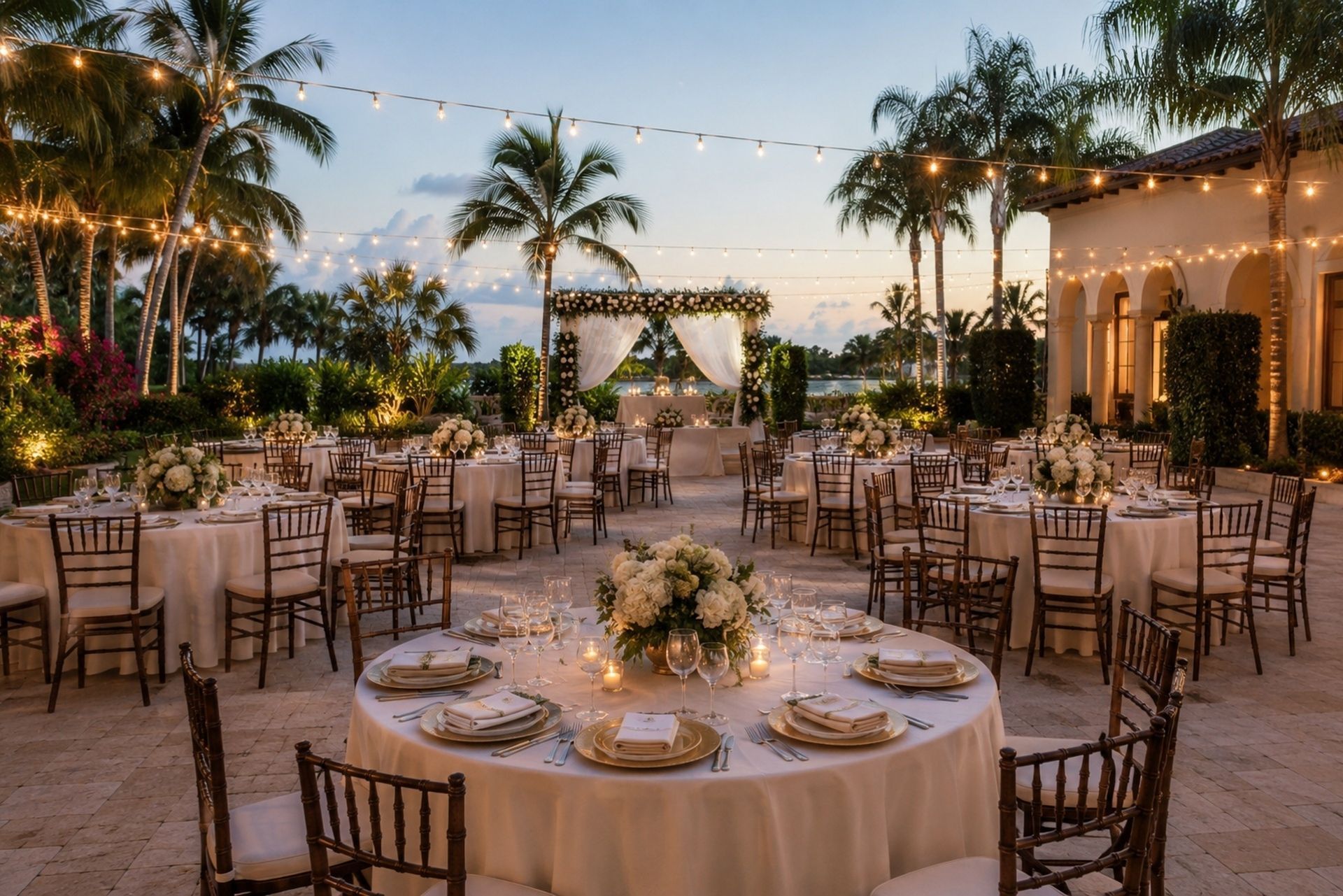
Tropical storms don't need to make direct landfall to ruin an outdoor event. Heavy rain bands from a system 200 miles offshore can flood a venue in St. Augustine or knock out power across Tampa Bay. Planners who work outdoor events between June and November should carry specific weather-related cancellation coverage with clearly defined trigger points, not vague "act of God" language.
Common Claims in the Sunshine State
The most frequent claims Florida event planners face aren't dramatic. They're mundane. A guest trips over a cable at a corporate gala. A rented arch collapses during setup. A caterer serves undercooked seafood at a waterfront reception. These everyday incidents generate the bulk of insurance claims in this industry.
Property damage claims are also common, especially at historic venues or private estates where a scratch on antique flooring or a stain on imported marble can cost thousands to repair. One claim that catches many planners off guard : damage to rented AV equipment during transport. If you're hauling gear in your vehicle, your personal auto policy won't cover it.
By: Montreal Morand
Founder & Managing Partner
Macpherson Insurance Agency
Core Insurance Policies for Your Planning Business
Every event planning operation in Florida should carry at least two foundational policies : general liability and professional liability. These aren't interchangeable, and carrying one without the other leaves a significant gap in your protection.
General Liability: Protecting Against Physical Accidents
General liability (GL) covers bodily injury and property damage that occurs during your events or at your business location. If a guest breaks an ankle on a wet dance floor you set up, GL responds. If your team damages a venue's chandelier during installation, GL covers the repair or replacement cost.
Most Florida venues require planners to carry at least $1 million per occurrence in general liability before they'll sign a contract. Some high-end locations in Palm Beach and Miami Beach require $2 million or more. Your GL policy should also include completed operations coverage, which protects you after the event ends if someone later claims an injury resulted from your setup.
Professional Liability: Errors and Omissions Coverage
Professional liability, often called errors and omissions (E&O), covers mistakes in your professional services. This is the policy that responds when you book the wrong date, hire an unlicensed vendor, or fail to secure a required permit. These aren't physical accidents; they're professional failures that cause financial harm to your client.
A real scenario : you confirm a florist for a June wedding in Sarasota, but the florist cancels last minute and you didn't have a backup plan in the contract. The couple sues for the cost difference of emergency flowers plus emotional distress. E&O coverage handles the legal defense and potential settlement.
Comparison: General Liability vs. Professional Liability
| Feature | General Liability | Professional Liability (E&O) |
|---|---|---|
| Covers | Bodily injury, property damage | Professional mistakes, negligence |
| Example claim | Guest slips on wet floor | Planner books wrong venue date |
| Typical limit | $1M/$2M | $500K to $1M |
| Required by venues? | Almost always | Sometimes |
| Average annual cost (FL) | $450 to $1,200 | $350 to $900 |
| Covers legal defense? | Yes | Yes |
Both policies are essential. GL alone won't protect you from a lawsuit over a planning error, and E&O won't cover a guest's broken wrist.
Florida State Requirements and Mandates
Florida doesn't require event planners to carry general liability insurance by law, but that doesn't mean you can skip it. Venues, clients, and vendors will require proof of coverage before working with you. The state does, however, have specific mandates around workers' compensation and commercial auto that apply directly to planning businesses.
Workers' Compensation Laws for Small Teams
Florida requires workers' compensation insurance for any non-construction business with four or more employees. If you hire even part-time staff, seasonal coordinators, or day-of assistants who push you to that threshold, you need coverage. The penalties for non-compliance are steep : fines of up to $1,000 per day and potential criminal charges for repeat violations.
Here's where planners get caught : using 1099 contractors doesn't automatically exempt you. Florida's Division of Workers' Compensation looks at the actual working relationship, not just the paperwork. If you control when, where, and how your "contractors" perform their work, the state may reclassify them as employees. That reclassification triggers workers' comp requirements retroactively.
Commercial Auto Insurance for Equipment Transport
If you or your team use vehicles to transport event supplies, decor, or equipment, your personal auto policy won't cover accidents that occur during business use. Florida requires commercial auto insurance for any vehicle used primarily for business purposes. This applies even if you're using your personal SUV to haul centerpieces to a venue in The Villages.
A commercial auto policy covers vehicle damage, bodily injury to others, and cargo. The cargo piece matters : if you're transporting $15,000 worth of rented linens and lighting and you're rear-ended on I-4, your personal policy will deny the claim. Commercial auto fills that gap.
Additional Protections for Special Events
Beyond the core policies, certain event types demand specialized coverage. Alcohol service and rented equipment are two of the most common areas where Florida planners need extra protection.
Liquor Liability for Catered Affairs
If your events include alcohol service, you need liquor liability coverage. Florida's dram shop laws hold commercial alcohol providers responsible for injuries caused by intoxicated guests. Even if a licensed caterer handles the bar, your planning company can still be named in a lawsuit if you organized the event.
Liquor liability policies typically cost between $200 and $600 per event, depending on guest count and service style. Open bars at large events carry higher premiums than limited wine-and-beer setups. Some planners build this cost directly into their event packages so clients aren't surprised.
Inland Marine: Insuring Rented Decor and Gear
Inland marine insurance covers movable property and equipment in transit or stored at temporary locations. For event planners, this means rented furniture, lighting rigs, sound systems, and decorative items. If a storm damages rented farm tables stored overnight at a Clearwater Beach venue, inland marine covers the replacement cost.
This coverage is often overlooked because the name is confusing. It has nothing to do with boats. Think of it as "property in motion" insurance. Rental companies increasingly require planners to show proof of inland marine coverage before releasing high-value items.
Common Questions About Florida Event Insurance
Do I need insurance if I only plan small parties?
Yes. A guest can trip and break a hip at a 20-person birthday party just as easily as at a 500-person gala. The size of the event doesn't determine your liability exposure. Even small claims can cost $10,000 or more in legal fees alone.
Can I get a policy for just one weekend?
You can. Several insurers offer short-term event policies ranging from one day to two weeks. These typically cost $150 to $500 depending on the event size and type. They're useful for planners just starting out, but a full annual policy usually becomes more cost-effective after three or four events per year.
How much does a typical policy cost in Florida?
A general liability policy for a Florida event planner averages $450 to $1,200 annually. Adding professional liability, inland marine, and liquor liability can bring total annual premiums to $2,000 to $4,500. Your specific cost depends on revenue, event types, employee count, and claims history.
Will my homeowners insurance cover my home-based office?
Almost certainly not. Most homeowners policies exclude business activities or cap business property coverage at $2,500. If a client visits your home office and is injured, your homeowners insurer will likely deny the claim. A separate business owners policy (BOP) or in-home business endorsement is the right solution.
Before You Buy a Policy
Getting the right insurance for your Florida event planning business requires more than picking the cheapest quote online. Start by auditing your actual risk exposure. How many events do you run per year? Do you serve alcohol? Do you transport equipment? Do you hire staff or use contractors? Each answer shapes your coverage needs.
Request quotes from at least three insurers who specialize in event industry coverage, not general commercial brokers. Ask specifically about hurricane clauses, cancellation triggers, and whether your policy covers subcontractor work. Read the exclusions section of every policy, because that's where the surprises hide.
Florida's event planning insurance requirements are specific to this state's climate, legal environment, and industry demands. The right combination of general liability, professional liability, workers' comp, and specialty coverages protects your business from the risks that actually show up, not just the ones you imagine. Don't wait until a claim forces you to discover what your policy doesn't cover. Review your coverage annually, update it as your business grows, and treat your insurance as a core operating cost rather than an afterthought.
ABOUT THE AUTHOR:
MONTREAL MORAND
With over 20 years of leadership experience in the insurance industry, I’ve dedicated my career to helping clients and agents make informed, confident decisions about their coverage. I’ve led high-performing teams, managed more than $128 million in premium, and earned multiple national awards for excellence. Today, my mission remains the same — to educate, empower, and provide dependable protection for the communities we serve.
Contact Us
Protect the Things That Matter Most
Reliable Coverage for Your Home & Lifestyle
Home Insurance
Protect your home, belongings, and personal liability with reliable coverage.
Stronger Coverage for Your Operations
Essential Protection for Your Company
Coverage built for businesses that depend on people, property, and equipment.
Industries We Support
Insurance for Everyday Local Businesses
Simple, reliable protection for the people who keep our communities running.
Plumbers
Plumbers Insurance
Protection for job-site hazards, tools, and customer property.
Restaurants
Restaurants Insurance
Coverage for fire risks, food inventory, and general liability.
HVAC Contractors
HVAC Contractors Insurance
Insurance for service vehicles, equipment, and installation risks.




Frequently Asked Questions
Helpful Answers to Common Questions
Quick guidance to help you understand your coverage.
What types of insurance does Macpherson Insurance Agency offer?
We provide both personal and commercial insurance solutions. On the personal side: homeowners, automobile, condo, renters, windstorm, flood, excess flood, and more. On the commercial side: general liability, property, inland marine, ocean marine, workers compensation, and more.
Do you specialize in homeowners insurance in South Florida?
Yes. We specialize in homeowners coverage in South Florida and work with multiple carriers based on your property’s age, location and replacement cost.
What does “replacement cost” mean in a policy?
Replacement cost is the cost to rebuild your home to the same standard it had before a loss — not the market value of your property.
Why is it important that my insurer is licensed in Florida?
Licensed Florida insurers are continuously monitored for financial stability — if one fails, the Florida Insurance Guaranty Fund may reimburse insureds for unpaid claims up to a limit.
Can I lower my homeowners premium with discounts?
Yes — mitigation features like impact glass, storm shutters, roof straps, and approved sheathing may qualify you for significant credit reductions.
Do you offer payment plans or premium financing?
Yes. In many cases, payment plans and premium financing are available to make coverage more affordable and manageable over time.
From the Blog
Helpful Tips & Insurance Guidance
Articles created to make insurance easier to understand.



Contact Us
Phone
Location