Building in Florida is no small feat. The Sunshine State offers lucrative opportunities for real estate developers, but it also presents unique challenges, especially when it comes to insurance. Between rising climate risks and a shifting insurance market, understanding how to manage construction and project risk with the right insurance coverage is essential for developers aiming to protect their investments and keep projects on track.
Florida’s home insurance market has seen dramatic changes over the last decade. Active home insurance policies have dropped by 78%, while Citizens Property Insurance Corporation, the state’s insurer of last resort, now holds a staggering 63% market share, up from just 6% ten years ago. This shift signals a tightening market that directly impacts developers and builders who need reliable coverage during construction and beyond. Insurance Business Magazine highlights this collapse as a warning sign of broader financial and climate risks facing Florida.
Why Florida’s Insurance Market Matters to Real Estate Developers
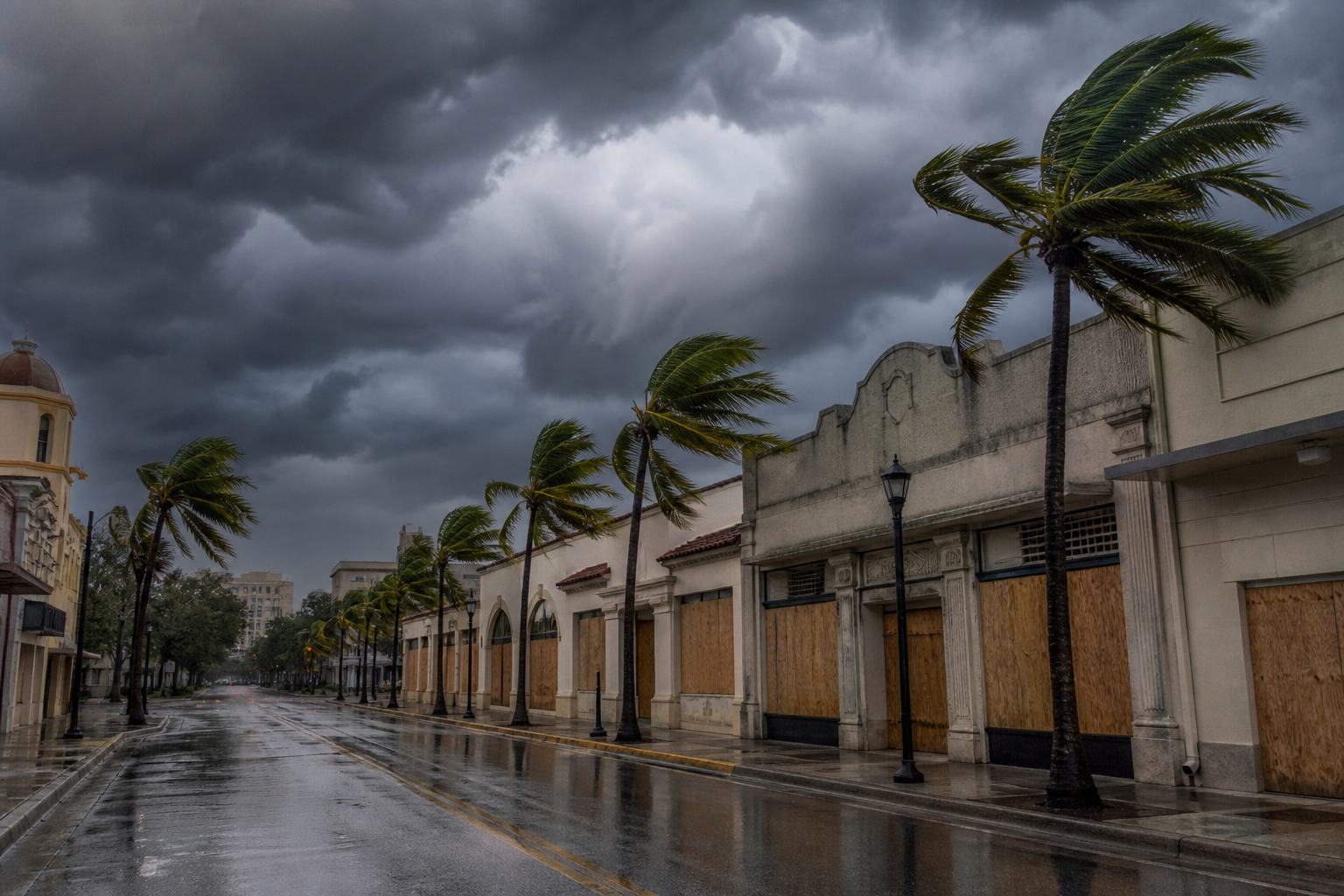
Florida’s insurance crisis is more than just a headline; it’s a real obstacle for developers. The state’s exposure to hurricanes, flooding, and rising sea levels means insurers face growing claims, leading many to pull back or raise rates. This environment makes it harder for developers to secure the policies needed for construction projects, which often require multiple layers of coverage.
Small insurers dominate Florida’s market, but many are financially weak and fail to meet federal standards for insuring mortgaged homes. This instability adds risk for developers who rely on these companies for builder’s risk and liability policies. A 2025 study found that most small insurers in Florida do not meet these guidelines, increasing the likelihood of coverage gaps or insolvencies during claims. Florida Trend provides a detailed look at this challenge.
Despite these hurdles, recent legislative reforms have sparked some optimism. In 2024, Florida’s property insurance market reported its first underwriting profit in nearly a decade. This turnaround is credited to significant reforms and a reduction in litigation, which has encouraged fresh capital to flow into the market. John Seo, managing director of Fermat Capital Management, notes that these changes have opened the door for billions in new investment over the next few years, potentially stabilizing the insurance landscape for developers. Florida Realtors covers this promising development.
Furthermore, the increasing focus on climate resilience is reshaping the insurance landscape in Florida. Developers are now encouraged to incorporate sustainable building practices and innovative designs that mitigate risk, such as elevating structures and using wind-resistant materials. These proactive measures not only enhance safety but also make projects more appealing to insurers, who are increasingly looking for ways to reduce their exposure to catastrophic losses. As a result, developers who prioritize resilience may find themselves at a competitive advantage, attracting both investment and favorable insurance terms.
Moreover, the growing trend of public-private partnerships in the insurance sector is also noteworthy. These collaborations aim to create more robust insurance solutions tailored to Florida's unique challenges. By pooling resources and sharing risks, these partnerships can lead to more stable premiums and better coverage options for developers. As the state continues to grapple with the impacts of climate change, such initiatives may prove vital in ensuring that Florida's real estate market remains vibrant and sustainable in the long term.

By: Montreal Morand
Founder & Managing Partner
Macpherson Insurance Agency
Key Insurance Coverages for Florida Real Estate Developers
Real estate development projects come with a variety of risks. In Florida, these risks are amplified by weather, litigation, and market instability. Developers need to understand the core types of insurance that protect their projects from start to finish.
Builder’s Risk Insurance
This coverage protects buildings under construction from damage caused by fire, wind, theft, vandalism, and other perils. Given Florida’s hurricane exposure, builder’s risk policies often include specific windstorm coverage or require separate windstorm policies. Without this protection, developers face the possibility of bearing the full cost of repairs or rebuilding after storm damage.
Builder’s risk insurance also covers materials, equipment, and supplies on-site, which is critical when projects face delays or theft. Developers should carefully review policy limits and exclusions, especially related to flood and storm surge, which are common in coastal Florida. Additionally, it is advisable for developers to keep detailed records of all materials and equipment on-site, as this can facilitate claims processing in the event of a loss. Understanding the nuances of a builder’s risk policy, including the duration of coverage and the requirements for notifying insurers of changes in project scope, can further safeguard developers against unexpected setbacks.
General Liability Insurance
Construction sites are inherently risky environments. General liability insurance covers bodily injury and property damage claims from third parties, such as subcontractors, visitors, or passersby. This coverage is essential for protecting developers from lawsuits that could arise from accidents on-site.
In Florida, the litigation climate has historically driven up liability costs. Recent reforms have helped reduce frivolous claims, but developers should still ensure they have robust liability coverage tailored to their project’s size and complexity. Furthermore, it is crucial for developers to implement safety protocols and training for all workers on-site. By fostering a culture of safety and compliance, developers can not only minimize the risk of accidents but also potentially lower their insurance premiums over time, as insurers often reward proactive risk management practices.
Professional Liability Insurance
Errors and omissions by architects, engineers, or contractors can lead to costly claims. Professional liability insurance protects against these risks, covering negligence, design errors, or failure to meet professional standards. For developers managing multiple contractors and consultants, this coverage helps mitigate financial exposure from professional mistakes.
Moreover, as projects become increasingly complex, the importance of having a comprehensive professional liability policy cannot be overstated. Developers should consider the specific risks associated with their projects, such as unique architectural features or innovative construction techniques, and ensure that their coverage adequately reflects these factors. Regular communication with all stakeholders involved in the project can also help identify potential pitfalls early, allowing for timely adjustments to project plans and insurance coverage.
Environmental and Flood Insurance
Florida’s coastal development boom has increased exposure to flooding and environmental hazards. Between 2019 and 2023, the state built 77,000 new buildings in high-risk flood zones, more than any other state during that period. This trend heightens the importance of flood insurance, which is often excluded from standard policies.
Environmental insurance can cover pollution cleanup, contamination, and other risks tied to land development. Given the rising sea levels and storm surge risks projected to increase by 50% for coastal populations by the end of the century, these coverages are becoming indispensable.
A recent study highlights the growing threat of coastal storm surges, reinforcing the need for comprehensive flood risk management. Additionally, developers should stay informed about local regulations and environmental assessments that may impact their projects. Engaging with environmental consultants during the planning phase can provide valuable insights into potential hazards and necessary mitigation strategies, ultimately leading to more sustainable and resilient developments that align with Florida's unique ecological landscape.
Managing Climate and Litigation Risks in Florida Development
Climate change is reshaping the risk landscape for Florida developers. Hurricanes are becoming more intense, sea levels are rising, and flooding is more frequent. These factors not only increase the likelihood of property damage but also drive up insurance costs and reduce market capacity. As a result, developers are faced with the dual challenge of ensuring their projects are resilient against these environmental threats while also navigating a complex and evolving insurance landscape.
Max Dugan-Knight, a climate data scientist, describes Florida’s insurance crisis as “the financial system’s early warning of climate catastrophe.” This perspective underscores how intertwined climate risks and financial stability are, especially in states like Florida where real estate development is booming. Insurance Business Magazine explores this connection in depth. The increasing unpredictability of weather patterns necessitates a proactive approach to risk assessment, pushing developers to invest in innovative building techniques and sustainable practices that can withstand the pressures of a changing climate.
On the litigation front, Florida has long been known for high legal exposure in construction. Lawsuits over construction defects, delays, and property damage can stall projects and inflate costs. Recent legislative reforms aimed at curbing litigation have improved the insurance market’s outlook, but developers must remain vigilant. Proper risk management, including thorough contracts and insurance, helps minimize legal disputes and protects project timelines. Furthermore, engaging with legal experts early in the development process can provide invaluable insights into potential pitfalls, allowing developers to navigate the complex legal landscape more effectively.
The Role of Natural Defenses in Risk Reduction
Natural barriers like mangroves play a surprisingly large role in reducing storm surge damage. Research in Collier County estimates that mangroves save $67.5 million annually in storm surge losses. During hurricanes Irma and Ian, these natural defenses prevented billions in damages. Developers working near coastal areas should consider the protective value of existing ecosystems when planning projects and assessing insurance needs. This study highlights how preserving mangroves can be a cost-effective risk management strategy. Additionally, integrating green infrastructure, such as wetlands and permeable pavements, can further enhance resilience, reduce runoff, and improve water quality, thereby creating a more sustainable development model.
Moreover, the importance of community engagement cannot be overstated. By involving local stakeholders in the planning process, developers can gain insights into community needs and values, which can lead to more effective and accepted solutions. Collaborative efforts to restore and maintain natural defenses not only bolster the environmental integrity of the area but also foster a sense of shared responsibility among residents and developers alike. This holistic approach to development can ultimately lead to more resilient communities that are better equipped to face the challenges posed by climate change.

Strategies for Securing Reliable Insurance Coverage
Given Florida’s challenging insurance environment, developers must be proactive in sourcing and managing coverage. Here are some practical strategies to consider:
- Work with Experienced Brokers: Insurance brokers familiar with Florida’s market can navigate the complex landscape and find carriers with strong financial ratings.
- Bundle Policies: Combining builder’s risk, general liability, and professional liability can sometimes yield better terms and reduce gaps.
- Invest in Risk Mitigation: Implementing hurricane-resistant building techniques and flood controls can lower premiums and improve insurability.
- Monitor Legislative Changes: Stay informed about reforms that impact insurance availability and claims processes.
- Plan for Higher Deductibles: Accepting higher out-of-pocket costs for certain risks can make coverage more affordable.
John Seo’s insight about fresh capital flowing into Florida’s market suggests that opportunities exist for developers who position themselves well. With the right insurance strategy, projects can move forward with greater confidence despite the state’s unique risks. Florida Realtors provides useful updates on these market shifts.
Moreover, understanding the nuances of Florida's climate and geography is essential for developers. The state is prone to hurricanes, tropical storms, and flooding, which necessitates a comprehensive approach to risk assessment. Developers should conduct thorough site evaluations to identify vulnerabilities and consider investing in advanced weather monitoring systems that can provide real-time data. This proactive stance not only aids in securing better insurance rates but also enhances the overall safety and resilience of the construction projects.
Additionally, engaging with local communities and stakeholders can yield invaluable insights into the specific risks associated with particular regions. By fostering relationships with local governments and disaster response agencies, developers can gain a better understanding of regulatory requirements and available resources. This collaborative approach can also open doors to potential partnerships and funding opportunities aimed at enhancing infrastructure resilience, further solidifying the developer's position in the market.
Understanding the Cost Implications for Developers
Insurance costs in Florida are among the highest in the nation, driven by climate risks and market instability. Developers should budget carefully for premiums, which can fluctuate based on location, project type, and coverage scope.
Projects in high-risk flood zones or coastal areas will face steeper premiums and may require additional endorsements. The trend of building in these risky areas continues despite the cost, with thousands of new structures erected in flood-prone zones recently. This practice increases exposure not only for developers but also for insurers, which in turn affects policy availability and pricing.
Developers must weigh the cost of insurance against potential losses from storm damage or litigation. Sometimes, investing in stronger construction standards and risk management can reduce insurance expenses and protect long-term project viability.
What Developers Need to Remember When Choosing Insurance
Insurance is not a one-size-fits-all solution. Each development project has unique risks that require tailored coverage. Here are key points to keep in mind:
- Assess Specific Risks: Understand the environmental, legal, and financial risks tied to your project’s location and scope.
- Review Policy Details: Pay close attention to exclusions, limits, and conditions, especially for wind, flood, and liability coverage.
- Work with Trusted Partners: Choose insurers and brokers with proven expertise in Florida’s market.
- Plan for the Long Term: Consider how climate change and regulatory shifts might affect insurance needs over the project lifecycle.
- Document Everything:
Keep thorough records of contracts, inspections, and risk mitigation efforts to support claims if needed.
Frequently Asked Questions
Q: Why is Florida’s insurance market so challenging for developers?
A: Florida faces high risks from hurricanes, flooding, and litigation, causing many insurers to exit the market or raise rates. This makes coverage harder to find and more expensive.
Q: What is builder’s risk insurance and why is it important?
A: Builder’s risk insurance protects buildings and materials during construction from damage caused by fire, storms, theft, and other perils. It’s crucial in Florida due to frequent hurricanes and storms.
Q: How do natural features like mangroves affect insurance risk?
A: Mangroves reduce storm surge damage significantly, lowering potential losses. Preserving these natural barriers can improve a project’s risk profile and insurance costs.
Q: Can legislative reforms improve insurance availability in Florida?
A: Yes. Recent reforms have reduced litigation and improved underwriting profits, encouraging new capital to enter the market and stabilizing insurance options for developers.
Q: Should developers build in high-risk flood zones?
A: Building in flood-prone areas increases insurance costs and risks. Developers should carefully assess these factors and consider mitigation strategies before proceeding.
Q: How can developers reduce insurance premiums?
A: Investing in hurricane-resistant construction, bundling policies, working with experienced brokers, and accepting higher deductibles can help lower premiums.
Q: What happens if an insurer becomes financially weak during a project?
A: Financially weak insurers may struggle to pay claims, causing delays or losses. Developers should choose carriers that meet federal standards and have strong financial ratings.
ABOUT THE AUTHOR:
MONTREAL MORAND
With over 20 years of leadership experience in the insurance industry, I’ve dedicated my career to helping clients and agents make informed, confident decisions about their coverage. I’ve led high-performing teams, managed more than $128 million in premium, and earned multiple national awards for excellence. Today, my mission remains the same — to educate, empower, and provide dependable protection for the communities we serve.
Contact Us
Protect the Things That Matter Most
Reliable Coverage for Your Home & Lifestyle
Home Insurance
Protect your home, belongings, and personal liability with reliable coverage.
Stronger Coverage for Your Operations
Essential Protection for Your Company
Coverage built for businesses that depend on people, property, and equipment.
Industries We Support
Insurance for Everyday Local Businesses
Simple, reliable protection for the people who keep our communities running.
Plumbers
Plumbers Insurance
Protection for job-site hazards, tools, and customer property.
Restaurants
Restaurants Insurance
Coverage for fire risks, food inventory, and general liability.
HVAC Contractors
HVAC Contractors Insurance
Insurance for service vehicles, equipment, and installation risks.




Frequently Asked Questions
Helpful Answers to Common Questions
Quick guidance to help you understand your coverage.
What types of insurance does Macpherson Insurance Agency offer?
We provide both personal and commercial insurance solutions. On the personal side: homeowners, automobile, condo, renters, windstorm, flood, excess flood, and more. On the commercial side: general liability, property, inland marine, ocean marine, workers compensation, and more.
Do you specialize in homeowners insurance in South Florida?
Yes. We specialize in homeowners coverage in South Florida and work with multiple carriers based on your property’s age, location and replacement cost.
What does “replacement cost” mean in a policy?
Replacement cost is the cost to rebuild your home to the same standard it had before a loss — not the market value of your property.
Why is it important that my insurer is licensed in Florida?
Licensed Florida insurers are continuously monitored for financial stability — if one fails, the Florida Insurance Guaranty Fund may reimburse insureds for unpaid claims up to a limit.
Can I lower my homeowners premium with discounts?
Yes — mitigation features like impact glass, storm shutters, roof straps, and approved sheathing may qualify you for significant credit reductions.
Do you offer payment plans or premium financing?
Yes. In many cases, payment plans and premium financing are available to make coverage more affordable and manageable over time.
From the Blog
Helpful Tips & Insurance Guidance
Articles created to make insurance easier to understand.






Contact Us
Phone
Location