When it comes to running a business that relies on mobile equipment and tools, the risks are unique and often overlooked. In Florida, where weather events and market shifts add layers of complexity, inland marine insurance has become a crucial safeguard. This coverage protects valuable assets that move from site to site, offering peace of mind and financial security.
Florida’s insurance market has seen significant changes recently. For example, the inland marine insurance sector has grown steadily, with direct premiums rising from $121 million in 2015 to $221 million in 2022-an 83% increase over eight years. This trend reflects a growing recognition of the importance of protecting mobile equipment in a state prone to storms and other risks. You can explore more about these market trends on
Milly Books.
What Is Inland Marine Insurance and Why Does It Matter in Florida?
Inland marine insurance covers property that is mobile or in transit, including tools, equipment, and materials used in construction, contracting, and other industries. Unlike traditional property insurance, which protects fixed locations, inland marine policies follow the equipment wherever it goes.
Florida’s unique climate and geography make this coverage especially important. Hurricanes, tropical storms, and flooding can cause sudden losses. Additionally, businesses often transport equipment across multiple sites, increasing exposure to theft, damage, or loss. The state’s extensive coastline and numerous waterways also contribute to the risk of water-related incidents, making it essential for businesses to have robust insurance coverage that accounts for these environmental factors.
Ken Mueller, Head of Inland Marine Americas at Axa XL, notes that while capacity for most risks is generally adequate, there can be limitations, particularly with wind coverage in Florida. This means businesses need to carefully evaluate their policies to ensure they have the right protection in place. Learn more about these capacity considerations at Business Insurance.
Types of Equipment Covered
Inland marine insurance typically covers a wide range of equipment, including:
- Construction machinery like excavators and bulldozers
- Tools used by electricians, plumbers, and HVAC technicians
- Mobile technology and communication devices
- Specialized equipment for landscaping or agriculture
Because this equipment is often expensive and essential for daily operations, losing it to theft or damage can halt projects and lead to significant financial setbacks. Moreover, the downtime caused by such losses can impact not only the immediate project but also future contracts and client relationships, potentially jeopardizing a business's reputation in a competitive market.
Furthermore, inland marine insurance can also extend to cover goods in transit, ensuring that products are protected from the moment they leave the warehouse until they reach their final destination. This is particularly crucial for businesses that rely on timely deliveries, as delays or losses can disrupt supply chains and lead to dissatisfied customers. With the rise of e-commerce and the increasing demand for rapid shipping, having comprehensive inland marine coverage is becoming a strategic necessity for businesses operating in Florida's dynamic economic landscape.

By: Montreal Morand
Founder & Managing Partner
Macpherson Insurance Agency
Florida’s Insurance Market and Inland Marine Growth
Florida's insurance market has undergone notable shifts, impacting inland marine coverage. Between 2014 and 2024, the number of active home insurance policies dropped by 78%, while Citizens Property Insurance Corporation’s market share ballooned from 6% to 63%. This change reflects broader challenges in the property insurance sector, pushing businesses to seek more specialized coverage like inland marine insurance to protect their assets. The drastic decline in home insurance policies can be attributed to various factors, including increased natural disasters, rising reinsurance costs, and a more cautious underwriting approach by insurers. As a result, many homeowners have found themselves in a precarious position, prompting a search for alternative coverage solutions that can offer more tailored protection against specific risks.
Despite challenges, the inland marine market in Florida has shown resilience. The steady increase in direct premiums—from $121 million in 2015 to $221 million in 2022—signals growing demand. This growth aligns with Florida’s ongoing efforts to stabilize its insurance environment, including legislative reforms that have attracted new market entrants and increased capacity. Inland marine insurance, which covers a wide range of risks associated with movable property, has become increasingly vital for businesses involved in construction, transportation, and logistics. As Florida's economy continues to expand, the need for comprehensive coverage that addresses the unique challenges of mobile assets has never been more critical.
Josie Novak, Senior Financial Analyst at AM Best, highlights that Florida’s legislative reforms acted as a "material tailwind" for longstanding participants and improved the environment to attract new entrants, effectively increasing capacity. This development benefits businesses by expanding options for inland marine insurance. More details are available at Reinsurance News. The influx of new players into the market has also fostered innovation in policy offerings, allowing businesses to customize their coverage based on specific operational needs. This adaptability is crucial as companies navigate an increasingly complex risk landscape, particularly in sectors that rely heavily on transportation and logistics.
New Entrants and Market Stabilization
In June 2025, Florida approved two new companies to write residential policies, signaling continued progress in market stabilization. While this primarily affects homeowners, the ripple effect improves the overall insurance landscape, including inland marine coverage. More competition and capacity mean better options and pricing for businesses needing protection for their mobile equipment. The entry of these new insurers is expected to drive innovation in policy design, making it easier for businesses to find coverage that aligns with their specific operational risks. You can read more about these market expansions at Reinsurance News.
Furthermore, as these new entrants establish themselves in the market, they may introduce unique underwriting practices and risk assessment methodologies that could further enhance the availability of inland marine insurance. This evolution is particularly important for industries such as construction and agriculture, where equipment and materials are frequently transported across various locations. The improved insurance landscape not only provides peace of mind for business owners but also contributes to the overall economic vitality of Florida, as companies can operate with greater confidence in their risk management strategies.
Weather Risks and the Role of Natural Defenses
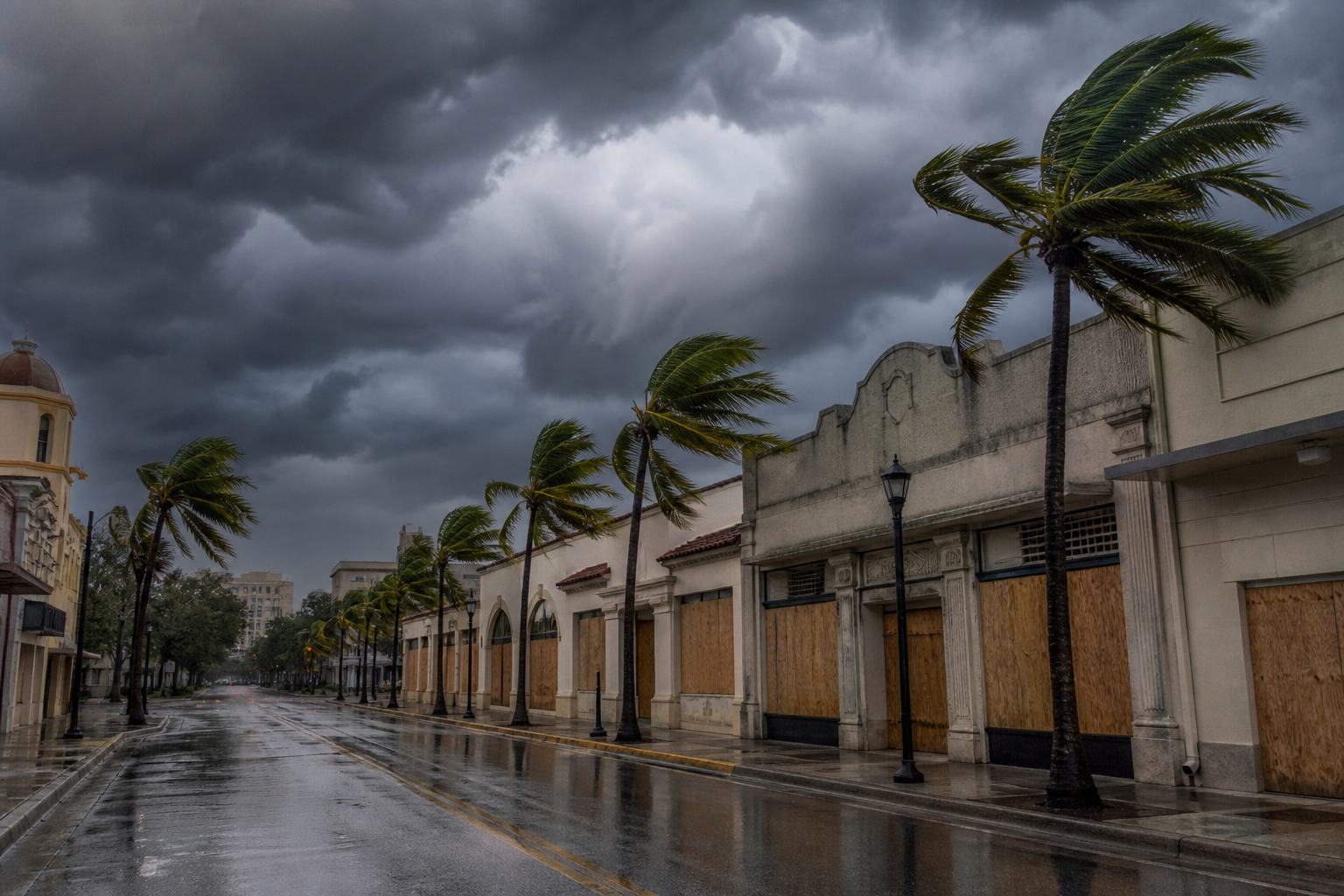
Florida’s exposure to hurricanes and flooding makes protecting mobile equipment a priority. Storms can cause direct damage to tools and machinery, while flooding can lead to costly repairs or replacements. Inland marine insurance helps cover these losses, but understanding environmental factors can also reduce risk.
A recent study found that mangroves reduce storm surge losses to properties by $67.5 million annually in Collier County alone. These natural barriers mitigate flood risks and protect coastal assets. While this study focuses on property, the implications extend to equipment stored or used near vulnerable areas. Preserving and leveraging natural defenses can complement insurance coverage by reducing the likelihood or severity of damage. The full study is accessible at arXiv.
In addition to mangroves, other natural defenses such as wetlands and barrier islands play crucial roles in storm protection. Wetlands act as natural sponges, absorbing excess rainfall and reducing runoff, which can help prevent flooding in nearby areas. Barrier islands, on the other hand, serve as a first line of defense against storm surges, dissipating wave energy before it reaches the mainland. By fostering these ecosystems, communities can enhance their resilience to extreme weather events, ultimately safeguarding both infrastructure and equipment.
Preparing for Storm Season
Businesses should have clear plans for securing mobile equipment ahead of storms. This includes moving tools to safer locations, using protective coverings, and ensuring policies cover storm-related losses. Inland marine insurance often includes coverage for transit and storage, which is critical during emergency moves.
Moreover, proactive measures such as conducting regular risk assessments and maintaining an updated inventory of equipment can significantly improve a business's readiness for storm season. Establishing communication protocols to alert staff about impending storms and ensuring that all team members are trained in emergency procedures can further enhance safety. By integrating these strategies with natural defenses, businesses can create a comprehensive approach to weather risk management that not only protects their assets but also contributes to the overall resilience of the community.
Key Considerations When Choosing Inland Marine Insurance
Selecting the right inland marine insurance policy requires understanding your business’s specific needs and risks. Here are some factors to consider:
Coverage Scope
Check what types of equipment and scenarios are covered. Some policies may exclude certain perils or limit coverage for equipment left unattended. Confirm whether coverage extends to tools in transit, at job sites, or stored off-site. Additionally, consider the nature of your business and the unique risks associated with your industry. For instance, construction companies may need broader coverage for specialized machinery, while art galleries might prioritize protection for valuable artwork during transportation. Understanding these nuances can help tailor your policy to better fit your operational needs.
Policy Limits and Deductibles
Ensure limits are sufficient to replace or repair your most valuable equipment. Deductibles should balance affordability with risk tolerance. Sometimes a higher deductible lowers premiums but increases out-of-pocket costs after a claim. It’s also wise to periodically reassess your policy limits, especially if you acquire new equipment or expand your operations. Regular reviews can help ensure that your coverage keeps pace with your business growth and mitigates the risk of underinsurance, which can lead to significant financial strain in the event of a loss.
Wind and Weather Coverage
Given Florida’s risk profile, verify how wind damage and flooding are treated. Some policies may require endorsements or separate flood insurance. Capacity for wind coverage can be limited, so discussing options with your insurer is essential. Furthermore, consider the geographical areas where your equipment will be used or stored. Understanding local weather patterns and historical data can provide insights into potential risks, allowing you to make informed decisions about the level of coverage needed to safeguard your assets against natural disasters.
Claims Process and Support
Choose insurers with strong reputations for handling claims efficiently. Delays or disputes can disrupt your business operations. Look for companies with local expertise and responsive customer service. It can be beneficial to read reviews or seek recommendations from other businesses in your industry regarding their claims experiences. Additionally, inquire about the claims process itself: how claims are filed, the average processing time, and the availability of support during the claims process. A transparent and supportive claims process can significantly reduce stress and downtime when you need to file a claim, ensuring that your business can quickly return to normal operations.
How Inland Marine Insurance Supports Business Continuity
Mobile equipment is often the backbone of service and construction businesses. When tools or machinery are damaged or stolen, work can grind to a halt. Inland marine insurance helps minimize downtime by covering repair or replacement costs quickly. This type of insurance is particularly crucial in industries where projects are time-sensitive, as even a small delay can lead to significant financial losses and client dissatisfaction. By ensuring that businesses can swiftly recover from unexpected disruptions, inland marine insurance plays a vital role in maintaining operational efficiency.
Beyond financial protection, having this coverage can improve relationships with clients and contractors. It shows professionalism and preparedness, which can be a competitive advantage in Florida’s challenging market. Clients are more likely to trust businesses that demonstrate a commitment to safeguarding their assets, and contractors may prefer to work with insured companies to mitigate their own risks. This trust can lead to more lucrative contracts and long-term partnerships, enhancing a business's reputation in the industry.
Given the recent growth in Florida’s surplus lines market, which reported $1.6 billion in premiums for July 2024—a 21% increase from the previous year—there is clear momentum behind expanding insurance solutions that meet business needs. This growth reflects both market stabilization and increased demand for specialized coverage like inland marine insurance. More on this trend is available at Reinsurance News. As businesses recognize the importance of protecting their mobile assets, the demand for comprehensive inland marine policies is expected to rise, prompting insurers to innovate and offer more tailored solutions.
Practical Steps for Businesses
- Inventory all mobile equipment and tools regularly.
- Consult with insurance professionals to tailor inland marine coverage.
- Review policies annually to adjust for new equipment or changing risks.
- Develop emergency plans for equipment protection during storms.
In addition to these practical steps, businesses should also consider investing in advanced tracking and security systems for their equipment. Technologies such as GPS tracking and remote monitoring can provide real-time insights into the location and condition of mobile assets, reducing the risk of theft and enabling quicker recovery in the event of loss. Furthermore, training employees on best practices for equipment handling and security can foster a culture of responsibility, ensuring that everyone plays a role in protecting valuable resources. By combining insurance coverage with proactive risk management strategies, businesses can create a robust framework for continuity and resilience.
Moreover, understanding the specific risks associated with different types of mobile equipment can help businesses make informed decisions about their insurance needs. For instance, construction machinery may face unique hazards compared to service vehicles, necessitating tailored coverage options. Engaging with industry experts can provide valuable insights into these risks, allowing businesses to better navigate the complexities of inland marine insurance and ensure they are adequately protected against potential losses.
Frequently Asked Questions
Q: What types of equipment does inland marine insurance cover?
A: It covers mobile and movable equipment like construction machinery, tools, and specialized business equipment used off-site or in transit.
Q: Is inland marine insurance necessary if I already have property insurance?
A: Yes. Property insurance typically covers fixed locations, while inland marine protects equipment that moves between sites or is stored temporarily off-site.
Q: Does inland marine insurance cover theft?
A: Most policies include theft coverage, but it’s important to check specific terms and any conditions for unattended equipment.
Q: How does Florida’s weather affect inland marine insurance?
A: Florida’s exposure to hurricanes and flooding increases risk. Some policies may have limited wind coverage, so additional endorsements or flood insurance might be necessary.
Q: Can I insure equipment while it is being transported?
A: Yes. Inland marine insurance is designed to cover equipment during transit, whether by vehicle or other means.
Q: How do legislative changes in Florida impact inland marine insurance?
A: Recent reforms have increased market capacity and attracted new insurers, improving options and stability for inland marine coverage.
Q: What should I do to prepare my equipment for storm season?
A: Secure equipment in safe locations, use protective covers, and ensure your insurance policy covers storm-related losses.
ABOUT THE AUTHOR:
MONTREAL MORAND
With over 20 years of leadership experience in the insurance industry, I’ve dedicated my career to helping clients and agents make informed, confident decisions about their coverage. I’ve led high-performing teams, managed more than $128 million in premium, and earned multiple national awards for excellence. Today, my mission remains the same — to educate, empower, and provide dependable protection for the communities we serve.
Contact Us
Protect the Things That Matter Most
Reliable Coverage for Your Home & Lifestyle
Home Insurance
Protect your home, belongings, and personal liability with reliable coverage.
Stronger Coverage for Your Operations
Essential Protection for Your Company
Coverage built for businesses that depend on people, property, and equipment.
Industries We Support
Insurance for Everyday Local Businesses
Simple, reliable protection for the people who keep our communities running.
Plumbers
Plumbers Insurance
Protection for job-site hazards, tools, and customer property.
Restaurants
Restaurants Insurance
Coverage for fire risks, food inventory, and general liability.
HVAC Contractors
HVAC Contractors Insurance
Insurance for service vehicles, equipment, and installation risks.




Frequently Asked Questions
Helpful Answers to Common Questions
Quick guidance to help you understand your coverage.
What types of insurance does Macpherson Insurance Agency offer?
We provide both personal and commercial insurance solutions. On the personal side: homeowners, automobile, condo, renters, windstorm, flood, excess flood, and more. On the commercial side: general liability, property, inland marine, ocean marine, workers compensation, and more.
Do you specialize in homeowners insurance in South Florida?
Yes. We specialize in homeowners coverage in South Florida and work with multiple carriers based on your property’s age, location and replacement cost.
What does “replacement cost” mean in a policy?
Replacement cost is the cost to rebuild your home to the same standard it had before a loss — not the market value of your property.
Why is it important that my insurer is licensed in Florida?
Licensed Florida insurers are continuously monitored for financial stability — if one fails, the Florida Insurance Guaranty Fund may reimburse insureds for unpaid claims up to a limit.
Can I lower my homeowners premium with discounts?
Yes — mitigation features like impact glass, storm shutters, roof straps, and approved sheathing may qualify you for significant credit reductions.
Do you offer payment plans or premium financing?
Yes. In many cases, payment plans and premium financing are available to make coverage more affordable and manageable over time.
From the Blog
Helpful Tips & Insurance Guidance
Articles created to make insurance easier to understand.





Contact Us
Phone
Location