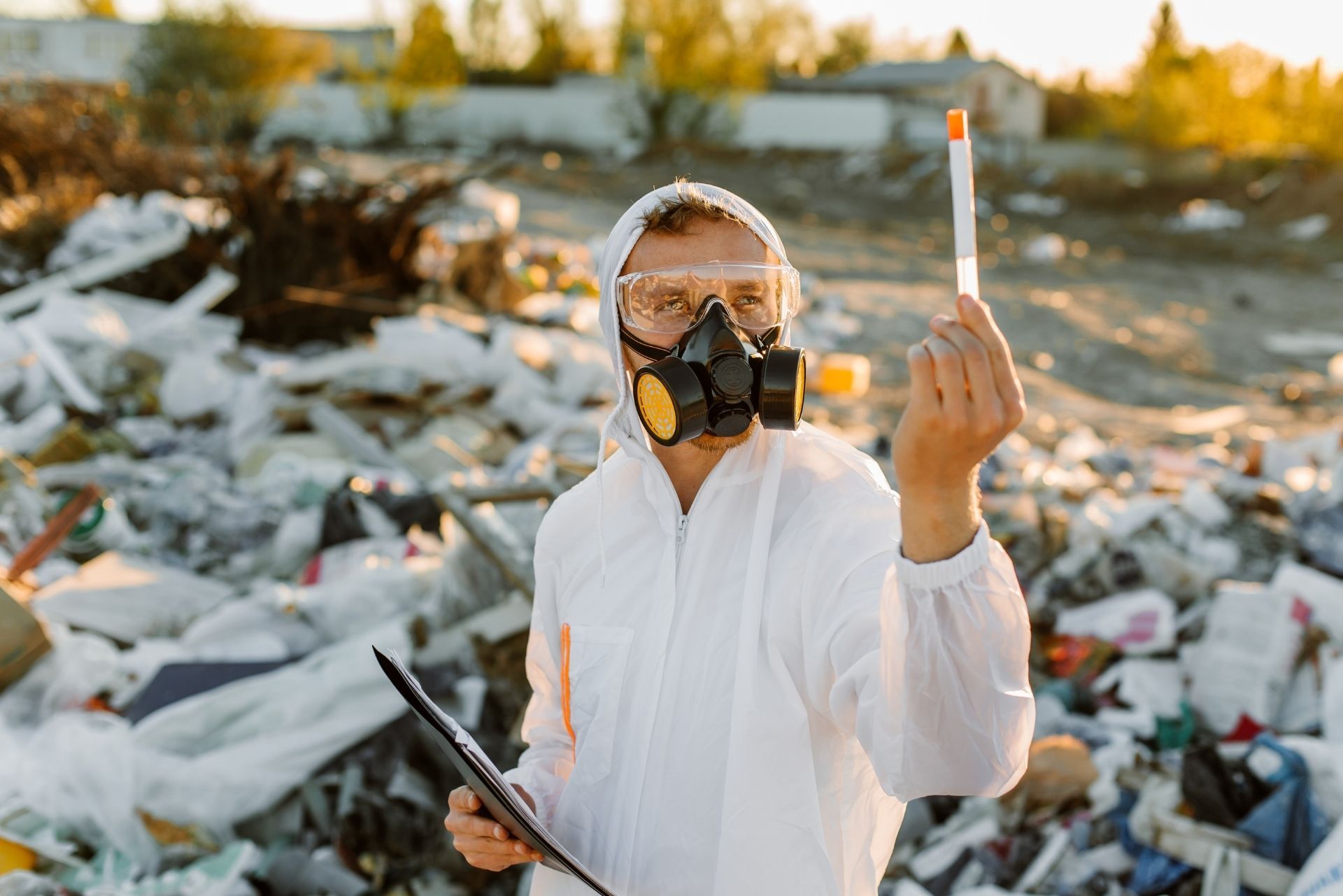
Florida's unique environment faces mounting challenges from pollution and climate-related risks. With rising homeowners insurance premiums and increasing enforcement of environmental regulations, understanding how environmental insurance fits into managing pollution and cleanup risks is more critical than ever. This article breaks down the essentials of environmental insurance in Florida, highlighting why it matters and how it can protect property owners, businesses, and communities.
Why Environmental Insurance Matters in Florida
Florida homeowners and businesses are navigating a landscape where environmental risks are no longer theoretical. Between 2015 and 2023, the state saw the largest increase in homeowners insurance premiums in the country—nearly 60%—driven in part by the growing impacts of severe weather and environmental damage. This steep rise reflects the increasing costs insurers face due to climate-related disasters and pollution-related claims. LexisNexis Risk Solutions highlights this trend, underscoring the financial strain on Floridians.
Pollution incidents, whether from industrial sources, accidental spills, or legacy contamination, can lead to costly cleanup efforts and legal liabilities. Environmental insurance helps bridge the gap by covering expenses that standard policies often exclude. This coverage is particularly vital in Florida, where sensitive ecosystems and dense development increase the stakes.
In addition to financial protection, environmental insurance supports compliance with evolving state regulations. Florida’s Department of Environmental Protection issued over 1,500 environmental citations in 2022 alone, with fines averaging $25,000 per violation. These enforcement actions emphasize the importance of proactive risk management for businesses and property owners alike.
Moreover, the unique geography of Florida, characterized by its extensive coastline, wetlands, and diverse wildlife, makes the state particularly vulnerable to environmental hazards. Rising sea levels and increased storm intensity threaten not only properties but also the delicate balance of local ecosystems. Businesses that invest in environmental insurance can not only safeguard their assets but also contribute to the preservation of Florida's natural beauty, which is crucial for tourism and the overall economy. By mitigating risks associated with environmental damage, these policies encourage responsible stewardship of the land and resources.
Additionally, as public awareness of environmental issues grows, consumers are increasingly favoring businesses that demonstrate a commitment to sustainability and environmental responsibility. Companies that carry environmental insurance can enhance their reputation and build trust with customers, showcasing their dedication to minimizing their ecological footprint. This proactive approach not only protects their bottom line but also aligns with the values of a more environmentally conscious consumer base, ultimately fostering a culture of sustainability in Florida’s vibrant communities.

By: Montreal Morand
Founder & Managing Partner
Macpherson Insurance Agency
Types of Environmental Insurance Coverage Available
Environmental insurance comes in several forms, each designed to address specific pollution and cleanup risks. The most common types include Pollution Legal Liability (PLL), Contractors Pollution Liability (CPL), and Cleanup Cost Cap policies.
Pollution Legal Liability insurance covers third-party claims for bodily injury, property damage, and cleanup costs arising from pollution conditions caused by the insured. This coverage is crucial for property owners who might face liability for contamination discovered on their land, even if they did not cause it. In many cases, the discovery of hazardous materials can lead to significant legal battles, and having this insurance can provide peace of mind as it helps cover the legal fees and settlements that may arise from such claims. Furthermore, as environmental regulations become increasingly stringent, having Pollution Legal Liability can also enhance a property owner’s reputation by demonstrating a commitment to responsible environmental stewardship.
Contractors Pollution Liability insurance is tailored for contractors and construction firms. It protects against pollution incidents caused by work activities, such as accidental releases of hazardous materials during site development or demolition. Given Florida’s ongoing growth and construction, this coverage helps manage risks that could otherwise lead to expensive claims. Additionally, this type of insurance often includes coverage for both on-site and off-site pollution events, which is essential for contractors who may inadvertently cause environmental damage beyond the immediate work area. As the construction industry faces heightened scrutiny regarding environmental impacts, having Contractors Pollution Liability can also serve as a competitive advantage, showcasing a contractor's proactive approach to risk management.
Cleanup Cost Cap policies provide financial certainty by limiting the cost of environmental remediation projects. These policies are often used in redevelopment or brownfield projects where contamination cleanup is part of site preparation. By capping cleanup expenses, property owners can better plan their budgets and reduce financial uncertainty. This type of insurance is particularly beneficial in urban areas where land is scarce and the potential for encountering hidden contaminants is high. Moreover, these policies can facilitate smoother transactions in real estate, as buyers and sellers can negotiate with a clearer understanding of potential remediation costs, thus fostering a more transparent and efficient market. As cities continue to evolve and prioritize sustainable development, Cleanup Cost Cap policies play a vital role in enabling responsible redevelopment while ensuring that financial risks are managed effectively.
Environmental Enforcement Trends and Their Impact
Regulatory enforcement in Florida has seen a modest uptick in recent years. In 2024, anti-pollution enforcement actions rose from 579 to 699, signaling increased scrutiny, though still below historical averages. This trend suggests regulators are refocusing efforts on pollution control, which means businesses and property owners must stay vigilant.
Failing to comply with environmental laws can result in costly citations and fines. For example, the average fine per violation in 2022 was around $25,000. These penalties add up quickly and can severely impact smaller companies or property owners who lack adequate insurance coverage.
Environmental insurance can help mitigate these risks by providing coverage for fines and penalties in certain circumstances, along with legal defense costs. It also encourages better environmental practices by requiring risk assessments and management plans as part of underwriting.
Staying informed about enforcement trends and maintaining proper insurance coverage is a practical way to reduce exposure to unexpected costs and regulatory actions. For more details on enforcement trends, see the Public Employees for Environmental Responsibility report.
Moreover, the increase in enforcement actions may also reflect a broader societal shift towards environmental accountability. Citizens are becoming more aware of environmental issues and are increasingly vocal about their concerns. This heightened awareness can lead to more whistleblower reports and citizen-led initiatives, putting additional pressure on regulators to act. As a result, businesses may find themselves facing not only government scrutiny but also public backlash if they fail to adhere to environmental standards.
In addition to regulatory changes, technological advancements are playing a crucial role in environmental monitoring and compliance. Tools such as satellite imagery and drone surveillance are now being utilized to detect pollution and track environmental violations more effectively. This means that businesses must not only comply with existing regulations but also be proactive in their environmental practices, as the ability to monitor compliance has never been more sophisticated. Companies that embrace these technologies may find themselves at a competitive advantage, showcasing their commitment to sustainability and responsible practices.
Climate Change, Hurricanes, and Insurance Challenges
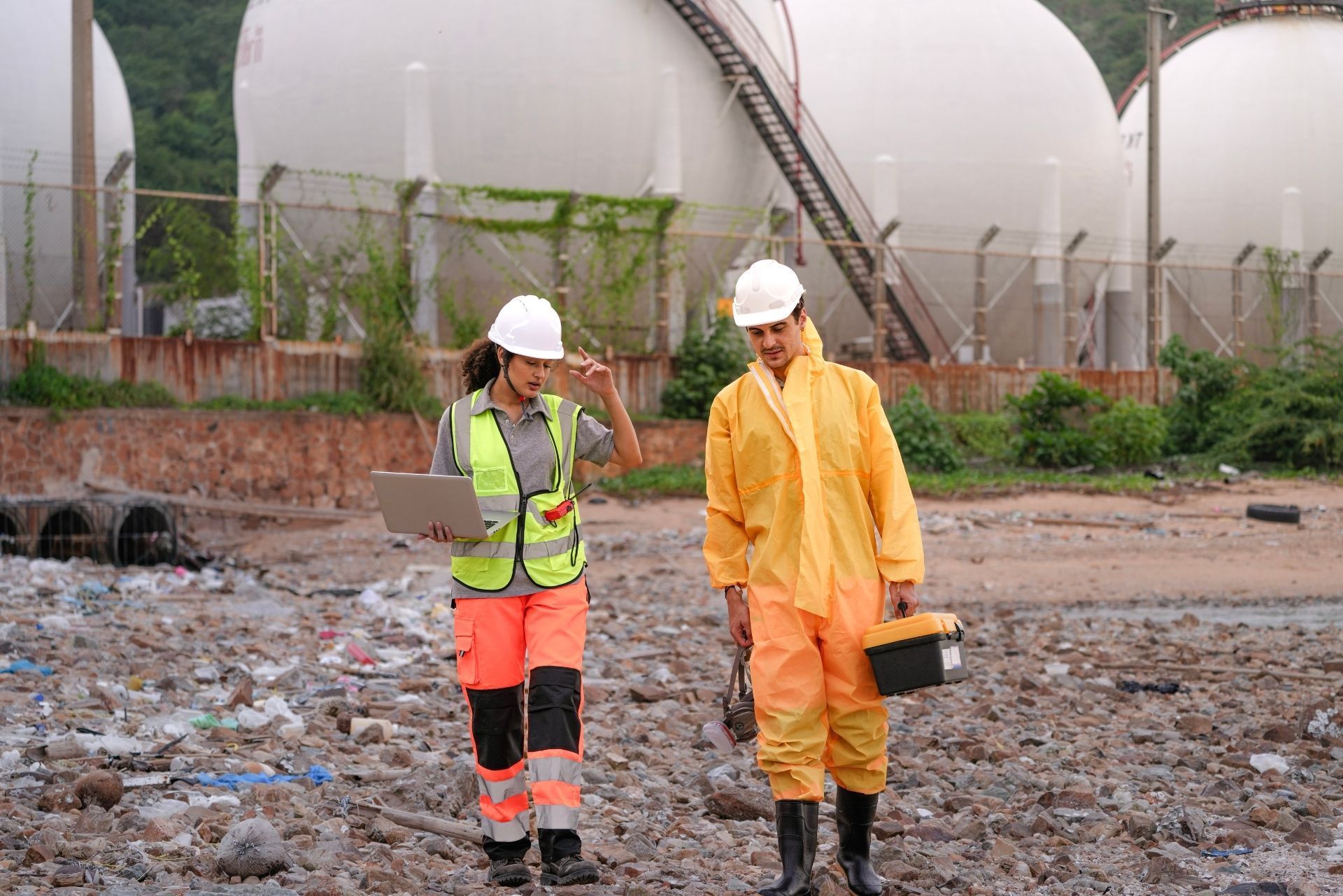
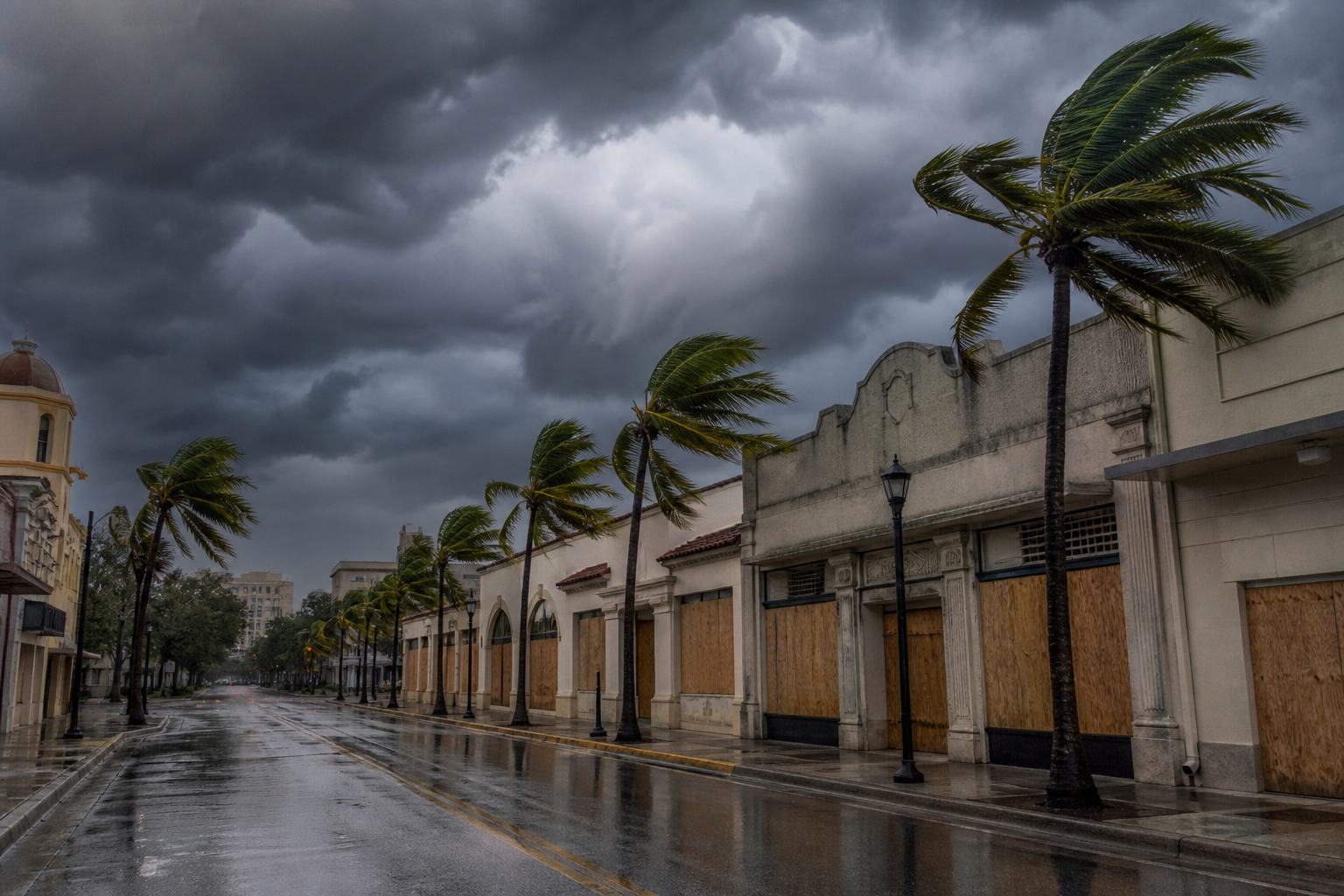
Florida’s climate risks are tightly linked to environmental insurance challenges. Hurricanes and tropical storms cause widespread damage, often leading to pollution incidents such as chemical spills or wastewater overflows. These events increase the complexity and cost of insurance claims.
Experts note that Floridians are increasingly aware of the connection between climate change and the rising costs of hurricanes and insurance premiums. Colin Polsky, Ph.D., from Florida Atlantic University, observes, "Floridians are connecting the dots between climate change and the damaging hurricanes and soaring insurance premiums that they've experienced in recent years." This awareness is driving demand for insurance products that address these evolving risks.
Natural buffers like mangroves also play a critical role in reducing storm surge damage. A study found that mangroves reduce storm surge losses by $67.5 million annually in Collier County alone. Protecting and restoring these ecosystems can lower insurance claims and premiums by mitigating environmental damage. Furthermore, the presence of healthy mangrove forests not only provides a barrier against storms but also supports biodiversity, offering habitat for various marine species and enhancing local fisheries, which are vital to Florida’s economy.
However, current insurance systems often struggle to keep pace with the scale of climate-related risks. Dr. Carolyn Kousky, Acting Chief Economist at Environmental Defense Fund, points out that recent hurricanes have exposed gaps in coverage and risk management. This highlights the need for innovative insurance solutions and stronger environmental protections. As the frequency of severe weather events increases, insurers are being pushed to rethink traditional models, incorporating climate forecasts and resilience planning into their underwriting processes. This shift could lead to more adaptive policies that not only protect property but also encourage sustainable practices among homeowners and businesses alike.
For further insights into the link between climate risks and insurance, visit
Environmental Defense Fund’s report.
Legal Risks and Claims in Florida’s Homeowners Market
Environmental risks do not only affect businesses. Homeowners in Florida face increasing challenges with insurance claims, especially related to storm damage and pollution impacts. Nearly 13% of Florida homeowners whose claims were denied filed lawsuits against their insurance companies in 2024, up from 12.4% in 2022. This trend reflects growing frustration with claim denials and the complexity of proving environmental damage.
These legal disputes can delay recovery and increase costs for homeowners. Environmental insurance can provide an additional layer of protection by covering certain pollution-related damages that standard homeowners policies exclude. Understanding the scope and limitations of coverage is key for property owners looking to safeguard their investments.
Moreover, the rising frequency and intensity of storms in Florida, attributed to climate change, have made it increasingly difficult for homeowners to navigate the insurance landscape. Many are left grappling with the fine print of their policies, which often contain exclusions for certain types of water damage or mold remediation. This has led to a surge in demand for legal expertise as homeowners seek to interpret their rights and obligations under these complex contracts. As a result, many are turning to specialized attorneys who can help them understand the nuances of their coverage and advocate on their behalf in disputes with insurers.
In addition to the immediate financial implications, the emotional toll of prolonged legal battles can be significant. Homeowners often find themselves in a state of uncertainty, worrying not only about their property but also about their financial stability and peace of mind. Communities are increasingly banding together to share resources and information, forming support networks to help each other navigate the claims process. This collective approach not only empowers individuals but also raises awareness about the broader implications of environmental risks in the housing market, prompting discussions about policy reforms and better protections for homeowners.
More details on this litigation trend are available from the
National Association of Insurance Commissioners.
Practical Steps to Manage Pollution and Cleanup Risks
Managing environmental risks in Florida requires a proactive approach. Here are some practical steps property owners and businesses can take:
- Conduct Environmental Assessments: Identify potential contamination sources and pollution risks before purchasing or developing property.
- Invest in Environmental Insurance: Choose policies that fit your specific risk profile, whether for pollution liability, cleanup costs, or contractor-related risks.
- Implement Pollution Prevention Measures: Use best practices to minimize spills, leaks, and emissions during operations.
- Stay Informed on Regulations: Monitor changes in Florida’s environmental laws and enforcement trends to ensure compliance.
- Engage with Environmental Experts: Work with consultants and legal advisors to navigate complex pollution and cleanup issues.
These steps not only reduce the likelihood of costly incidents but also improve eligibility for insurance coverage and potentially lower premiums.
Environmental Insurance Coverage Comparison
| Coverage Type | Who Needs It | What It Covers | Typical Use Cases |
|---|---|---|---|
| Pollution Legal Liability (PLL) | Property owners, landlords | Third-party claims, cleanup costs, legal defense | Contaminated land, legacy pollution |
| Contractors Pollution Liability (CPL) | Construction firms, contractors | Pollution caused by work activities, cleanup, claims | Site development, demolition projects |
| Cleanup Cost Cap | Developers, brownfield redevelopers | Limits on remediation expenses | Environmental remediation projects |
What to Remember About Florida Environmental Insurance
Florida’s environmental risks are intensifying, driven by climate change, development pressures, and regulatory shifts. Environmental insurance offers a way to manage these risks, providing financial protection against pollution liabilities and cleanup costs that standard policies exclude.
With homeowners insurance premiums rising sharply and enforcement actions increasing, securing the right coverage is no longer optional for many Floridians. Understanding the types of environmental insurance and how they apply to your situation is essential for protecting your property and business.
By staying informed and taking proactive steps, property owners and businesses can navigate Florida’s complex environmental landscape with greater confidence and security.
Frequently Asked Questions
Q: What does environmental insurance cover in Florida?
A: It covers pollution-related liabilities, cleanup costs, third-party claims, and sometimes legal defense related to environmental damage.
Q: Why are Florida homeowners insurance premiums rising so fast?
A: Increasing climate-related disasters and environmental damage have raised the risk and cost for insurers, leading to higher premiums.
Q: Can environmental insurance help with regulatory fines?
A: Some policies cover fines and penalties related to pollution violations, but coverage depends on the specific policy and circumstances.
Q: How do mangroves help reduce insurance claims?
A: Mangroves act as natural barriers that reduce storm surge damage, lowering property losses and insurance claims in coastal areas.
Q: Who should consider Contractors Pollution Liability insurance?
Contractors and construction firms working on sites where pollution risks exist should consider CPL to protect against accidental contamination during work.
Q: What should I do if my environmental insurance claim is denied?
Review your policy carefully and consider consulting an environmental insurance expert or attorney to explore your options, including possible legal action.
ABOUT THE AUTHOR:
MONTREAL MORAND
With over 20 years of leadership experience in the insurance industry, I’ve dedicated my career to helping clients and agents make informed, confident decisions about their coverage. I’ve led high-performing teams, managed more than $128 million in premium, and earned multiple national awards for excellence. Today, my mission remains the same — to educate, empower, and provide dependable protection for the communities we serve.
Contact Us
Protect the Things That Matter Most
Reliable Coverage for Your Home & Lifestyle
Home Insurance
Protect your home, belongings, and personal liability with reliable coverage.
Stronger Coverage for Your Operations
Essential Protection for Your Company
Coverage built for businesses that depend on people, property, and equipment.
Industries We Support
Insurance for Everyday Local Businesses
Simple, reliable protection for the people who keep our communities running.
Plumbers
Plumbers Insurance
Protection for job-site hazards, tools, and customer property.
Restaurants
Restaurants Insurance
Coverage for fire risks, food inventory, and general liability.
HVAC Contractors
HVAC Contractors Insurance
Insurance for service vehicles, equipment, and installation risks.




Frequently Asked Questions
Helpful Answers to Common Questions
Quick guidance to help you understand your coverage.
What types of insurance does Macpherson Insurance Agency offer?
We provide both personal and commercial insurance solutions. On the personal side: homeowners, automobile, condo, renters, windstorm, flood, excess flood, and more. On the commercial side: general liability, property, inland marine, ocean marine, workers compensation, and more.
Do you specialize in homeowners insurance in South Florida?
Yes. We specialize in homeowners coverage in South Florida and work with multiple carriers based on your property’s age, location and replacement cost.
What does “replacement cost” mean in a policy?
Replacement cost is the cost to rebuild your home to the same standard it had before a loss — not the market value of your property.
Why is it important that my insurer is licensed in Florida?
Licensed Florida insurers are continuously monitored for financial stability — if one fails, the Florida Insurance Guaranty Fund may reimburse insureds for unpaid claims up to a limit.
Can I lower my homeowners premium with discounts?
Yes — mitigation features like impact glass, storm shutters, roof straps, and approved sheathing may qualify you for significant credit reductions.
Do you offer payment plans or premium financing?
Yes. In many cases, payment plans and premium financing are available to make coverage more affordable and manageable over time.
From the Blog
Helpful Tips & Insurance Guidance
Articles created to make insurance easier to understand.









Contact Us
Phone
Location