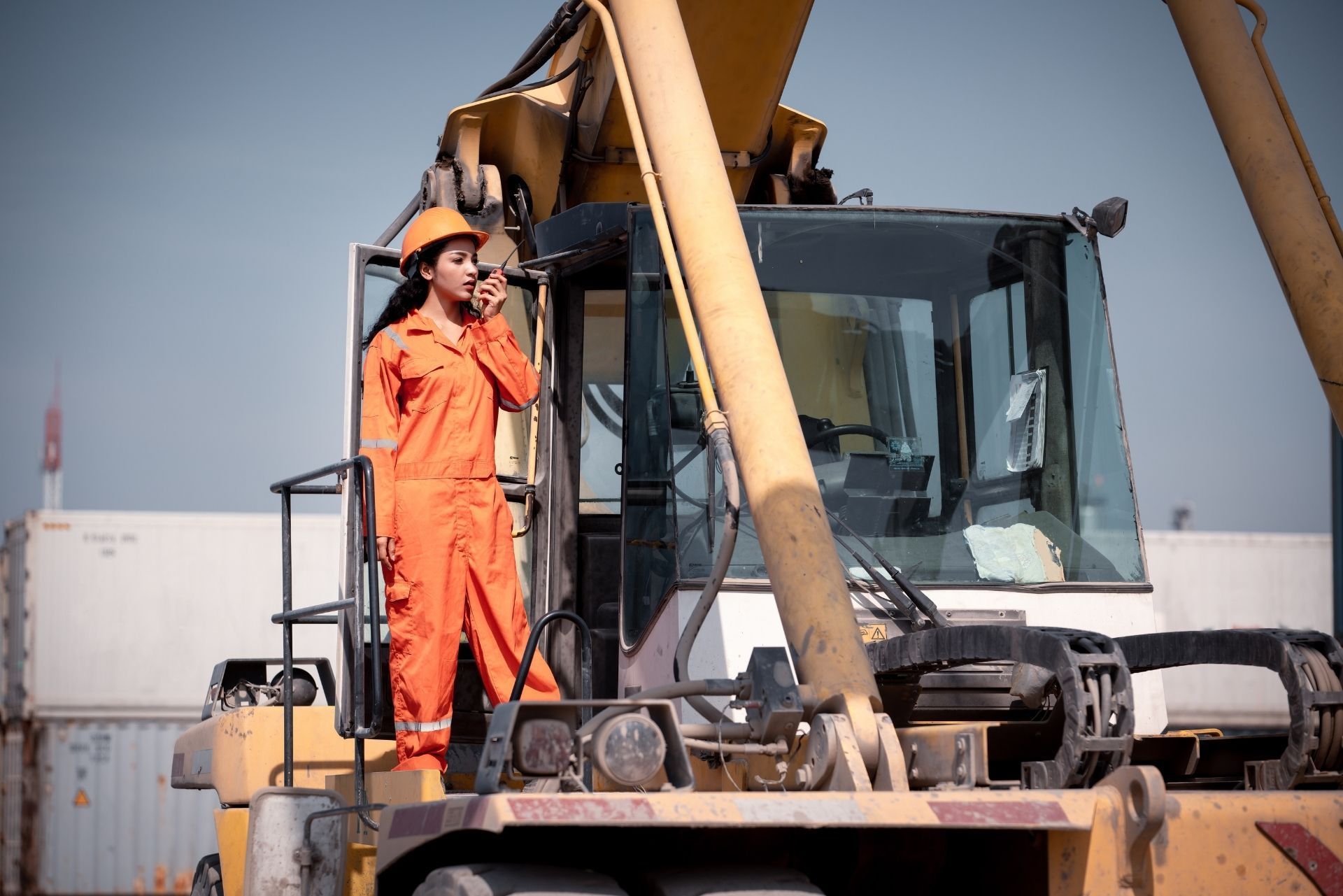
A single misjudged lift on a tight Florida infill site can topple a crane, shut down a project, and trigger claims that run higher than the crane’s value. In a state where construction is constant and job sites crowd busy roads, the margin for error is narrow. Florida recorded 306 fatal work injuries in 2023, with transportation incidents and falls making up more than half of those deaths, according to the U.S. Bureau of Labor Statistics. Cranes and heavy equipment move people and loads right through those risk zones.
Insurance is not just a contract requirement for crane and equipment operators on Florida job sites. It is a survival tool for the business itself. The right program keeps a catastrophic claim from wiping out years of work, and it often determines whether an operator is even allowed on a modern commercial site.
This guide walks through how risk really shows up for cranes and heavy equipment in Florida, what coverage pieces matter, and how contractors and independent operators can stay both protected and insurable as the market tightens.
Why Cranes And Heavy Equipment Are High Risk On Florida Sites
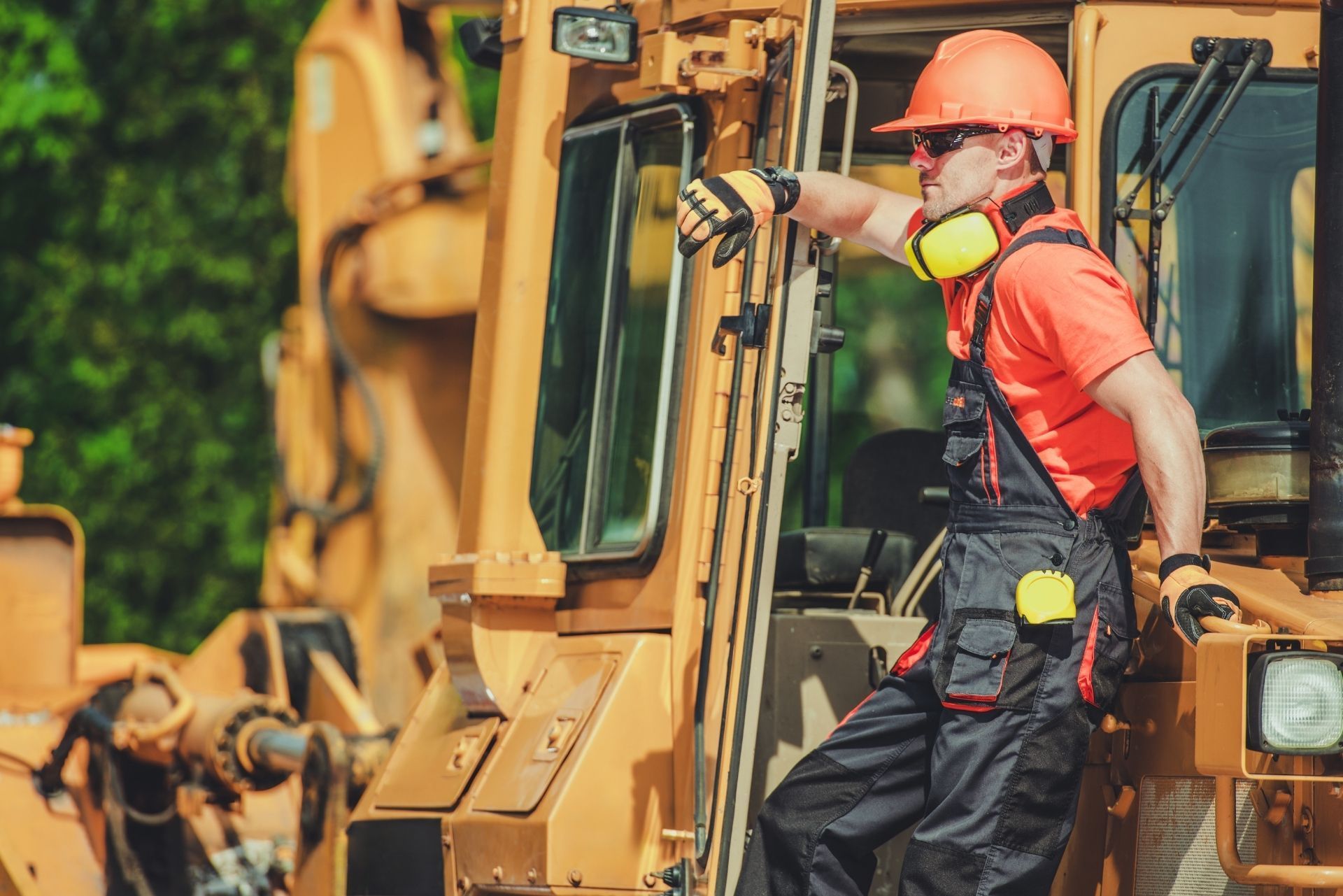
Cranes and heavy machines change the risk profile of any project the second they roll onto the job. They lift over roads, work near energized lines, navigate sandy or rain soaked soil, and operate in tight proximity to workers on foot. Nationally, a large share of crane accidents trace back to how the machine is set up and run. Roughly half of crane accidents are linked to improper setup or operation, and about six out of ten are attributed to operator error, according to data compiled by Gitnux crane accident statistics. For insurers, that is a clear sign that human factors drive many of the largest losses.
Florida adds its own complications. Soft ground, sudden storms, and strong coastal winds can turn a routine pick into a high hazard lift. Busy urban corridors leave little room for swing radius or staging, while rural infrastructure work often puts cranes and dump trucks inches away from live traffic. When things go wrong with a crane, the scale of damage can be enormous compared with most other tools on site.
How heavy equipment drives severe losses
Insurers pay attention to frequency and severity. Forklifts, loaders, excavators, and haul trucks may not grab headlines as often as tower cranes, but they cause a steady flow of serious incidents. Blind spots, reversing movements, and interactions with pedestrians are constant problem areas. One bad moment can involve multiple workers, a public roadway, and expensive underground utilities, all in a single claim file.
Because so many losses link back to operation rather than pure mechanical failure, underwriters look closely at training, supervision, and job site controls. That focus shows up directly in whether a Florida operator can get coverage, what limits are available, and how high the deductible sits.
By: Montreal Morand
Founder & Managing Partner
Macpherson Insurance Agency
The Insurance Protection Crane And Equipment Operators Actually Need
Contractors sometimes think of crane and equipment insurance as one policy, but the protection usually comes from a stack of different coverages. Some respond when a crane damages a structure. Others step in if a worker is injured, a member of the public sues, or a machine is stolen from a laydown yard. Getting these pieces coordinated is just as important as the limits themselves.
Most crane and heavy equipment operators in Florida rely on a mix of commercial general liability, commercial auto, workers compensation, inland marine or equipment floater coverage, and often an umbrella or excess liability layer. Depending on the work, pollution liability and professional liability can also play a role, especially when lifts involve environmental hazards or engineered lift planning.
Core policies for cranes and heavy machinery
Commercial general liability normally responds to bodily injury or property damage claims arising from operations, like a crane dropping a load onto a neighboring property. Commercial auto steps in for claims involving boom trucks, dump trucks, and other vehicles on public roads. Equipment floater or inland marine coverage protects the machines themselves, whether they are owned, leased, or rented from others, including damage in transit between job sites.
Workers compensation covers injuries to employees, which is critical given the physical nature of crane and equipment work. An umbrella policy can add another layer of protection above these core policies. That extra limit can be the difference between a manageable loss and a business ending judgment after a severe accident.
Florida Market Realities: Shrinking Carrier Appetite And Rising Standards
The crane insurance market has been tightening across the country, and Florida operators feel that pressure even more. Several major insurers have pulled back from crane risks, and those still in the space often quote higher premiums, stricter terms, or both. Industry reports point out that the crane insurance market is experiencing a sharp contraction, with carriers exiting and remaining insurers applying steep increases to the accounts they keep, as detailed by Insurance Business America’s coverage of crane insurance. When fewer carriers are willing to write the risk, every underwriting detail starts to matter more.
At the same time, contractors across the country are chasing a limited pool of qualified workers. As of March 2024, there were 274,000 open jobs in construction, according to a construction risk report from QBE Insurance. That gap between open positions and available talent makes it harder to find experienced crane operators and mechanics, which in turn worries insurers who already see operator error as a major loss driver.
Why underwriters scrutinize Florida crane and equipment risks
From an underwriter’s perspective, Florida combines busy urban development, major infrastructure work, hurricane exposure, and heavy traffic. That mix increases both the probability and the potential size of loss. Every detail, from operator credentials to rigging procedures, can tilt the decision between a quote with workable terms and a declination letter.
Megan Rose, who leads a specialist insurance brokerage serving crane operators, summed up the challenge by noting that many carriers are leaving this line of business, making it harder to find companies willing to insure crane accounts at all, according to reporting in Insurance Business America’s crane market analysis. For Florida operators, this reality means insurance is no longer just about shopping for the lowest price. It is about presenting a risk story that insurers can accept.
Key Coverage Details For Cranes, Trucks, And Heavy Machinery
For many Florida operators, the difference between a routine claim and a financial shock comes down to fine print. The type of work, the crane configuration, and whether the crew is working under bare rental or operated rental arrangements can all change which policy responds. Understanding a few key coverage questions can prevent painful gaps.
One critical area is how specific equipment is scheduled. Larger cranes and specialized machines are often listed individually on equipment floater policies with agreed values, while smaller items may be covered under blanket limits. Insurers sometimes impose sublimits or exclusions for boom collapses, overloading, or operation near water. Those terms matter on Florida bridge, port, and coastal jobs where cranes may work over barges or soft tidal ground.
Crane and heavy equipment insurance at a glance
The table below outlines how different policies usually apply to crane and heavy equipment exposures on Florida job sites. Exact terms vary by carrier, so treat this as a framework to review with a knowledgeable insurance advisor rather than a replacement for policy language.
| Coverage Type | What It Typically Protects | Florida Crane and Equipment Example |
|---|---|---|
| Commercial General Liability | Bodily injury and property damage to others caused by your operations | A mobile crane swings a load over a sidewalk and debris injures a pedestrian |
| Commercial Auto | Liability and physical damage for trucks and vehicles on public roads | A boom truck rear ends a car while traveling between Tampa job sites |
| Equipment Floater / Inland Marine | Physical loss or damage to owned and sometimes leased machinery | Storm winds damage a crawler crane parked at a coastal project laydown yard |
| Rented and Leased Equipment | Responsibility for equipment you do not own but are using under contract | A rented excavator rolls into a drainage canal and needs recovery and repair |
| Workers Compensation | Medical costs and lost wages for injured employees | A rigger is hurt while hooking loads during a tilt wall panel lift |
| Umbrella / Excess Liability | Additional limits above primary liability policies | A crane overturns onto a neighboring building, with damages far exceeding primary limits |
Operators also need to pay attention to contractual risk transfer. Many Florida general contractors and project owners require specific language in certificates of insurance, including primary and noncontributory wording, waiver of subrogation clauses, and additional insured status for ongoing and completed operations. Those details should match both contract requirements and what the policy actually allows.
Risk Control Strategies That Keep You Insurable
As carriers tighten their appetite, safety and risk control are no longer side topics. They sit at the center of whether crane and equipment operators can get and keep coverage. The data on crane incidents reinforces this point. Analysis of crane accidents highlights that a large share stem from improper setup or operation, with about six out of ten tied to operator error, as shown by Gitnux compiled crane accident data. Insurers know that better training and site controls directly reduce these preventable losses.
Insurers and risk engineers pay attention to formal lift planning, job hazard analysis, and communication protocols. Pre lift meetings, detailed rigging plans, and documented ground bearing calculations often make the difference between a high hazard lift that goes smoothly and one that ends in a claim. For Florida operators, wind monitoring and storm procedures are especially critical given fast changing weather.
How safety programs influence coverage options
Dale Daul, a risk control consultant in the construction industry, has noted that from a loss control point of view, the crane is typically the most dangerous piece of equipment on a job site, according to comments reported by Business Insurance’s discussion of crane operator error. When the most dangerous machine on site is also central to the project schedule, insurers want proof that it is being managed carefully.
That proof can include formal operator evaluations, regular recertification, documented maintenance and inspection logs, and the use of technology like cameras, proximity alarms, and telematics. Florida operators who can show a clean loss history paired with a disciplined safety culture stand out to underwriters who see many accounts with similar equipment but very different risk management habits.
Working With An Insurance Specialist In Florida
Given the complexity and the shrinking number of willing carriers, crane and heavy equipment operators in Florida rarely benefit from treating insurance as a quick commodity purchase. A broker or agent who understands crane operations, rigging exposures, and Florida legal requirements can often find options that a generalist cannot. That includes matching operators with carriers that understand bare rental versus operated rental models, or that are comfortable with specific classes of work like bridge setting or industrial plant lifts.
A good specialist will spend time gathering details that underwriters care about: operator experience and training, types of cranes and machines in the fleet, typical lift loads, geographic range of operations, subcontractor controls, and prior loss history. That information helps tell a more complete story than a basic application, which is especially important when dealing with carriers that have limited room left in their crane portfolios.
Preparing your account for underwriting review
Florida operators can improve their odds of favorable terms by preparing underwriting materials well before renewal. That might include updated equipment schedules, sample lift plans, copies of operator certifications, and a summary of recent safety initiatives. When underwriters see that level of organization, they are more likely to view the account as a serious, professionally managed operation.
Clear documentation also helps resolve certificate of insurance demands from general contractors and project owners. If the contracts team, safety team, and insurance advisor coordinate early, the operator is less likely to be caught between a job requirement and a policy restriction halfway through a project.
Frequently Asked Questions About Crane And Heavy Equipment Operator Insurance
Crane and equipment insurance questions often come up right as a big project is about to start. The answers below address common concerns that Florida operators raise when bidding or mobilizing for work.
Why is crane insurance harder to get than other contractor coverage?
Crane accidents tend to create very large claims, especially when they involve public roads, nearby buildings, or multiple injured people. Industry reporting notes that many insurers have stepped back from this class of business, which has led remaining carriers to raise prices and tighten terms, as highlighted in Insurance Business America’s review of the crane insurance market.
What certifications do Florida crane operators need for insurance?
Insurers usually expect crane operators on commercial projects to hold recognized third party certifications, and some major contractors and carriers now treat NCCCO certification as a non negotiable requirement for operators on job sites, as described by The Crane School’s overview of Florida’s crane outlook. Meeting or exceeding those standards can help an operator qualify for better terms and access more job opportunities.
Does general liability cover damage to the crane itself?
No. General liability is designed to cover damage you cause to others, not damage to your own equipment. Protection for the crane or machine itself usually comes from an equipment floater or inland marine policy, sometimes with specific scheduling for larger units.
Why do contracts require high limits for crane work?
Project owners and general contractors know that crane and heavy equipment incidents can lead to very large property and injury claims. Higher liability limits give them more confidence that serious accidents will be funded by insurance rather than turning into disputes about who will pay.
How can a small crane or equipment operator stand out to underwriters?
Even a small operation can present itself as a high quality risk by maintaining strong safety documentation, clean inspection and maintenance records, clear operator training files, and a history of responding proactively to near misses. Sharing that information with an insurance specialist who knows the crane market can make a significant difference in how insurers view the account.
What should Florida operators review before signing a crane rental or subcontract?
Operators should understand who is responsible for the crane, the operator, the rigging, and the load at each stage of the work. That means reading indemnity clauses, insurance requirements, and any language that shifts risk for setup, operation, or dismantling, then confirming that their policies actually support those obligations.
What to remember before your next Florida job
Crane and heavy equipment operators in Florida work in an environment where one mistake can ripple through lives, businesses, and entire projects. With fewer insurers willing to take on those risks, the combination of solid safety practices, precise contract review, and carefully structured insurance protection has become essential rather than optional. By treating insurance as part of the operational plan from the first bid through the final demobilization, Florida operators give themselves the best chance to stay safe, keep work moving, and remain insurable over the long haul.
ABOUT THE AUTHOR:
MONTREAL MORAND
With over 20 years of leadership experience in the insurance industry, I’ve dedicated my career to helping clients and agents make informed, confident decisions about their coverage. I’ve led high-performing teams, managed more than $128 million in premium, and earned multiple national awards for excellence. Today, my mission remains the same — to educate, empower, and provide dependable protection for the communities we serve.
Contact Us
Protect the Things That Matter Most
Reliable Coverage for Your Home & Lifestyle
Home Insurance
Protect your home, belongings, and personal liability with reliable coverage.
Stronger Coverage for Your Operations
Essential Protection for Your Company
Coverage built for businesses that depend on people, property, and equipment.
Industries We Support
Insurance for Everyday Local Businesses
Simple, reliable protection for the people who keep our communities running.
Plumbers
Plumbers Insurance
Protection for job-site hazards, tools, and customer property.
Restaurants
Restaurants Insurance
Coverage for fire risks, food inventory, and general liability.
HVAC Contractors
HVAC Contractors Insurance
Insurance for service vehicles, equipment, and installation risks.




Frequently Asked Questions
Helpful Answers to Common Questions
Quick guidance to help you understand your coverage.
What types of insurance does Macpherson Insurance Agency offer?
We provide both personal and commercial insurance solutions. On the personal side: homeowners, automobile, condo, renters, windstorm, flood, excess flood, and more. On the commercial side: general liability, property, inland marine, ocean marine, workers compensation, and more.
Do you specialize in homeowners insurance in South Florida?
Yes. We specialize in homeowners coverage in South Florida and work with multiple carriers based on your property’s age, location and replacement cost.
What does “replacement cost” mean in a policy?
Replacement cost is the cost to rebuild your home to the same standard it had before a loss — not the market value of your property.
Why is it important that my insurer is licensed in Florida?
Licensed Florida insurers are continuously monitored for financial stability — if one fails, the Florida Insurance Guaranty Fund may reimburse insureds for unpaid claims up to a limit.
Can I lower my homeowners premium with discounts?
Yes — mitigation features like impact glass, storm shutters, roof straps, and approved sheathing may qualify you for significant credit reductions.
Do you offer payment plans or premium financing?
Yes. In many cases, payment plans and premium financing are available to make coverage more affordable and manageable over time.
From the Blog
Helpful Tips & Insurance Guidance
Articles created to make insurance easier to understand.




Contact Us
Phone
Location