See How We're Different
or call us: 305-669-5288
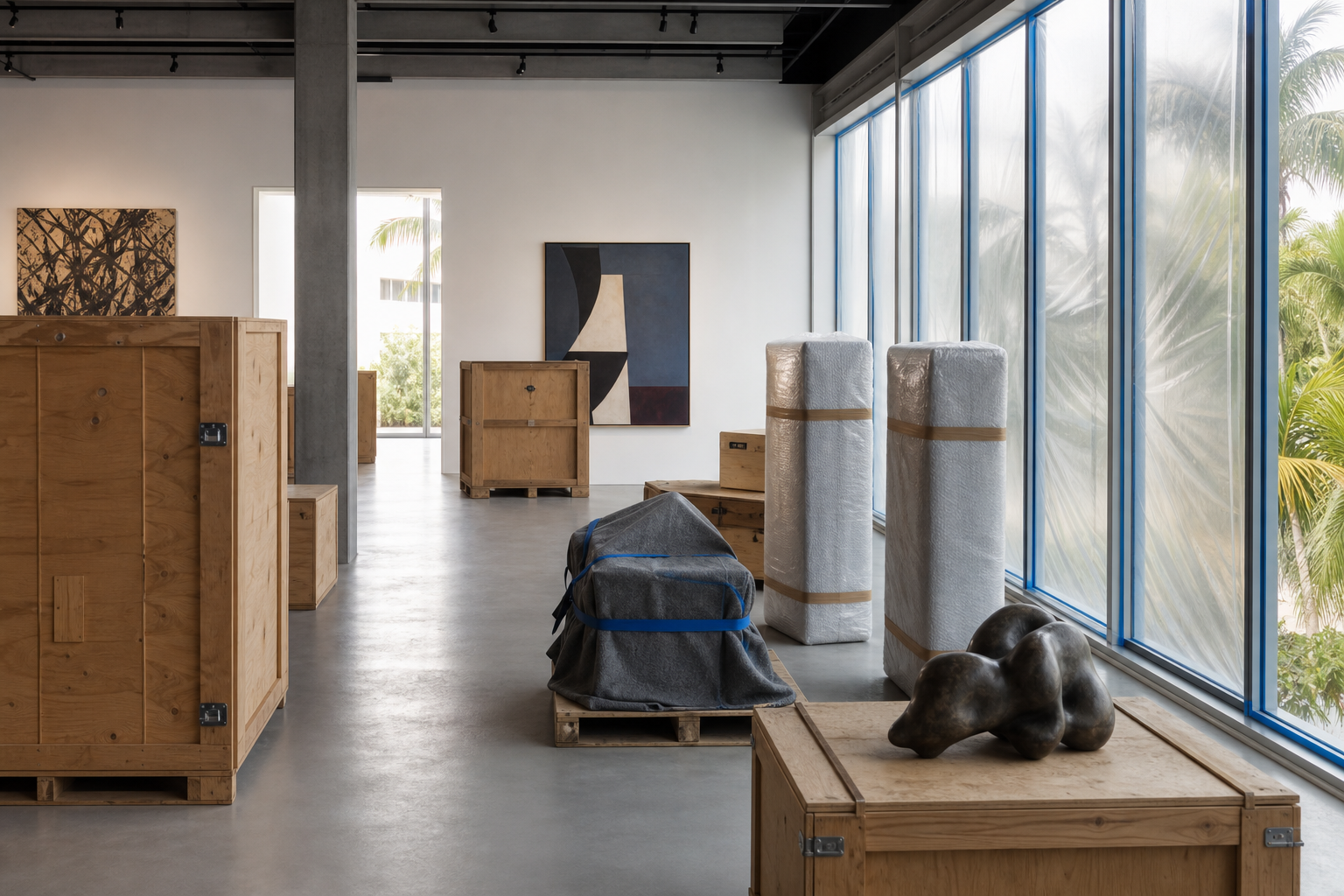
A Wynwood gallery can put a full show on a ground-floor slab, roll-up door and all. A Design District space can hold loaned work behind glass. Hurricane season treats both the same way. Miami museum hurricane insurance is less a question about the building than about how the collection moves once a storm gets a name.
Named-storm terms, flood versus wind, off-site storage, and evacuation plans are four separate answers. Policies rarely put them on the same page.
The federal hook is a task force, not a policy
The Heritage Emergency National Task Force is co-sponsored by FEMA and the Smithsonian Institution. It protects cultural and historic resources in states, tribes, territories, and local communities from the damaging effects of disasters, and it assists museums and other cultural institutions when collections are damaged.
Membership runs to more than 60 culture- and emergency management-related national service organizations and federal agencies. HENTF also runs annual Heritage Emergency and Response Training, or HEART, hosted by the Smithsonian Cultural Rescue Initiative, on protecting, evacuating, and salvaging collections.
When a major disaster is declared, HENTF directs private nonprofit cultural institutions to the FEMA Public Assistance Grant Program. That is response and recovery support. It is not a substitute for commercial museum insurance, and it does not change the named-storm terms printed on a policy.
What Miami museum hurricane insurance should be reviewed for
Start with the named-storm deductible. It is usually a separate trigger from the deductible that applies to everything else. The review questions are structural: what turns it on, what property it applies to, and how it behaves if a second named storm arrives the same season. This article will not quote dollar amounts or percentages. Those belong on a declarations page, read with an agent.
Then separate flood from wind. Ground-floor Wynwood spaces and Design District storefronts face both, and they are not the same coverage conversation.
Then ask where the art actually goes. Off-site storage, crated transit, and a temporary home during an evacuation each raise a location question. A form written around one address may not follow a crate to a warehouse. Loaned works add another layer, because a lender's agreement can state terms your own policy does not match.
Finally, put the evacuation plan next to the policy. If work moves at a certain forecast point, coverage should not stop at the loading dock.
Get a free insurance review in Coral Gables
Bring the collection schedule, storage and transit arrangements, loan agreements, and the declarations page. Macpherson Insurance Agency will walk through named-storm terms, flood and wind, and how the collection moves. It is not a price quote and it is not a binder.
Call 305-669-5288, email info@macphersonagency.com, or visit 1390 S. Dixie Hwy, Suite 1209, Coral Gables, FL 33146. Start at https://www.macphersonagency.com.
This article is for education only. It is not a substitute for advice from a licensed insurance agent, and it is not legal, medical, or binding coverage advice.